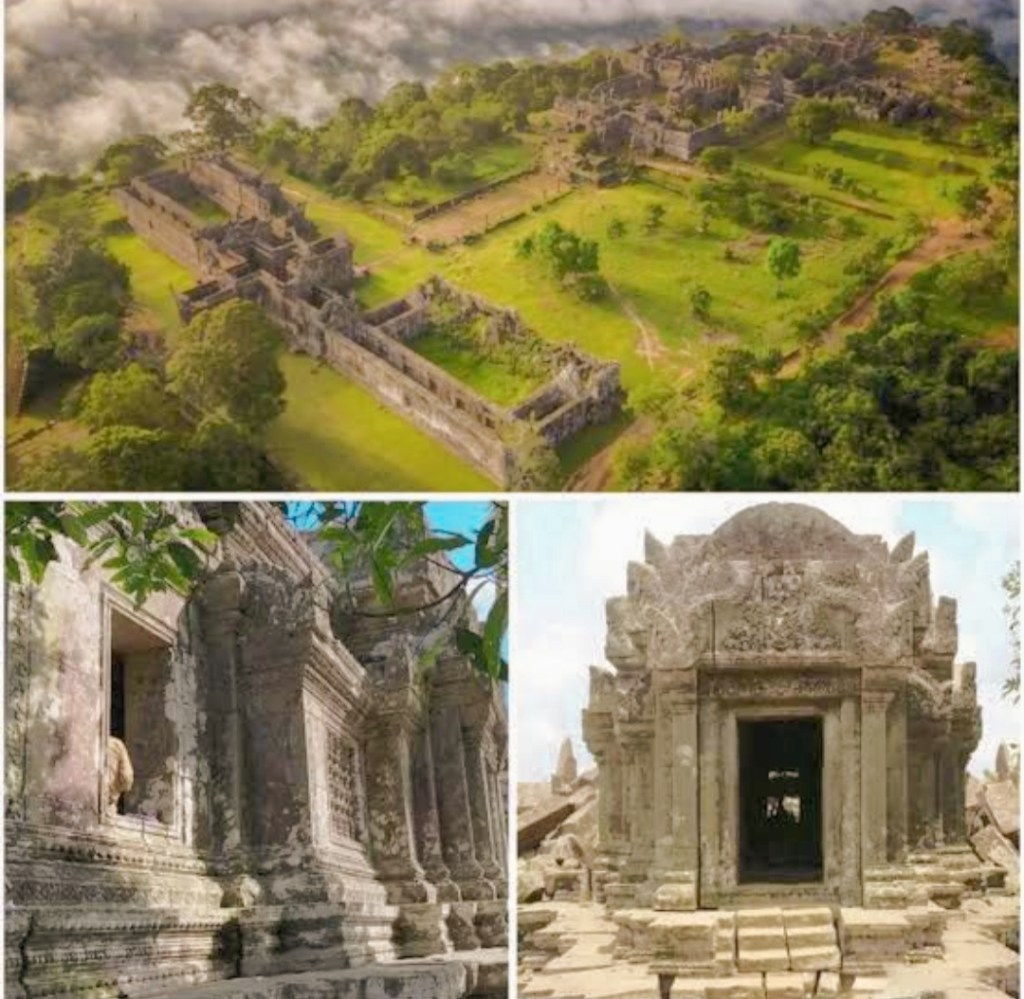
In the age of AI and airstrikes, a 9th-century shrine becomes Southeast Asia’s powder keg — where ancient pride, colonial lines, and social media outrage collide with modern-day militarism.
In a world obsessed with oil pipelines, artificial intelligence, and global power plays, it almost seems absurd — almost — that two sovereign nations are dancing dangerously close to war over a stone temple built over a thousand years ago. But that is the hauntingly real theatre unfolding between Thailand and Cambodia. Welcome to the most surreal standoff of the decade — a geopolitical showdown featuring ancient carvings, modern combat jets, Facebook diplomacy, and post-colonial resentment wrapped in nationalist fervour.
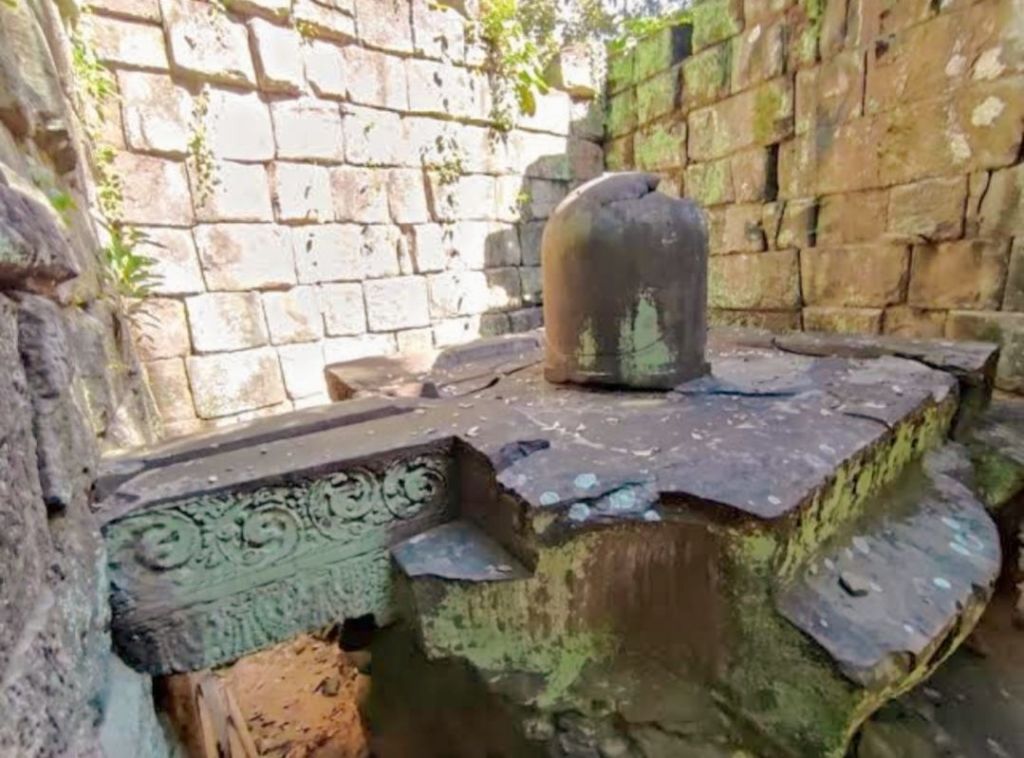
At the centre of this drama is Preah Vihear, a majestic 9th-century Hindu temple dedicated to Lord Shiva, perched dramatically atop a cliff in the Dangrek Mountains, right on the Thai-Cambodian border. A UNESCO World Heritage Site since 2008, Preah Vihear is no longer just a place of spiritual reverence. It has become a geopolitical flashpoint, a nationalistic lightning rod, and possibly, the reason two Southeast Asian countries could slip into armed conflict.
The roots of this bizarre conflict date back to 1907 when French colonial surveyors — in their typically arbitrary fashion — drew a border that handed the temple to Cambodia. Thailand, formerly Siam, was never fully on board, especially given the temple’s easier access from the Thai side. The International Court of Justice tried to put the matter to rest in 1962 by awarding ownership to Cambodia, but it left the surrounding 4.6 square kilometre area undefined. That cartographic ambiguity continues to simmer like a volcano under diplomatic smiles.
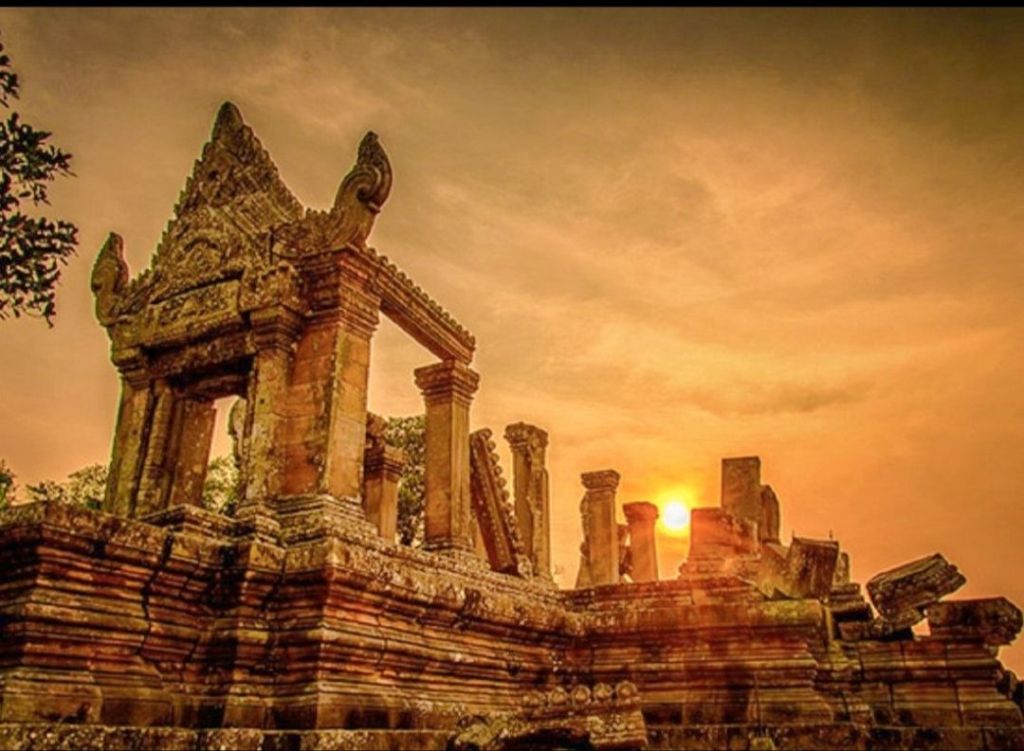
What makes this ancient dispute uniquely 21st-century is its bizarre digital manifestation. Modern military escalations have been broadcast live on social media. Cambodian Prime Minister Hun Sen posts war-zone selfies. Thai air force jets have reportedly bombed Cambodian positions. Cambodia has retaliated with Soviet-era BM-21 rocket launchers. And all this while Facebook and X (Twitter) flood with hashtags and TikTok videos dissect troop movements.

But the real fuel to this fire isn’t stone or soil — it’s identity. UNESCO’s recognition of Preah Vihear under Cambodia’s banner outraged many Thais who feel deeply connected to the temple’s architecture and history. To them, it’s not just heritage, it’s soul. Cambodia, on the other hand, sees Thailand’s cultural replication efforts — like building Thai-style Angkor lookalikes — as a brazen theft. What should be a shared history is now a cultural tug-of-war, soaked in pride, politics, and tourism money.
And the tension has now seeped deep into domestic politics. In a bid to defuse the crisis, Thai politician Paetongtarn Shinawatra called Cambodia’s PM Hun Manet, even referring to him affectionately as “Uncle.” The move backfired spectacularly. Cambodia’s side made the call public, sparking political chaos in Thailand. Paetongtarn was suspended by the Constitutional Court for “unethical conduct.” Her father, ex-PM Thaksin Shinawatra, remains embroiled in Thailand’s politically weaponized legal system. A phone call meant to promote peace instead exposed the fracture lines of Thai politics and its ever-tense civil-military equation.
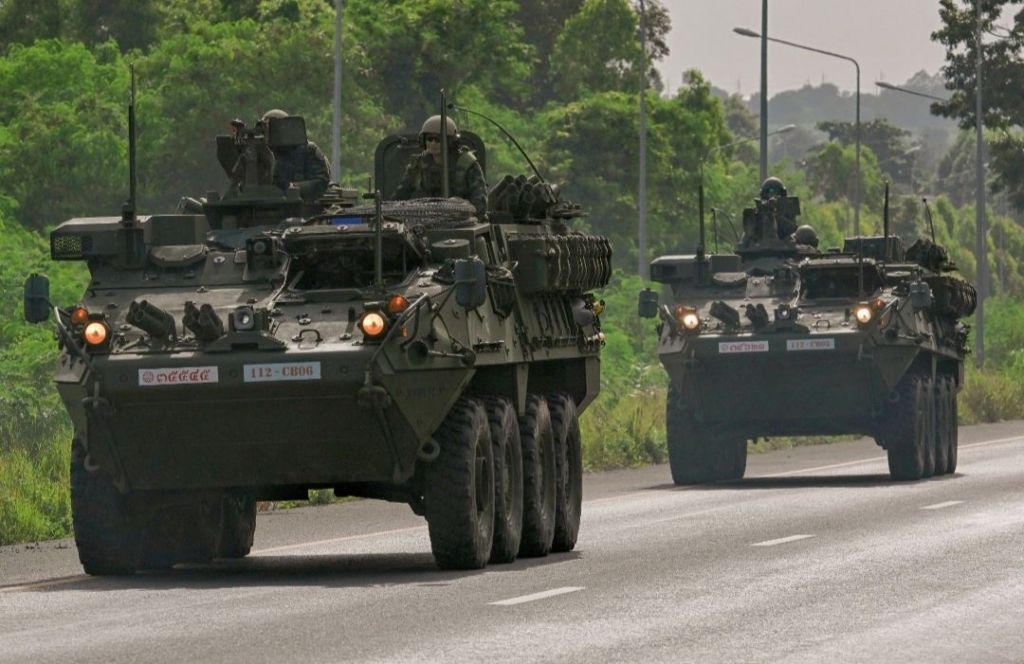
Despite its small size and modest military, Cambodia is not powerless. While Thailand possesses a far superior air force — over 100 combat aircraft to Cambodia’s near-zero — the contested terrain favours defence. The temple area is mountainous and forested, ideal for guerrilla tactics. Cambodian troops, historically adept in asymmetrical warfare, are unlikely to fold easily. And when pride is at stake, even the underdog bites harder.
This standoff is also a masterclass in how colonial-era borders continue to torment modern Asia. The French left behind maps, the British left behind enclaves — and the region is still bleeding from these inked wounds. India and Bangladesh faced a similar challenge but opted for peaceful diplomacy and land swaps. Cambodia and Thailand, by contrast, seem trapped in a cycle of nationalism-fed brinkmanship.
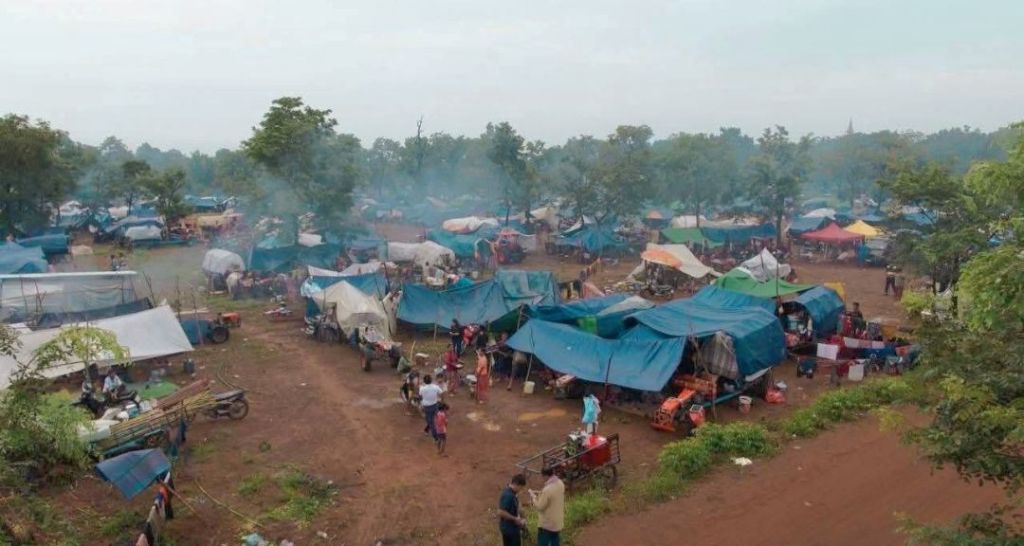
Heritage, once a domain of scholars and tourists, has morphed into political currency. What’s happening at Preah Vihear is not just about rocks and ruins — it’s about reclaiming history, asserting national pride, and controlling narratives. In this sense, it is no less significant than a fight over oil fields or shipping lanes.
So now we find ourselves watching two nations — tied by history, divided by pride — edge closer to open conflict over an architectural relic. In the process, temples have turned into trophies, maps into minefields, and ministers into memes. The lines between diplomacy, performance, and warfare have all but vanished.
If this feels like the world turned upside down — that’s because it is. Where once monks walked with chants and incense, soldiers now march with rifles and rage. In the digital age, heritage has gone from sacred to strategic, from serene to explosive.
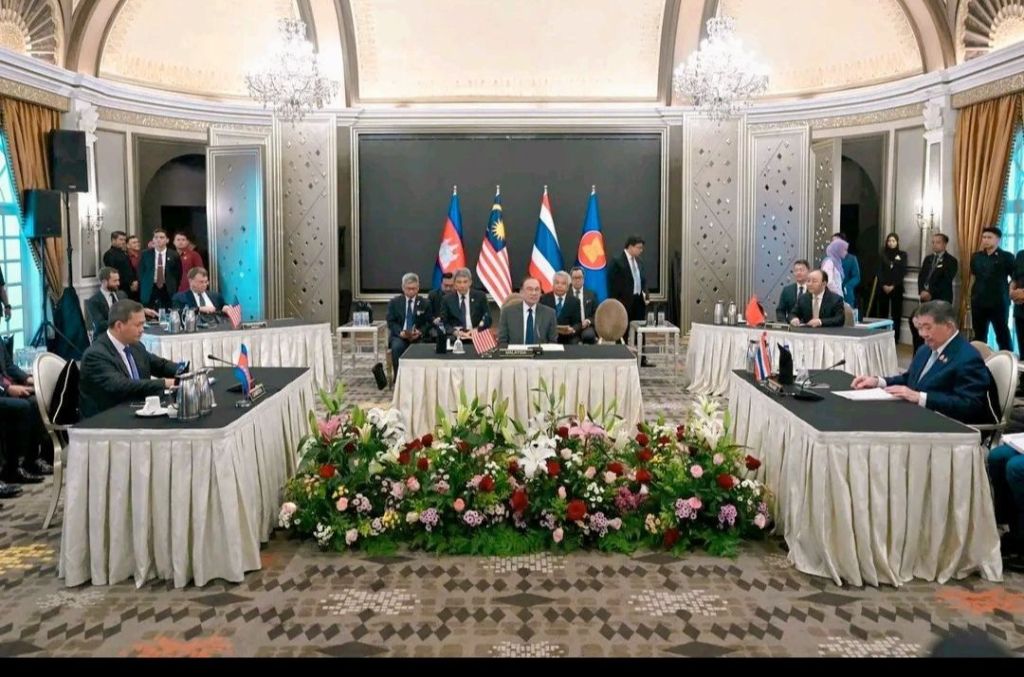
And maybe, just maybe, that’s the maddest truth of all: in the era of AI and space exploration, the fiercest fights may still erupt over ancient stones. Because when history is weaponized and identity is wounded, not even the gods carved in rock can silence the gunfire or mute the hashtags.
Visit arjasrikanth.in for more insights
 SOCIAL PERSPECTIVES