
Spices Went from Granny’s Shelf to Boardroom Battlefield—and Every Pinch Now Packs Profit, Power, and Pride
In a country where the kitchen is the soul of the home, it’s only fitting that spices—those tiny pinches of magic—have turned into one of the most explosive battlegrounds in the FMCG world. What was once the sleepy domain of local traders and neighbourhood godowns has now become the epicenter of corporate warfare. And why not? In a market where 8–10% margins are the norm, spices are the delicious outlier, offering 30–35% margins for pure variants and an eye-watering 60% for blended mixes. That’s not just flavour—it’s financial dynamite.

The signs were always there, but most FMCG giants were too busy chasing soaps and snacks to notice. Until suddenly, everyone woke up to the smell of curry powder—and the scent was money. Now, boardrooms in Mumbai are drawing battle maps for Sambhar Masala supremacy in Chennai. And in this red-hot scramble, it’s not just about shelf space; it’s about owning taste buds, one household at a time.
Enter MTR’s parent company—a Norwegian-backed player that saw this masala madness coming way before the rest. Long before the pandemic put packaged food into hyperdrive, they scooped up Bengaluru’s iconic MTR in 2007 and doubled down with a ₹1,356 crore acquisition of Kerala’s Eastern Condiments in 2021. MTR alone is now clocking ₹2,400 crore in annual revenue, most of it from spices. And just to season things further, they’ve filed for an IPO. Not to raise cash—just to flex.

But this is no walk in the spice garden. The Indian spice market is a patchwork of local loyalties, with 2,000+ brands jostling for attention. From Aachi and Sakthi in Tamil Nadu to Brahmins and Eastern in Kerala, each region has its own spice lords, and they’re not going quietly. Spice isn’t just taste here—it’s identity. And identity doesn’t scale easily. You can’t mass-produce the essence of a grandmother’s rasam mix and expect it to work in every pin code.
That’s why the big boys aren’t trying to reinvent recipes—they’re buying the local legends. MTR tried and failed four times to break into Kerala. Then they gave up and just bought Eastern. ITC’s Ashirwad flopped in spices, so they bought Sunrise Foods. Tata tried to sprinkle its salt magic into the masala world—no dice. They had to buy Organic India. The message is clear: you can’t bulldoze your way into someone’s kitchen. You earn your spot—or you acquire it.
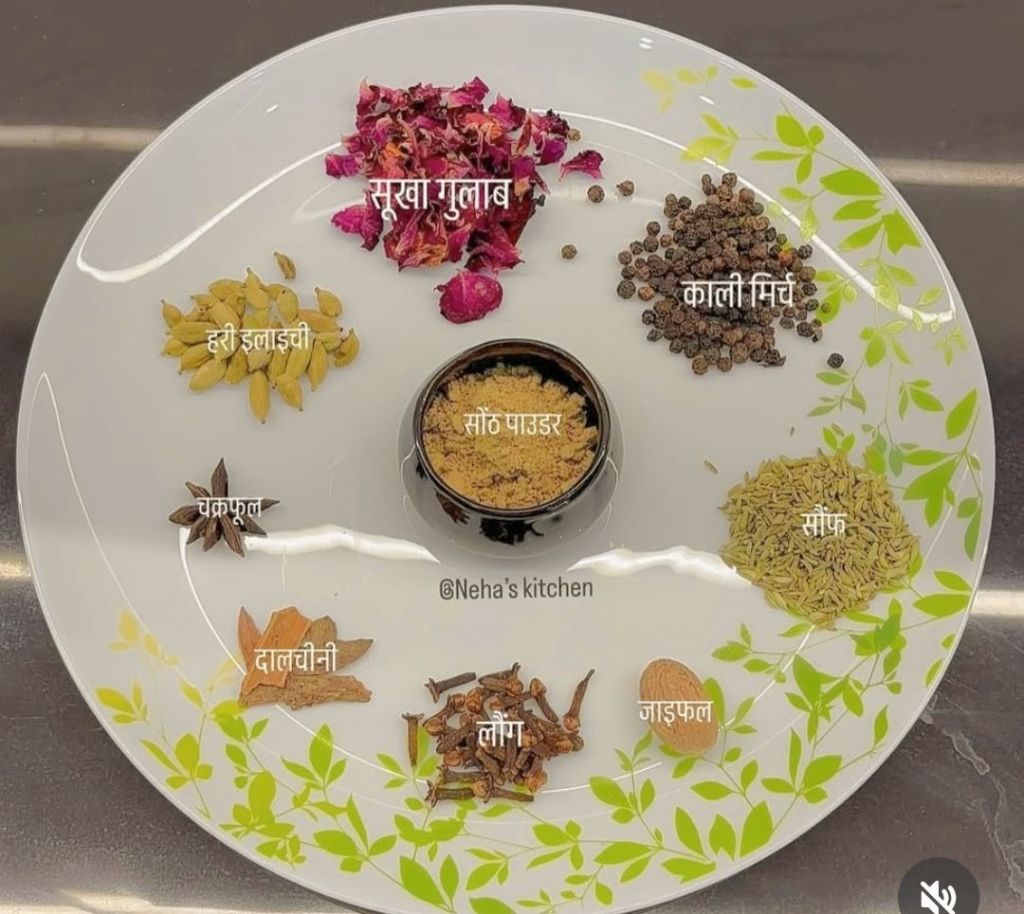
As urban life accelerates and time becomes premium, fewer households have the patience—or even the tools—to dry roast, grind, and mix spices like in the old days. Packaged masalas are no longer shortcuts; they’re essentials. Ready-to-use spice blends like garam masala, puliyodarai mix, or chicken curry masala are flying off shelves because they simplify flavour without sacrificing authenticity. It’s convenience without compromise, and that’s gold in today’s market.
But even as the spice boom simmers, there’s something rotten in the mortar and pestle. Adulteration looms large. The MDH and Everest scandal involving ethylene oxide sent shockwaves across Asia. Hong Kong and Singapore banned batches. For a country that exports ₹35,000 crore worth of spices annually, this isn’t just a PR problem—it’s a diplomatic one. Over half of India’s spice exports are under a microscope now. Trust is now as valuable as turmeric.
That’s why traceability and purity are the next big battlegrounds. The government’s food regulator, FSSAI, has already rolled out DIY test kits for spice adulteration. In this age of health-conscious, label-reading consumers, whoever can guarantee clean, safe, origin-traceable spices wins not just customers—but evangelists.
And here’s the kicker: this isn’t some trend that’s going to burn out like oat milk or plant-based nuggets. Spices have serious stickiness. MTR still makes 70% of its revenue from South India. It has only 5% penetration in the North. The growth runway is massive, and the brand’s IPO makes it clear—they’re cashing out from strength, not raising money to stay afloat.

So yes, this is no longer a story about what’s in your spice box. This is about brand loyalty forged over decades, about every pinch of cumin being a strategic move, and every packet of sambar powder being a market-share weapon. It’s not FMCG—it’s full-on flavour warfare.
The Indian spice trade, once the quiet hum in the back of your kitchen, is now the thumping bass in the stock market dance. As FMCG titans, private equity giants, and legacy families all throw their hats into the curry-stained ring, one thing’s for sure: the masala game has changed forever. Taste is now a trillion-rupee trigger. And the next big brand war won’t be fought over colas or soaps—it’ll be over what goes in your kadai.
Visit arjasrikanth.in for more insights
 SOCIAL PERSPECTIVES
One response to ““Curry Capitalism: Inside India’s Great Masala War””
It’s a fresh perspective.
LikeLike