“India’s temple of democracy is teetering on the edge—only bold reforms, global best practices, and renewed political will can revive its spirit and purpose.”

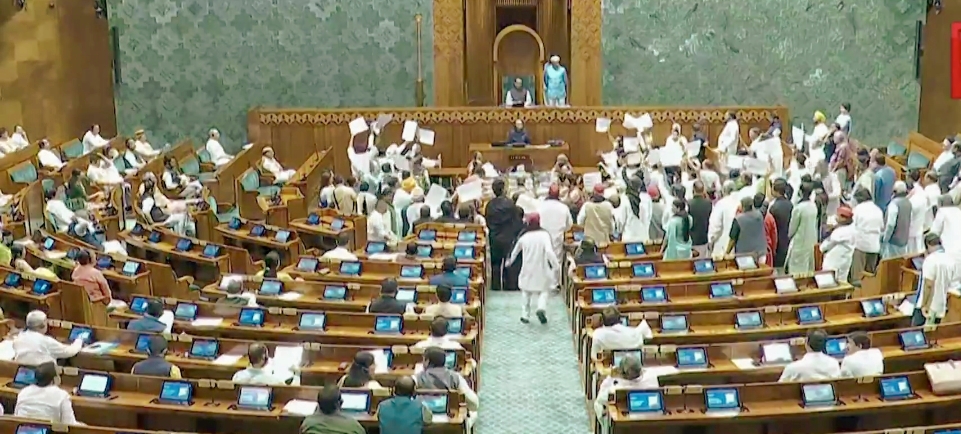
In a world full of democratic experiments, the Indian Parliament symbolizes the strength of the world’s largest democracy. Yet, its productivity has seen a steep and troubling decline. The Monsoon Session of 2023 is a case in point—Lok Sabha functioned at just 24% and Rajya Sabha at 26%, with only 34 hours of effective work against 141 scheduled. This breakdown in legislative functioning points to deeper structural and behavioural challenges.

Frequent disruptions, largely driven by an increasingly confrontational political environment, have become a norm. Issues like demonetization and the farm laws trigger walkouts and sloganeering, often substituting debate with spectacle. The passage of the 2020 Farm Laws in under three hours illustrates the erosion of deliberative rigor. Such disruptions not only reduce the quality of legislation but also shrink the space for dissent and nuanced policymaking.
Parliamentary underperformance is further magnified when viewed globally. India averages 60-70 sitting days annually, compared to the UK’s 150 and Germany’s 120. This limited schedule affects debate quality, encourages absenteeism, and dilutes the legislative process. Parliamentary proceedings are increasingly viewed as platforms for political posturing rather than meaningful discourse, diminishing public confidence in the institution.
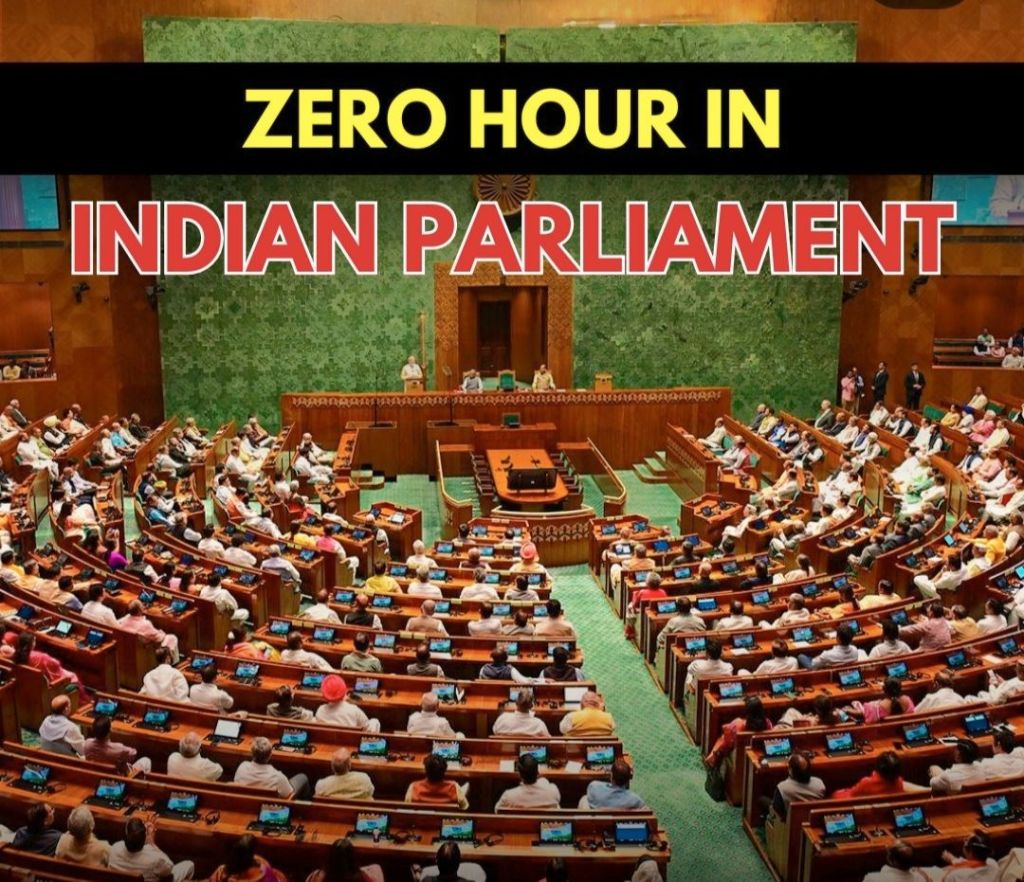
Core to this decline is the growing political polarization and lack of bipartisan dialogue. A majoritarian legislative style often side-lines the opposition, while weak institutional deterrents allow persistent disruptions. The electoral system, media sensationalism, and unchecked lobbying add further complexity, incentivizing performance politics over substantive contribution.
Comparative models offer valuable lessons. The UK’s committee system and Prime Minister’s Questions ensure accountability and engagement. Germany’s constructive vote of no confidence encourages continuity and stability. Canada enforces debate time limits, and Sweden’s emphasis on cross-party negotiation in minority governments ensures constructive dialogue.

India can benefit from these examples by enacting strong anti-disruption rules with financial penalties and stricter enforcement by the Speaker. Institutional reforms should include mandatory bill scrutiny by standing committees, a fixed calendar guaranteeing 100 annual sitting days, and public access to committee proceedings. Technological upgrades like real-time legislative dashboards and digital consultations could further democratize the law-making process.

Procedural reforms such as structured, time-bound debates and opposition-guaranteed reply slots would enhance dialogue. Anti-defection law reform to allow greater freedom on non-confidence motions and consistent all-party meetings before introducing major legislation can foster consensus.
The way forward lies in transforming the Parliament from a battleground into a deliberative forum. India must embrace global best practices, not just in rulebooks but in political culture. The restoration of Parliament as the temple of democracy depends on commitment from all stakeholders—government, opposition, institutions, and citizens. Only then can it reclaim its rightful place at the heart of India’s democratic promise.
Visit arjasrikanth.in for more insights
 SOCIAL PERSPECTIVES