
From saffron fields to bamboo groves, India’s railways didn’t just bridge geography—they detonated decades of isolation, stitching the soul of a nation with tunnels, tracks, and tectonic transformation.
In a country as vast and vibrant as India, true transformation rarely comes quietly—it thunders down mountains, tunnels through forests, and whistles its arrival into hearts long waiting. This is the story of two distant regions—Srinagar in the North and Aizawl in the East—where the convergence of steel and spirit has redrawn the national map of opportunity, unity, and growth. Rail connectivity to these farthest frontiers isn’t just about trains arriving; it’s about aspirations finally departing the station.
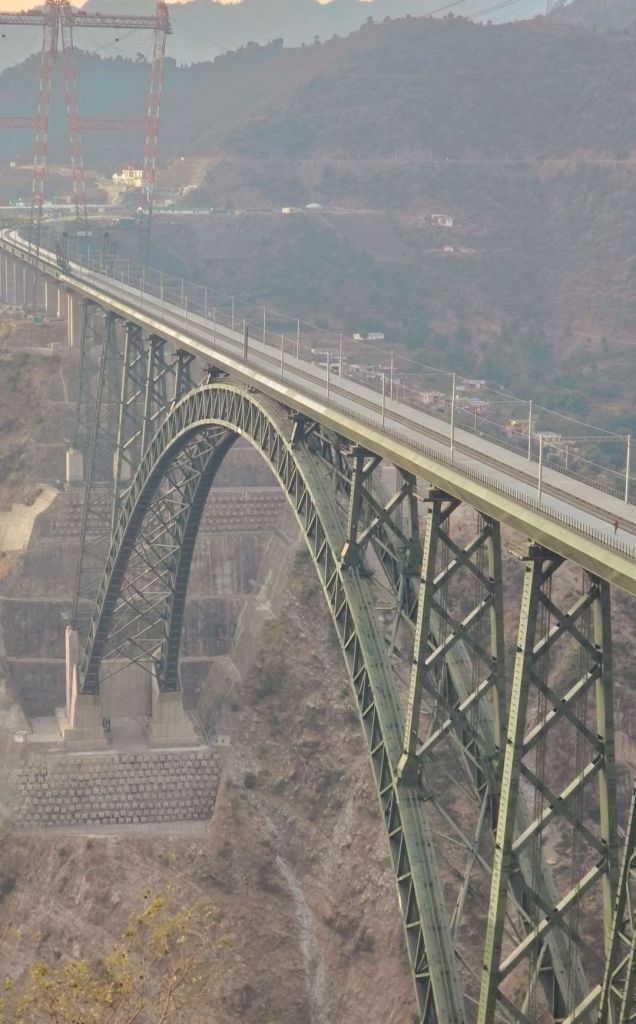
For the Kashmir Valley, surrounded by the awe of snow-capped mountains and echoes of timeless poetry, the arrival of the railway is nothing short of historic. Srinagar, long seen as a jewel in India’s crown yet hemmed in by its geography, now welcomes a lifeline of connectivity that promises more than just movement—it brings economic rejuvenation, social integration, and the profound assurance of inclusion. No longer will the people of Kashmir rely solely on weather-prone roads or costly air travel. With trains now pulling into Srinagar, visitors from across the nation can finally glide into a land revered for its Mughal gardens, saffron fields, and floating markets. This seamless access means the valley is now open for tourism year-round—an economic blessing for artisans, hoteliers, and shopkeepers who have long been at the mercy of seasonal fluctuations and road closures.

The symbolism of the railway in Kashmir runs deep. It speaks to the reaffirmation of national unity, where Srinagar is no longer a remote endpoint but a vital part of India’s rhythm. It’s the pulse of progress that now beats through every tunnel and bridge built across the Himalayas—an engineering marvel as much as it is an emotional homecoming. The potential is enormous: not just for tourism, but for trade, agriculture, education, and digital commerce. Kashmiri apples, carpets, and Pashmina shawls can now reach broader markets, while young minds from the valley can access academic institutions with greater ease and hope.
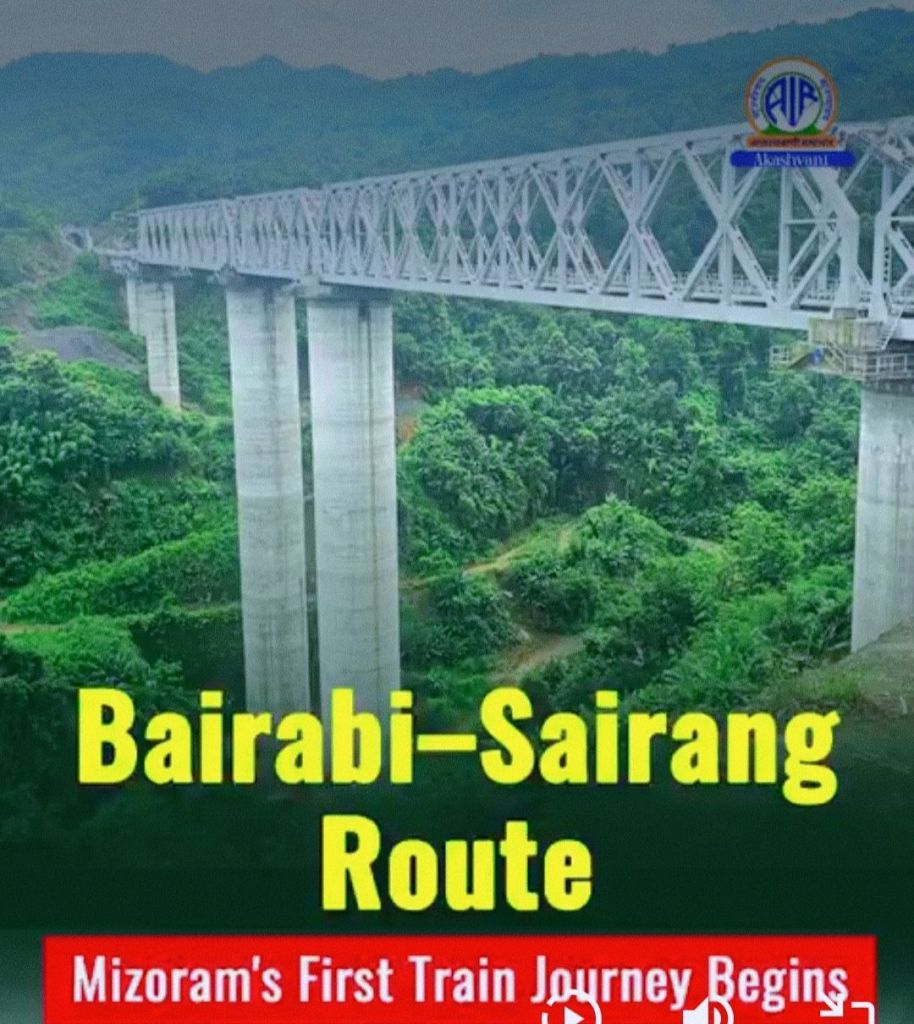
Not to be outdone, the verdant and fiercely proud state of Mizoram, tucked in the farthest hills of the Northeast, is riding its own train to transformation. The 51.38-kilometre Bairabi–Sairang railway line connecting Aizawl to the Indian Railways is a marvel crafted through 50 tunnels and 150 bridges, each built against nature’s fiercest odds—landslides, monsoons, and months of impassable terrain. For the people of Mizoram, this connection isn’t just steel on soil—it’s the fulfilment of a long-nurtured dream. Generations who grew up hearing about railway lines reaching faraway cities now witness locomotives arriving at their doorstep, bearing the promise of better days.

This rail link slices travel time between Guwahati and Aizawl from 18 hours to under 12, making access to healthcare, education, and markets significantly easier. Mizoram’s rich bounty—turmeric, ginger, bamboo—can now reach national shelves faster and fresher. Local artisans who once struggled to find markets for their handcrafted goods will now be able to share their culture with the country, turning isolation into inspiration. The tourism potential is immense. The untouched hills, vibrant festivals, and warm hospitality of the Mizos can now be discovered by travelers who had previously been daunted by the journey.

But the train to Mizoram carries more than passengers and produce; it brings pride. It affirms to the people of the Northeast that their stories matter, their cultures are celebrated, and their futures are entwined with the destiny of the nation. The railway also strengthens national security, enhancing access to border regions that share frontiers with Myanmar and Bangladesh. It’s a strategic move as much as a social one, ensuring India’s borders are not just defended, but developed.
Both railways—one sweeping through the valleys of Kashmir and the other threading through Mizoram’s emerald hills—signal a seismic shift in how India envisions inclusion. Jobs will bloom not just in railways, but in allied sectors like hospitality, logistics, agriculture, and e-commerce. Youth who once looked to distant cities for livelihoods can now build futures closer to home. The movement of people, goods, and ideas will stitch new narratives of unity and shared prosperity.
Of course, this newfound accessibility must be handled with care. Kashmir and Mizoram are ecological treasures, and sustainable tourism and development must be non-negotiable principles. Growth must respect the land that hosts it, ensuring that progress does not come at the cost of heritage or habitat.
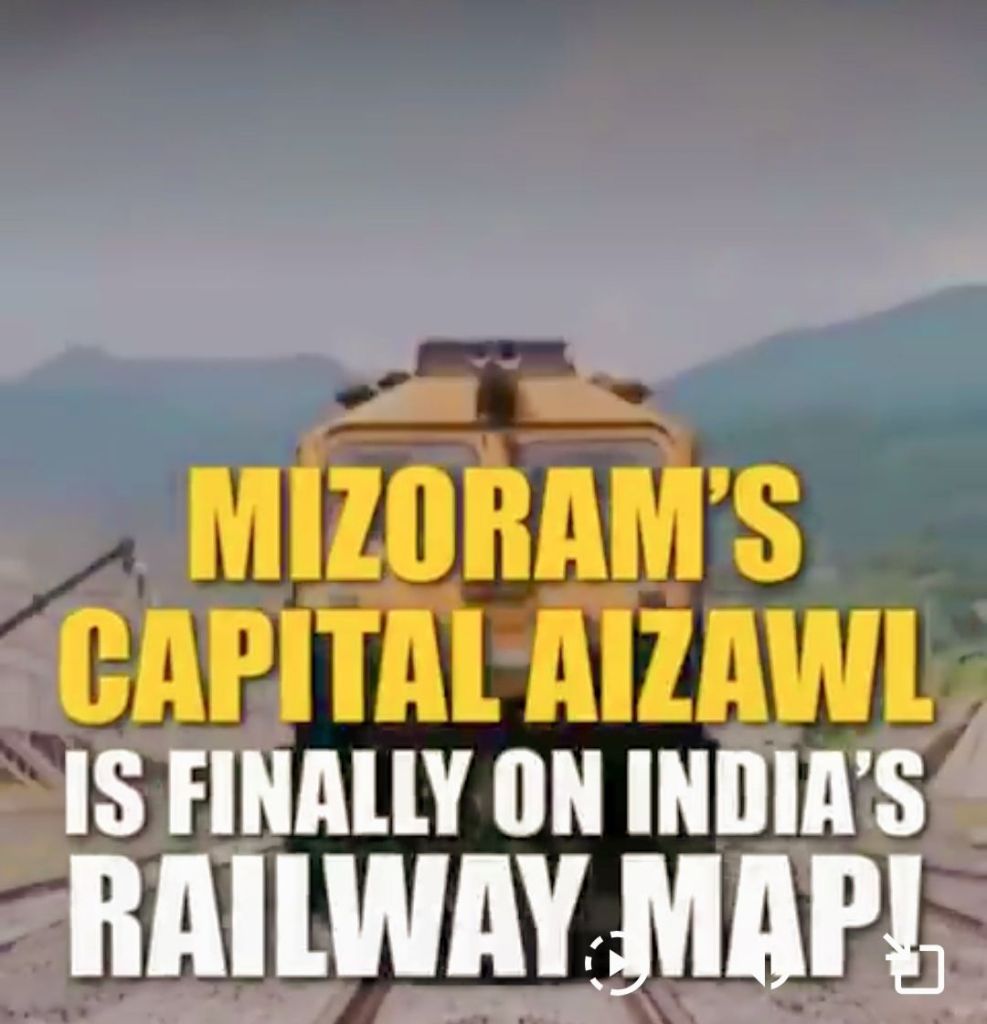
In every sense, these new railway links are much more than lines on a map. They are declarations in steel and stone that India’s march to development includes every corner, every culture, every citizen. They connect dreams to destinations, tradition to trade, and people to possibility. As engines roll across landscapes once considered unreachable, they carry a simple but powerful message: no distance is too great when a nation moves together.
Visit arjasrikanth.in for more insights
 SOCIAL PERSPECTIVES