
A Sacred Pilgrimage Became a Megascale Movement—and It Now Needs a Divine Overhaul
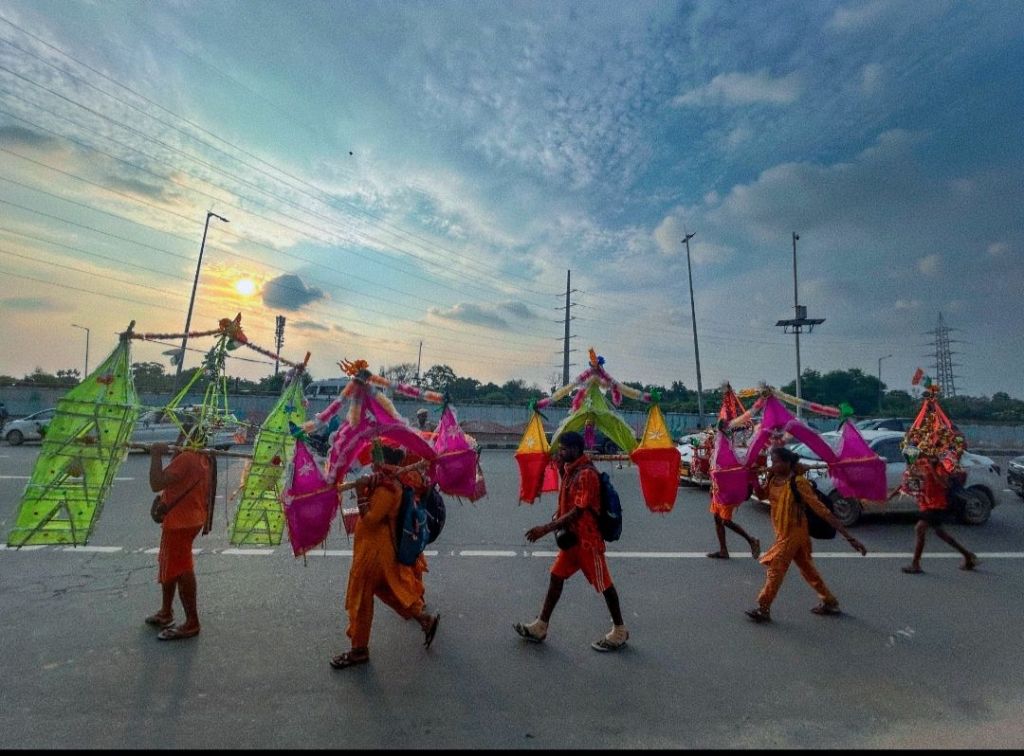
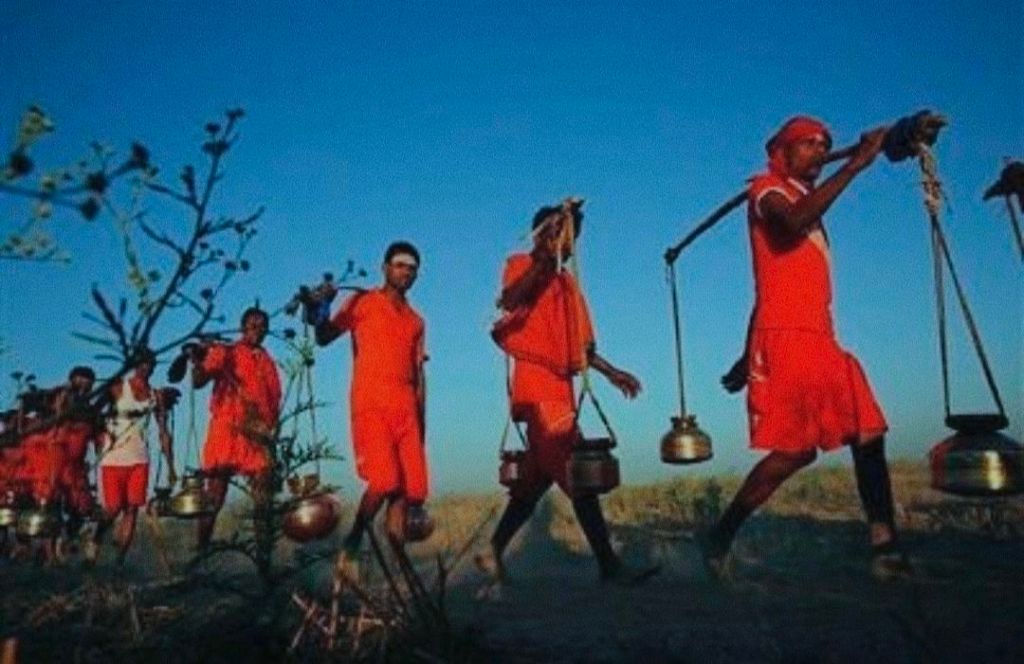
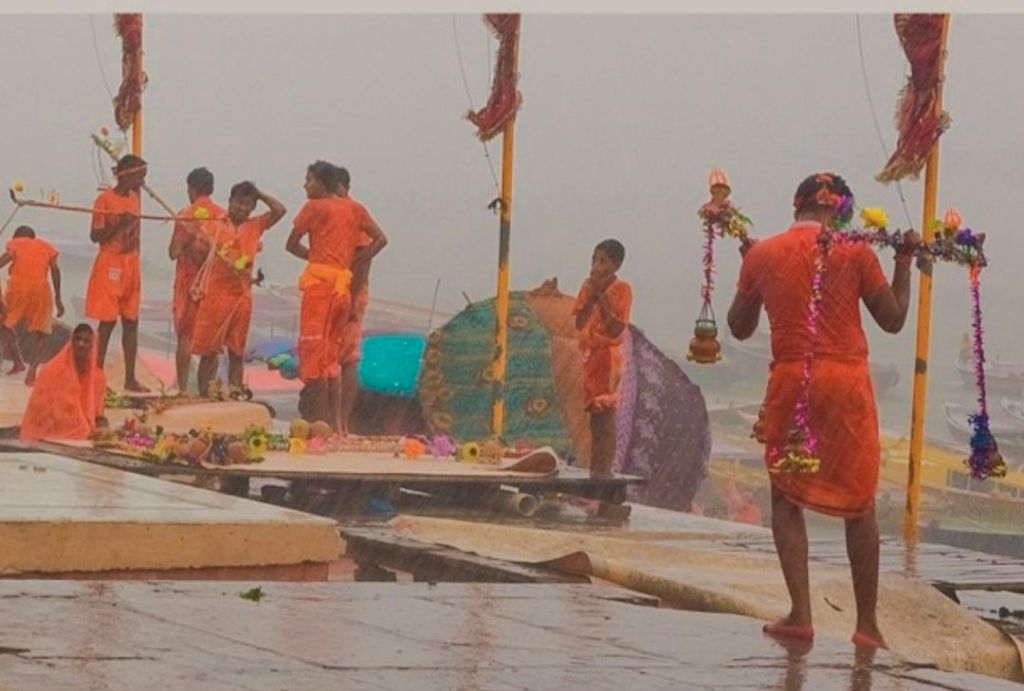
Each year, a timeless spectacle unfolds across the northern plains of India as millions of ardent devotees, known as Kanwariyas, embark on the sanctified Kanwar Yatra. Carrying earthen or metal pots of holy water drawn from the sacred Ganga, these pilgrims traverse hundreds of kilometres—often barefoot and in deep penance—to offer the sanctified jal to Lord Shiva, the embodiment of cosmic transformation. The pilgrimage is most visible across the sacred geographies of Uttar Pradesh, Haryana, Rajasthan, and Delhi, where the fervor of devotion merges with the rhythm of ancient tradition.
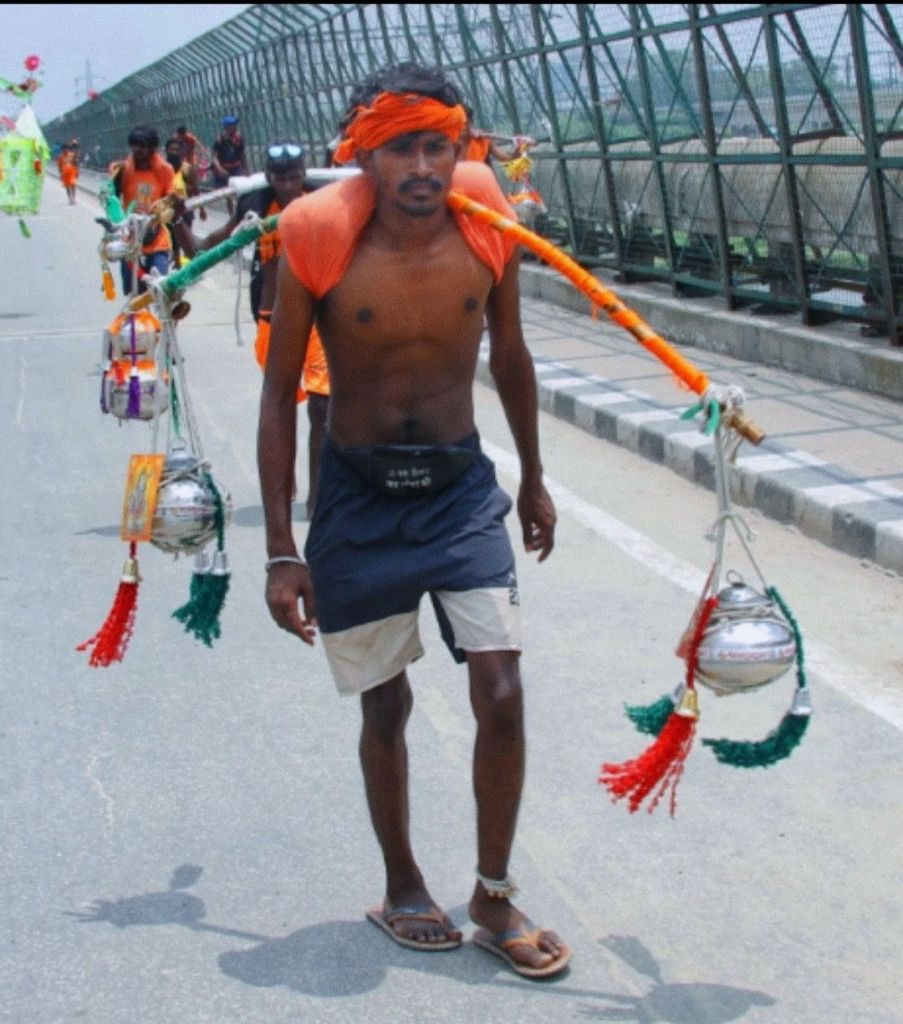
The Kanwar Yatra is not a modern phenomenon. Its spiritual roots lie in Puranic lore, particularly in the legend of the Samudra Manthan, where Lord Shiva consumed the lethal halahala to save creation, later soothed by the cooling grace of the Ganga. This act of divine sacrifice is eternally mirrored by the Kanwariyas, who undertake the journey not for spectacle but as an act of surrender, purification, and devotion. Yet over time, especially from the 1980s onward, the Yatra has grown exponentially in scale, aided by expanding transport infrastructure, amplification through mass media, and overt political support.
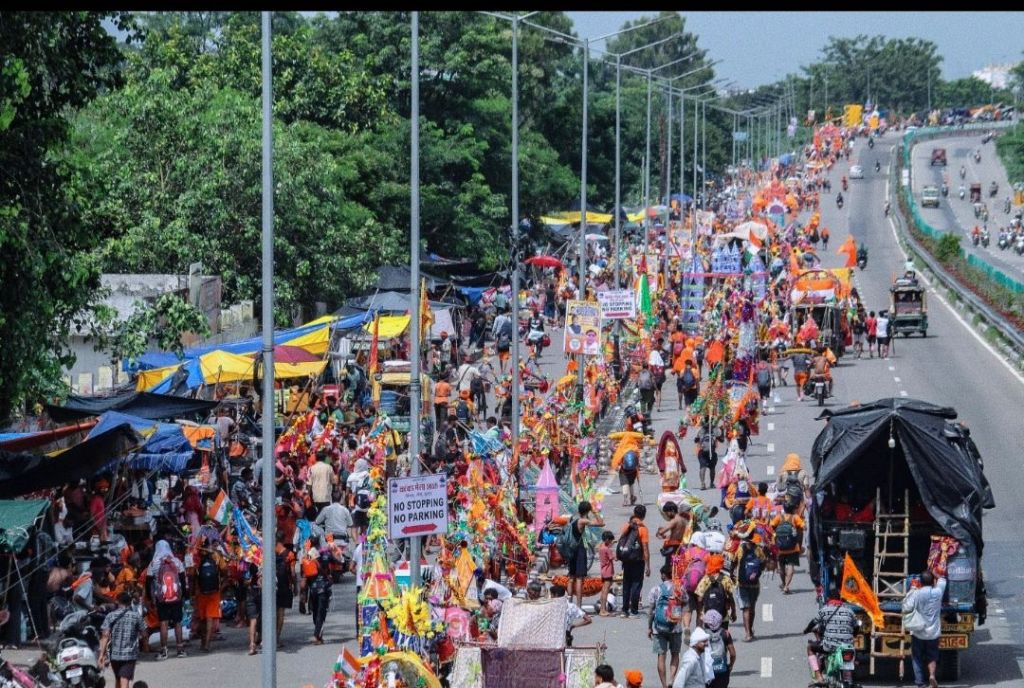
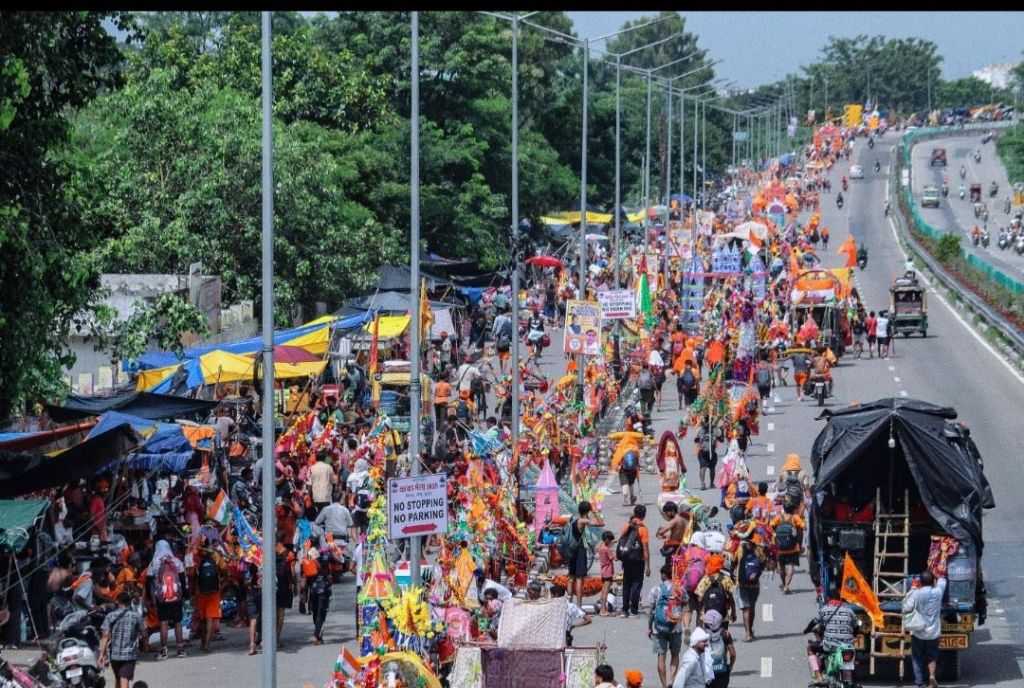
What was once an austere, ascetic ritual has become a dynamic expression of popular religiosity and cultural assertion. As pilgrim numbers swell each year, so too do the logistical complexities. Roads once bearing the gentle footfall of seekers now echo with congested traffic, blocked highways, and tragic accidents. Sanitation remains a neglected concern, and medical aid along the route is often sparse or delayed. While the devotion remains untouched, the execution reveals growing cracks. Instances of unrest—stemming from conflicts with local communities or a minority among pilgrims who resort to intimidation—cast a shadow over the sacredness of the journey.
Environmental degradation has become another grave concern. The indiscriminate use of plastic bottles to carry Ganga Jal, and littering along the riverbanks and highways, stains the purity that the pilgrimage seeks to uphold. Fragile ecosystems are overwhelmed by the sheer magnitude of foot traffic, and the serenity of the sacred spaces is threatened by noise, pollution, and neglect.
In some instances, the Yatra’s spiritual essence has been eclipsed by performative zeal. Imposition of food taboos, encroachments on public rights of way, and displays of aggressive religiosity by fringe groups mar the inclusive spirit of Sanatan Dharma. The challenge before the state and society is to restore harmony—balancing sacred freedoms with civic order, faith with discipline, devotion with responsibility.
India’s rich spiritual tradition offers luminous examples of managing large-scale pilgrimages with grace and foresight. The Amarnath Yatra incorporates RFID tagging and digital monitoring to manage pilgrim flow. At Sabarimala, virtual queues and structured crowd control reflect precision in devotion. The Kumbh Mela, a marvel of human congregation, exemplifies temporary urban planning, artificial intelligence for crowd management, and environmental stewardship through volunteerism. These sacred events offer time-tested templates for balancing the transcendental with the terrestrial.

Drawing from these models, the Kanwar Yatra too must now embrace reform, not in spirit but in structure. Dedicated Kanwar lanes distinct from public roads would relieve cities and towns from annual gridlocks. Mobile toilets, clean water stations, and resting zones are no longer optional amenities but essential sanctuaries. Digital wristbands, mobile-based tracking, and real-time dashboards can empower administrators to respond swiftly to emergencies.
A moral call must also be issued to protect the very sanctity the Yatra seeks to celebrate. The abolition of single-use plastics, mandatory clean-up protocols, and awareness campaigns led by seers and saints can reframe the journey as one of ecological reverence. Religious leaders, as torchbearers of dharma, must reassert the principles of restraint, respect, and universal harmony, ensuring that the pilgrimage remains inclusive, non-confrontational, and spiritually elevated.
Medical preparedness is non-negotiable—emergency ambulances, paramedic support, and health camps must accompany the faithful along their path. Weather alerts, route advisories, and help centres can serve as modern-day dharmashalas, offering timely support to those in distress. A collaborative framework between states is imperative for unified coordination, resource sharing, and conflict resolution.
At its core, the Kanwar Yatra is a luminous testament to the enduring vitality of India’s devotional spirit. It brings together the sacred and the social, the mythic and the modern. But for it to retain its spiritual potency and cultural relevance, the Yatra must rise to the demands of its own magnitude. In doing so, it has the potential to emerge not merely as a mass movement of faith, but as a model pilgrimage—spiritually enriching, environmentally conscious, and civically responsible.
The call of Lord Shiva echoes not just in chants and conches, but in the silent expectation that His devotees uphold the sacred values He personifies—compassion, discipline, and cosmic balance. To honour Him, the Kanwariya must walk not just the path of distance, but the path of dharma.
Visit arjasrkanth.in for more insights
 SOCIAL PERSPECTIVES