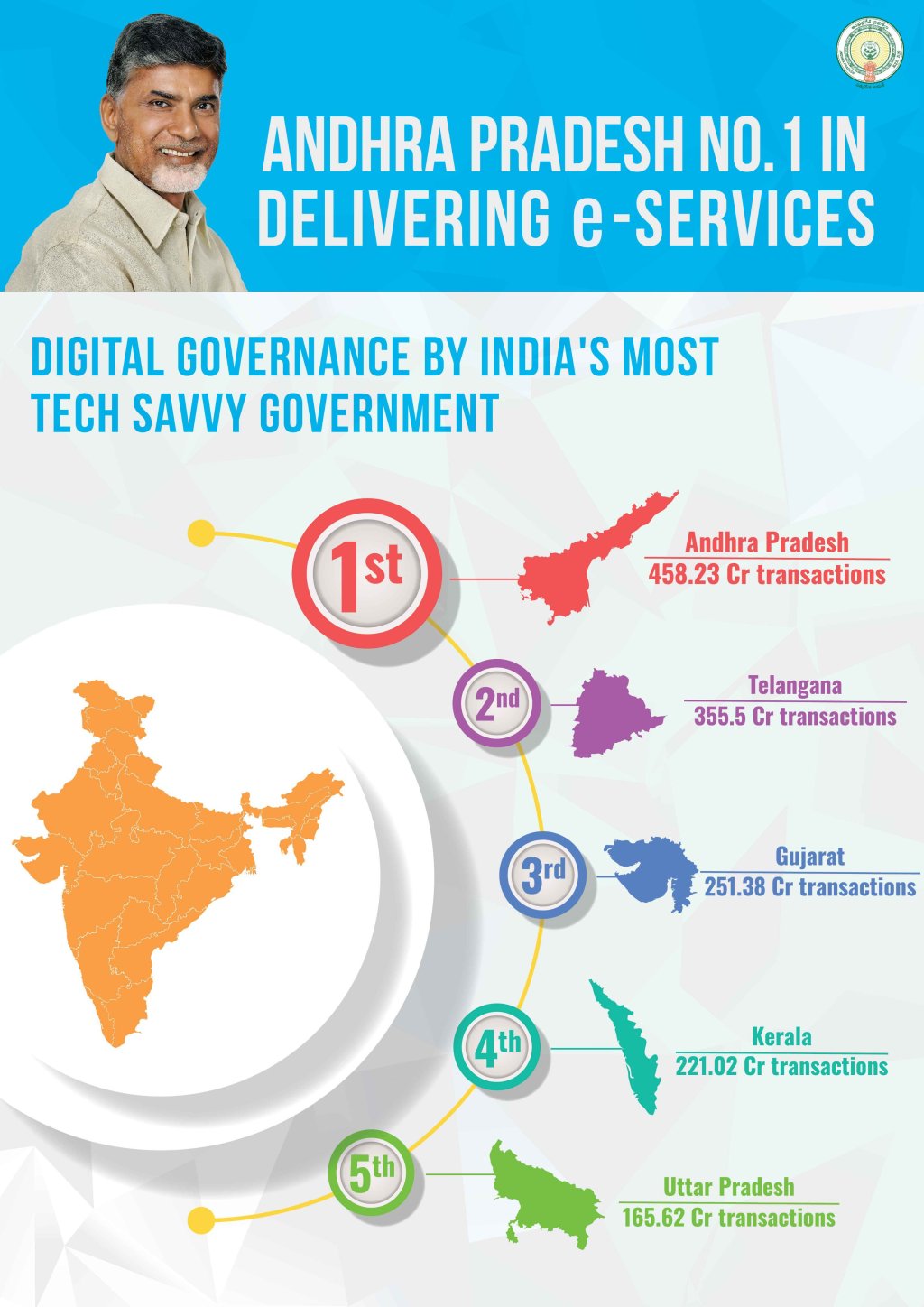
A silent revolution is replacing protocols with portals, clerks with coders, and promises with platforms—putting the citizen, not the system, at the center of power.
In a world where governments often drift like distant ships from the people they serve, a quiet revolution is brewing in Andhra Pradesh—one that seeks to bring governance not just closer to citizens, but to place them at the very center of its operating system. Under the leadership of Chief Minister N. Chandrababu Naidu, the state is scripting an audacious administrative experiment: one where digital maps replace murky land records, village clerks double as change agents, and transparency becomes the most potent political currency.
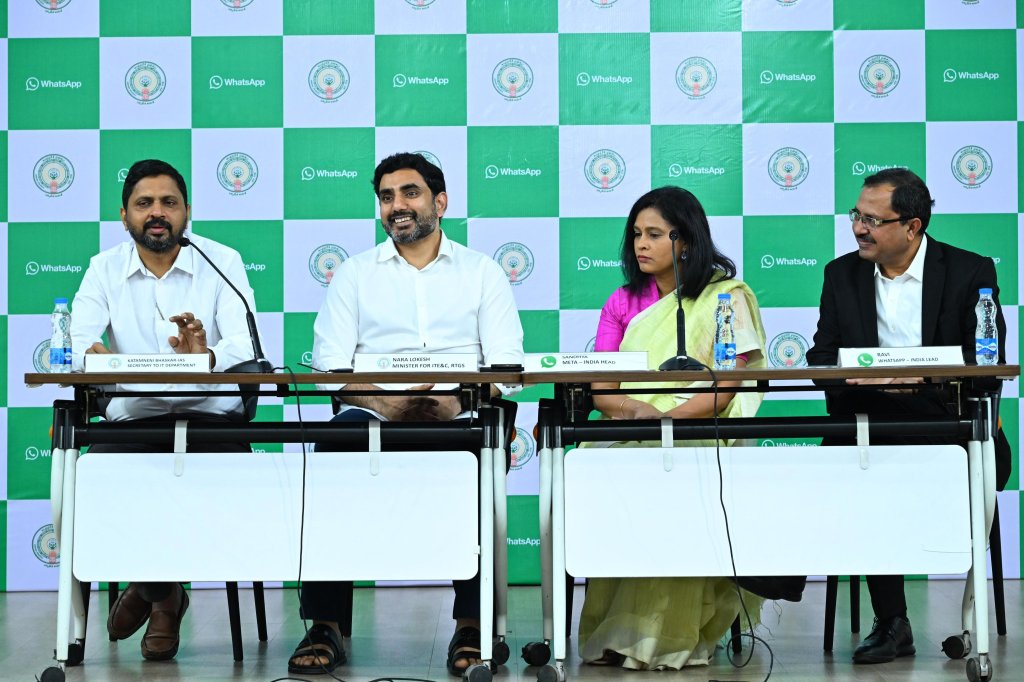
At the heart of this transformation is a commitment to reimagine governance through the lens of everyday citizens. No longer content with top-down models, the state is shifting gears. During a recent review meeting at the State Secretariat, Naidu laid out a roadmap that could set new national benchmarks. From land reforms to grievance redressal, every initiative is being redesigned for speed, accountability, and inclusion.
The government’s plan to roll out fresh Pattadar Passbooks from August is more than a paperwork exercise—it’s a metaphorical handshake with the people. These passbooks, offered only to those whose land records have been cleaned and verified, symbolize ownership built on trust rather than political patronage. By erasing political markings from 77.9 lakh survey stones—a legacy of the previous regime—the administration is making a bold statement: land should serve the people, not the party.
The goal is even bolder—complete resurvey of land in all villages by December 2027, with no financial excuse permitted. This level of resolve is reminiscent of Karnataka’s Bhoomi project, which digitized land records decades ago to curb corruption and disputes. Andhra Pradesh is building on that legacy, but with a layer of transparency that could eclipse its predecessors. A new portal offering visual access to land ownership, boundaries, and encroachments is under development. Much like Gujarat’s Digital Seva Setu, which takes governance to the doorstep, Andhra’s digital interface will help farmers, buyers, and administrators avoid legal landmines.

Regularizing housing plots is the next frontier. The government has promised to resolve all unobjected housing cases by December, particularly in urban slums and informal colonies. It’s a gesture that turns overlooked families into legal homeowners. The ambition extends further—to provide house sites to every eligible family within two years, followed by housing construction. This mirrors Tamil Nadu’s model of e-Seva centers, which ensure single-window service access to marginalized groups. Andhra’s version includes a Cabinet Sub-Committee to oversee land allotments, ensuring that supply and demand are balanced through real-time governance rather than bureaucratic bottlenecks.
Yet, the challenges are steep. Nearly one lakh applications for housing plots are pending, requiring over 2,000 acres of land. Matching eligibility, geography, and availability will require a data-driven approach. Lessons can be borrowed from Kerala’s Aadhaar-enabled delivery model, which links citizens to benefits with minimal leakage. Andhra’s task is to use such precision while scaling up its housing initiatives without turning them into bureaucratic black holes.

Another masterstroke is the digitization of succession procedures. Inheritance—a process often riddled with legal delays and exploitation—will now be simplified, with nominal fees and local staff empowered to process applications. This not only reduces red tape but reflects the user-friendly ethos of platforms like Karnataka’s Mobile One App, which integrates over 600 services into a single touchpoint. The modernization of the Revenue Manual by August is also on the cards, ensuring that the machinery powering this new-age administration runs on updated rules, not colonial relics.
Naidu’s vision doesn’t stop at documents and databases. He’s reshaping the very structure of administrative time. Revenue officers will now be exempt from protocol duties during ministerial visits, allowing them to concentrate on actual service delivery. It’s a simple shift, yet revolutionary. Governance, after all, isn’t about red carpets—it’s about results.

Still, the digital divide looms large. Rural populations continue to struggle with access to technology and the literacy required to navigate digital platforms. Overcoming this requires partnerships. Public-Private Partnerships (PPPs), like those seen in Gujarat’s SWAGAT model, can help scale last-mile connectivity and ensure services reach every hamlet. Collaborations with tech firms for AI-enabled grievance portals and real-time chatbots—similar to MyGov’s UMANG platform—could revolutionize the citizen feedback loop.
Transparency isn’t just a buzzword here—it’s being coded into the system. Blockchain-based land records, like in Karnataka’s pilot schemes, could soon become standard in Andhra, reducing fraud and ensuring historical integrity of property data. Social audits and public dashboards for welfare schemes, inspired by Rajasthan’s Jan Soochna portal, are also being explored.

This entire transformation rests on a simple but radical idea: that governance should be frictionless, human, and just. When governments become facilitators rather than gatekeepers, when services are delivered before they are demanded, and when trust is built with data instead of discretion, citizens start believing again.

Naidu’s administration is turning that belief into policy. With digital land maps, AI-driven portals, decentralized housing rights, and a deep respect for the taxpayer’s time, Andhra Pradesh is not just catching up—it’s breaking away from the pack. In a democracy where governance often stumbles between vision and delivery, Andhra Pradesh’s quiet revolution reminds the nation what’s possible when leadership dares to imagine a system where the citizen stands not at the receiving end, but at the very core.
visit arjasrikanth.in for more insights
 SOCIAL PERSPECTIVES