
Underground oil fortresses, geopolitical guts, and future-facing strategy are turning India’s fuel anxiety into an energy power play.
Imagine a world spinning on the edge of uncertainty, where every barrel of oil is both a lifeline and a loaded gun. That’s the geopolitical stage we live on today, and India is stepping into it with an ace up its sleeve—massive, hidden banks of oil buried deep beneath the ground, invisible to the eye but vital to the nation’s heartbeat. These aren’t just tanks. These are vaults. Subterranean fortresses built to withstand disaster, delay chaos, and defy global volatility. Welcome to India’s Strategic Petroleum Reserves (SPR)—the silent guardians of our energy future.

In a country that guzzles around 5.5 million barrels of oil a day but produces only a fifth of that, dependence on imports isn’t just high—it’s existential. About 85% of India’s crude needs are fulfilled by foreign sources, making its energy ecosystem feel like a castle built on sand. Even worse, around 40% of those imports sail through the Strait of Hormuz—a geopolitical bottleneck where 20% of the world’s oil flows and any tension feels like a spark in a fireworks warehouse. When tensions spiked between Israel and Iran in mid-2025, Brent crude shot up $11 in 11 days. That’s not inflation—it’s an economic anxiety attack.

Now imagine this: in the middle of that crisis, India flips a switch. Oil from secret reserves begins flowing. Refineries don’t panic. Trucks don’t stall. Planes keep flying. Groceries don’t double in price. This isn’t science fiction. It’s strategy. These reserves are designed to keep the country running for an additional 90 days in the event of a full-blown supply choke. Ninety days to buy time, think smart, and avoid a tailspin.
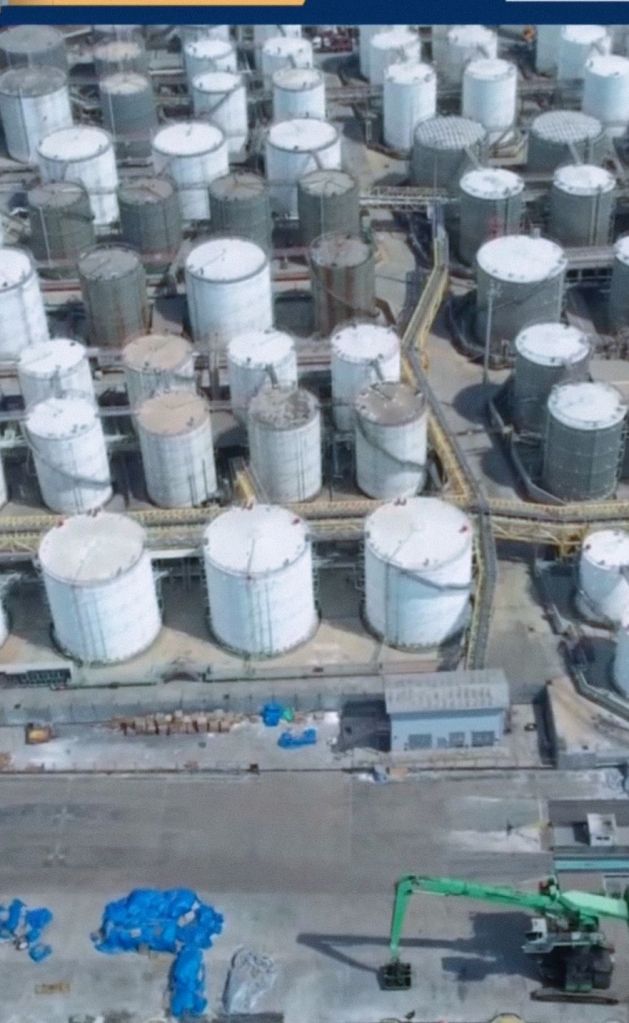
This level of preparedness didn’t happen overnight. It started in the shadows of sanctions following Pokhran II, when India realized that global friendships can freeze faster than fuel in Siberia. By 2004, Strategic Petroleum Reserve Limited (ISPRL) was born, tasked with building what would become some of the most sophisticated rock caverns in Asia. Carved from granite and fortified like military bunkers, these structures currently house 5.33 million metric tons of oil—just under 10 days of national demand. It’s a start, but nowhere near enough.
Enter Phase 2. India is now developing new SPR facilities in Odisha and Karnataka, aiming to boost emergency cover to 90 days. That’s not just good policy—it’s existential planning. And to make it all happen, India’s inviting private players to the party. Public-Private Partnerships (PPPs) are being stitched together to pool capital and tech muscle while letting the government retain strategic control. It’s capitalism in service of sovereignty.

But the oil game is more than caverns and contracts. It’s chess. While some nations went limp after the Russia-Ukraine conflict disrupted markets, India played offense. When Russian crude got cheap due to sanctions, India didn’t hesitate—it filled its barrels. In 2021, Russian oil was just a blip on India’s radar. By 2024, it was 35% of total imports. That’s not luck. That’s geopolitical agility. It insulated India from Middle Eastern instability and proved that energy security can be reimagined, re-routed, and rewritten.

Then there’s the untapped giant: the Andaman reserves. With early estimates hinting at a staggering 11.6 billion barrels of oil, this underwater jackpot could catapult India from dependent to dominant. Imagine a $3.7 trillion economy morphing into a $20 trillion powerhouse, not through Silicon Valley mimicry but via indigenous energy boom. It’s bold. It’s futuristic. And it’s entirely possible.
Yet, the success of India’s energy insulation doesn’t rest on oil alone. The vision extends beyond black gold. It’s about blending traditional reserves with next-gen solutions: solar buffers, hydrogen storage, green corridors, and battery banks. The future isn’t fossil-fuelled or fossil-free—it’s fossil-smart. And India is threading the needle carefully.
Still, challenges loom.
Underground reserves aren’t cheap. Maintenance is tricky. Environmentalists point to salt cavern brine disposal, carbon footprints, and land-use disruption. The price tag for expanding reserves? A jaw-dropping ₹13,000 crore. But what’s the cost of being unprepared when the next oil crisis hits? Priceless.
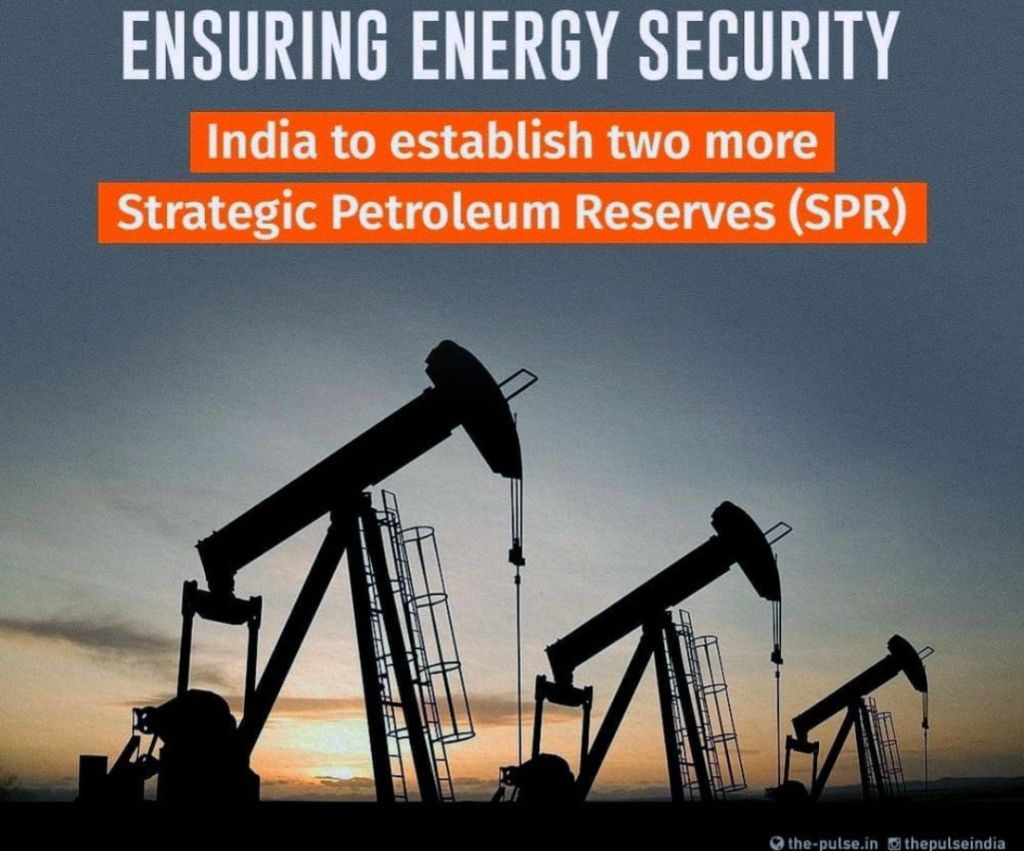
Then there’s the tech. While AI monitors cavern pressure and leakage, human pressure builds in boardrooms. Governments, oil majors, and analysts all want a say. Should we lease some reserves to foreign companies? Should we mandate refill prices when crude dips below $70? Should we build caverns in salt, granite, or maybe even explore hybrid hydrogen oil storage? There’s no perfect playbook—only timely choices.
Ultimately, this isn’t just about oil. It’s about ownership. It’s about sovereignty in a world where every barrel can become a bargaining chip. India’s approach—diversify, store, innovate—is a blueprint for resilience in a volatile century. While other nations are busy firefighting their energy insecurities, India is quietly building a bunker.

Because when the pipelines burst, tankers stall, and oil prices hit the sky, it won’t be the loudest voice that wins—it’ll be the one that’s prepared. And in that silence beneath the earth, in those hidden caverns carved from stone, India is storing not just oil—but time, strategy, and survival.
Visit arjasrikanth.in for more insights
 SOCIAL PERSPECTIVES