
Three Crashes. Four Pilots. One Year. The Indian Air Force’s Jaguar fleet isn’t just outdated—it’s deadly. As the world retires these relics, India’s skies are turning into graveyards of negligence.
The Indian skies, once soaring with pride and precision, are now marred by a chilling pattern of avoidable catastrophe. In a span of just one year, the Indian Air Force has lost three Jaguar aircraft and, more heartbreakingly, four pilots. The numbers alone scream tragedy, but what they whisper—of negligence, inertia, and systemic rot—is far more dangerous. The latest crash, on July 9, 2025, in Rajasthan, wasn’t a warzone casualty or a hostile attack—it was a routine training mission gone horribly wrong due to suspected engine malfunction. Two lives lost, not in combat, but in an aircraft that should’ve been retired decades ago.

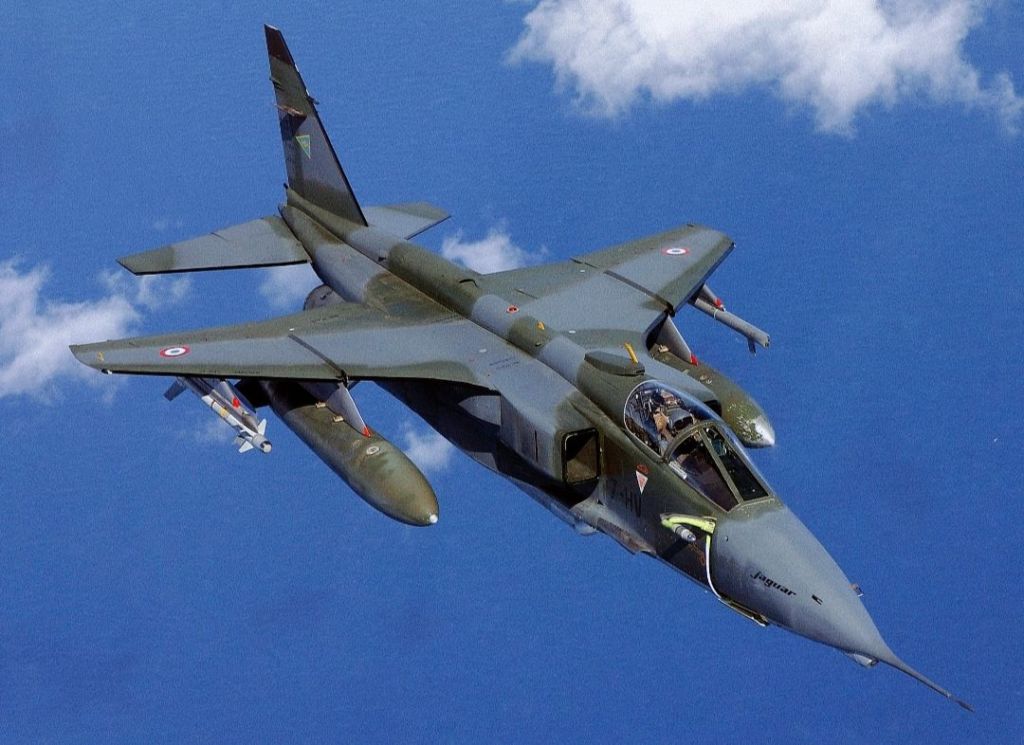
Let’s not pretend this was a freak incident. The same type of jet went down on April 2 and again on March 7. One led to a fatality; the others forced pilots to eject, scraping past death by inches. All three incidents shared eerie similarities: aging engines, mid-air malfunctions, and yet another family robbed of a loved one in uniform. The Jaguar, inducted into the IAF in 1979, has now become a flying museum exhibit with wings of rust, not glory.

Globally, the Jaguar was sent packing long ago. The UK, France, Oman—everyone pulled the plug. But not India. India clings to over 100 Jaguars, many powered by Adour engines infamous for their chronic reliability issues. Over 50 major incidents have plagued the fleet in 45 years. Why does India continue to fly what the world has grounded?
The answer lies in a lethal mix of bureaucratic inertia, underfunded maintenance, and a modernization timeline stuck in first gear. The IAF is operating at just 30 squadrons when 42.5 are sanctioned, yet delays in inducting Tejas Mk2 and Rafale jets have forced pilots into cockpits of geriatric aircraft that should’ve been phased out long ago. Worse still, the support systems—like spare part logistics and up-to-date simulators—are so underwhelming that even routine training exercises become calculated risks.
This isn’t just a logistical problem. It’s a moral failure. Pilots are dying in peacetime, not because they weren’t brave enough, but because the system wasn’t. There are no fast-track replacements, no AI-powered predictive maintenance like Israel and Singapore deploy, and no modern training protocols comparable to the U.S. Air Force, which retires aircraft after 25–30 years.
And what’s the official response? “Inquiries are underway.” That’s bureaucratic code for: “We’ll wait till the next one.” But waiting has consequences. Every hour these Jaguars stay airborne, the odds stack higher against the pilots inside them. Every “routine sortie” becomes Russian roulette.

Grounding the Jaguars immediately is not panic—it’s prudence. Begin with a full structural audit. Restore a pipeline for critical spare parts. Retrofit ejection systems to at least give pilots a fighting chance. Parallelly, fast-track Tejas Mk2 induction, collaborate with global defence tech leaders, and introduce AI-based maintenance diagnostics. This isn’t about prestige—it’s about lives. The IAF has the talent. It now needs the tools.
At stake isn’t just operational readiness—it’s India’s global defense credibility. A nation aspiring to be a global power cannot afford headlines that read like obituaries. Four pilots lost in a year is four too many. If fighter jets are crashing more in training than in battle, the real enemy isn’t across the border—it’s within.

Fix it. Before the sky falls again.
Visit arjasrikanth.in for more insights
 SOCIAL PERSPECTIVES