From Vadodara to Morbi, collapsing bridges reveal not just structural decay—but a deeper failure of governance, accountability, and the value we place on human life.
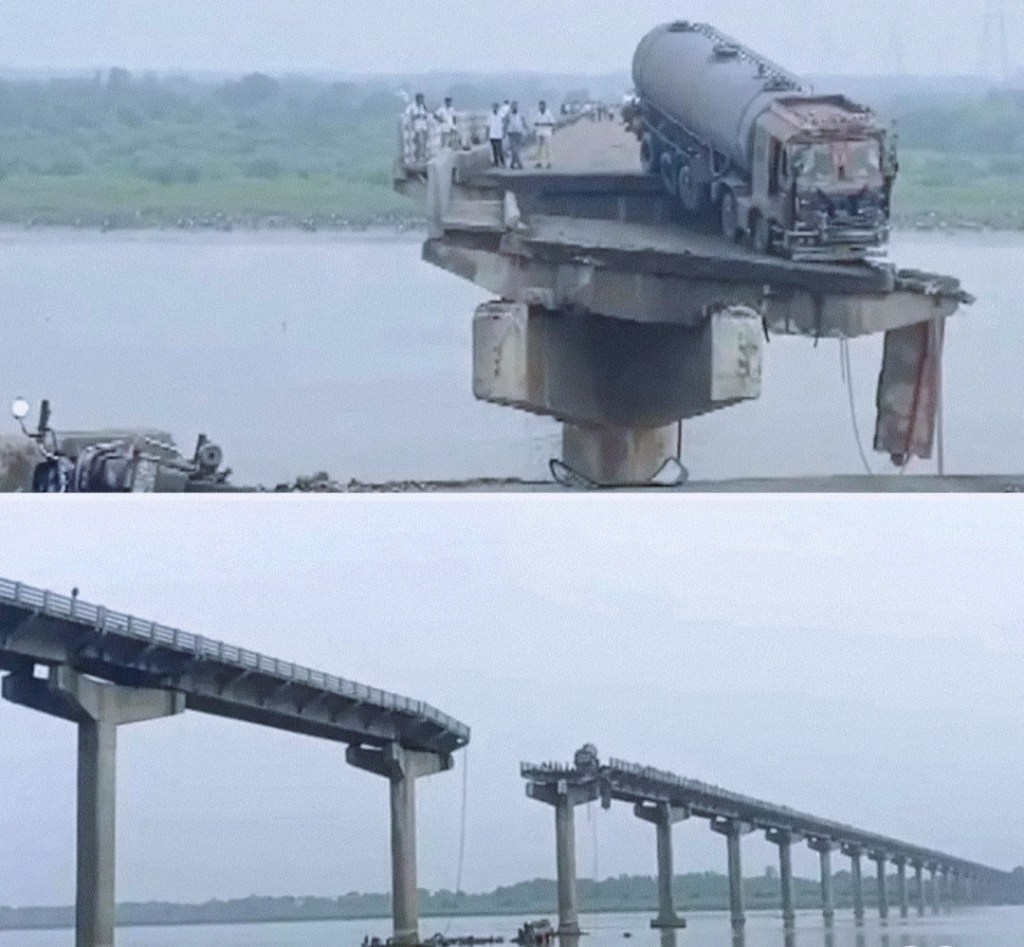
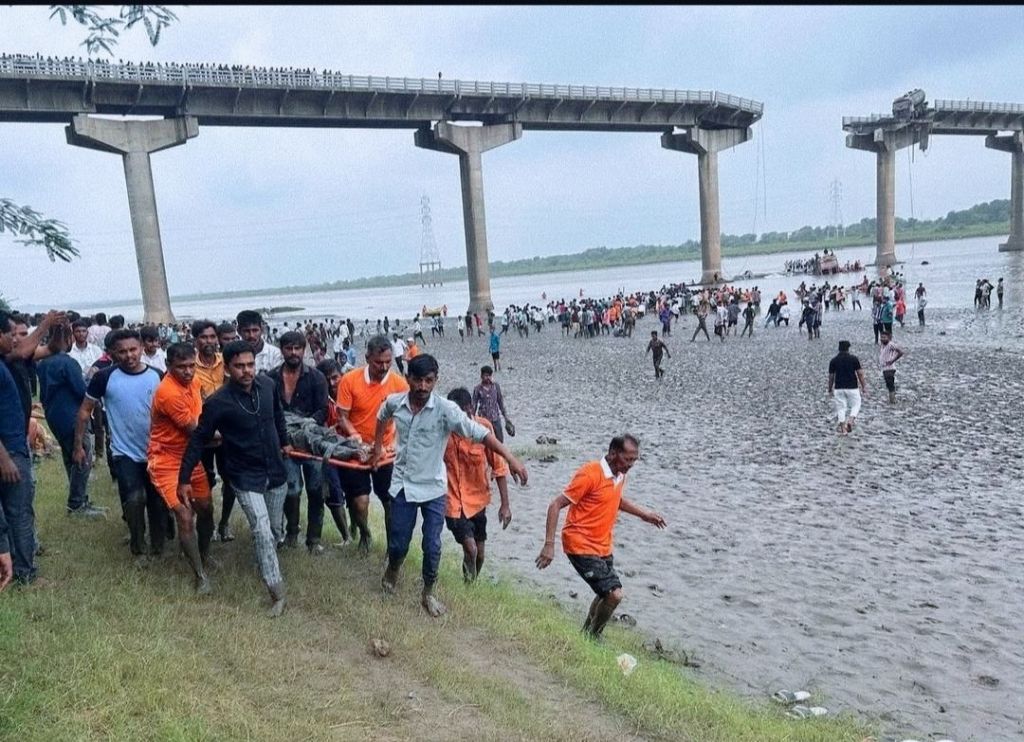
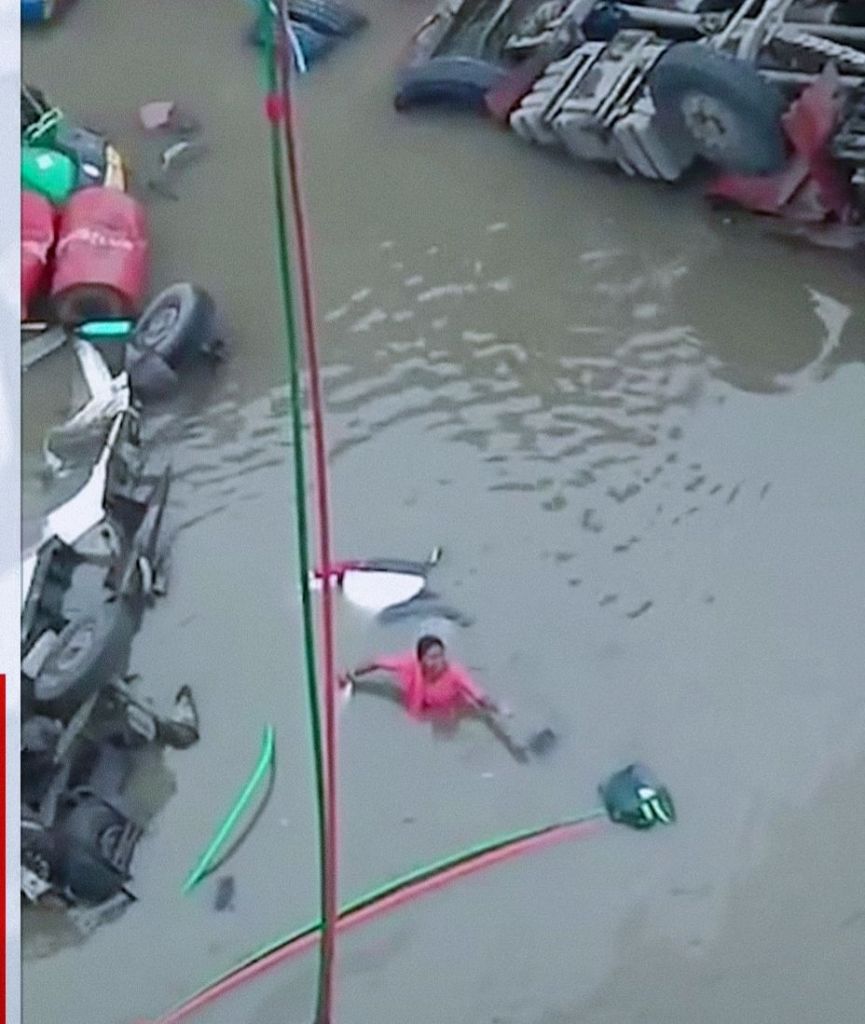
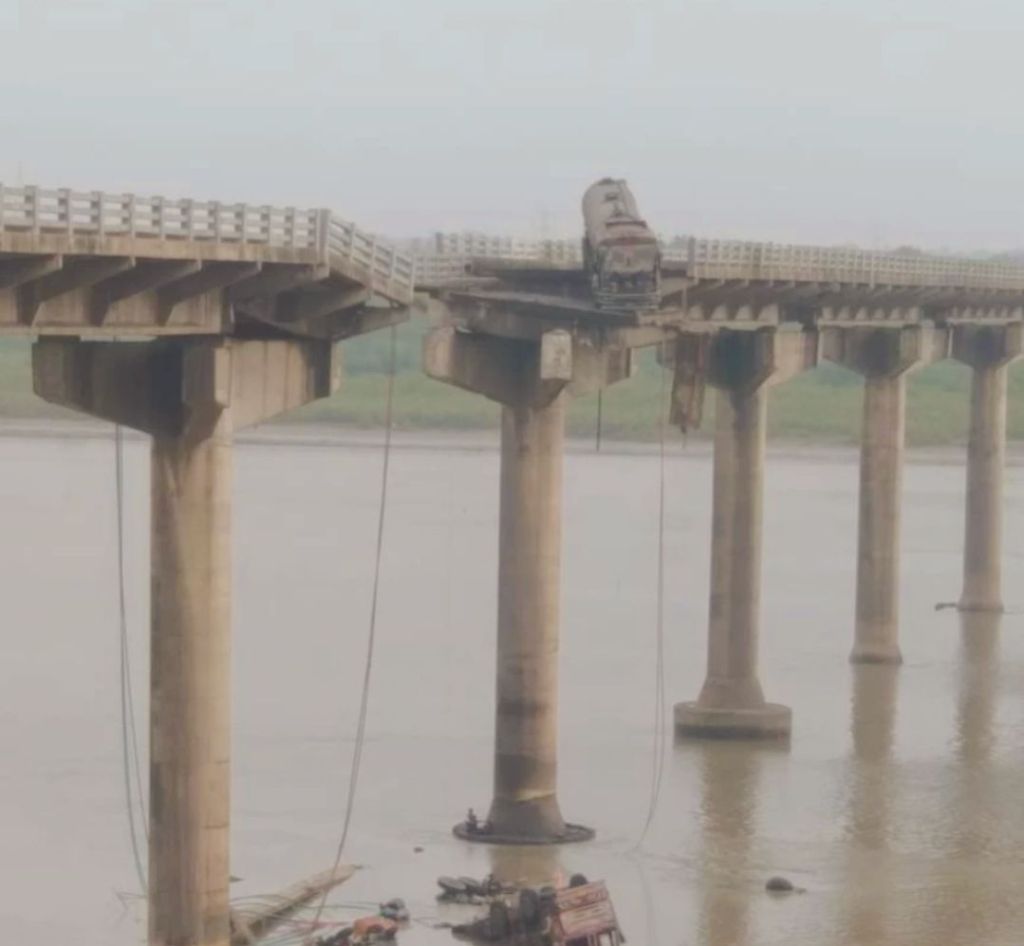
In a country where bridges are meant to symbolize progress, connection, and economic integration, their frequent collapse has come to represent something far more disturbing: the systemic failure of infrastructure governance, the erosion of public accountability, and the diminishing value of human life. The recent tragedy in Vadodara, Gujarat—where a section of the Gambhir bridge gave way, dragging vehicles and lives into the Mahisagar River—underscores a chilling truth. This was not merely an infrastructural failure; it was a collapse of trust, institutional vigilance, and basic administrative responsibility.

This particular bridge, allegedly repaired just last year, disintegrated without warning. That a structurally compromised bridge was allowed to reopen suggests either a complete breakdown in quality control or a wilful disregard for safety standards. The image of a mother screaming for her son in the aftermath is more than just a moment of personal anguish—it is an indictment of a system that has grown numb to tragedy.
Taxpayers do not merely fund infrastructure projects; they place their trust in them. When a bridge collapses, it is not just concrete and steel that fail—it is governance, oversight, and the promise of safety. The Vadodara bridge was referenced in an affidavit submitted to the Gujarat High Court in March 2023, part of a detailed enumeration of 461 bridges requiring regular inspection. The state had, on paper, established a comprehensive protocol for monitoring structural integrity—biannual inspections, safety audits, and certifications overseen by senior engineering officials. But as is often the case in Indian public administration, policy remains robust only until it is tested in practice. If those inspections were truly carried out, the tragedy raises an even more damning question: how effective were they?
This collapse is not an isolated event. It echoes the memory of Morbi in 2022, where a colonial-era bridge collapsed during Diwali celebrations, killing 135 people. That bridge had been reopened prematurely by a company with no expertise in infrastructure. Safety audits were skipped, cables were rusted, and crowd control was non-existent. The Special Investigation Team’s findings were unambiguous and severe—yet the broader system remained untouched. The public outcry waned, but the risks multiplied.
This recurring pattern—across Variyav, Hatkeshwar, Halvad—transcends administrative boundaries or political affiliations. It is not misfortune; it is malpractice. It is what happens when engineers raise concerns that go unheeded, when elected officials raise alarms that are dismissed, when judicial mandates are treated as paperwork rather than governance tools. Whether the bridge is fifty or a hundred years old is irrelevant. The Howrah Bridge, over eighty years old, still stands strong not because of its age but because of its maintenance. Infrastructure, like public health, demands continuous care—not episodic attention.
The politicization of tragedy has become a grotesque ritual. Each collapse is followed by a chorus of condolences, compensation announcements, and a cacophony of partisan blame. The debate quickly devolves into whataboutery—drawing false equivalences across states and administrations. “It happened in Bihar.” “It happened in West Bengal.” This rhetorical shell game serves only one purpose: to deflect and dilute accountability. But governance is not a comparative exercise. Public safety should not be compromised by political expediency.
The Gujarat High Court’s public interest directives were clear. Bridges were to be inspected by engineers of Deputy Engineer rank or higher, with findings reviewed by Chief Engineers. Parameters were laid down—load capacity, seismic resistance, and structural health. If such a protocol existed, how did a recently repaired bridge collapse? Either the guidelines were ignored or executed with dangerous incompetence. Both scenarios are unacceptable.
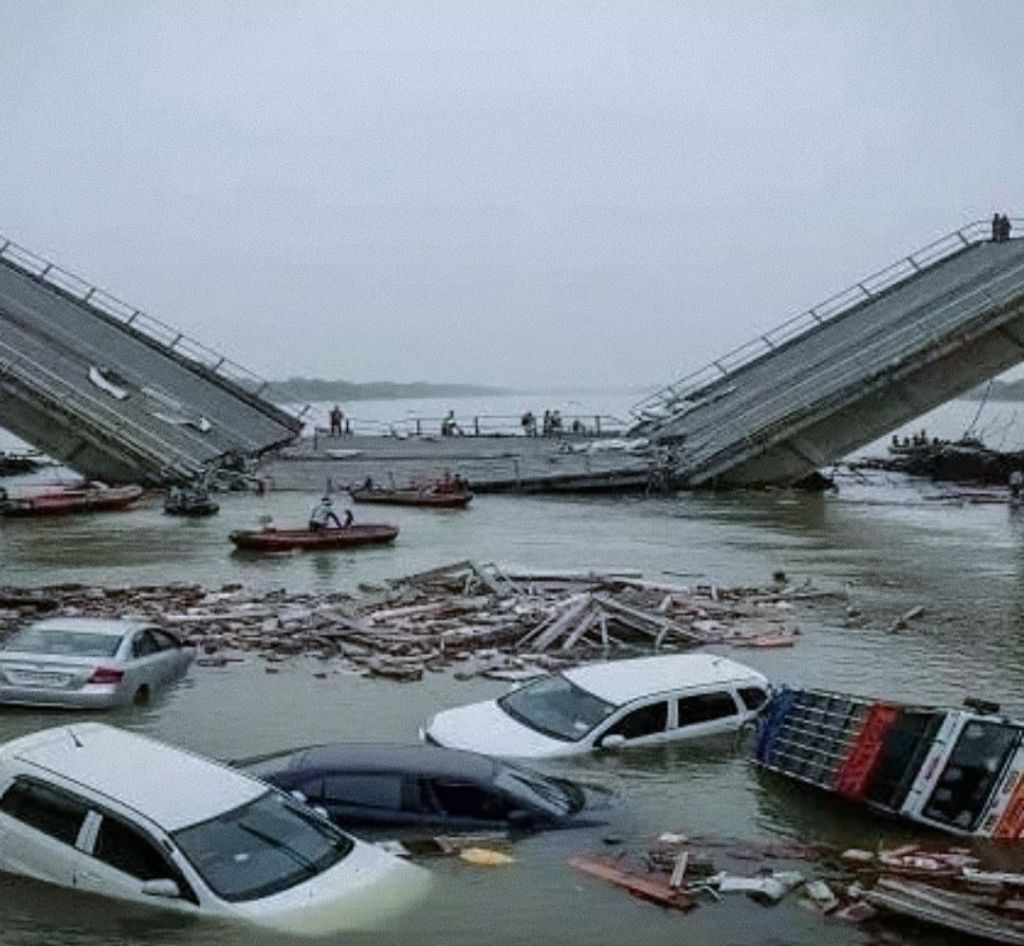
This is not a Gujarat problem. It is a national epidemic. From collapsed overbridges in Mumbai to snapped flyovers in Kolkata to failed railway bridges in Mizoram, the pattern is unmistakable. The failure lies in our institutions, in the awarding of contracts to unqualified vendors, in ignoring safety flags raised by civic bodies, and in allowing those in charge to remain unnamed and unpunished. The culture of accountability in public infrastructure is alarmingly inverted—where lower-level workers face the brunt while senior officials escape scrutiny.
Post-disaster response mechanisms, such as the quick mobilization of rescue teams in Vadodara, are commendable. But rapid response is not a measure of good governance—prevention is. A robust system is one where rescue operations are rendered redundant because disasters are averted in the first place. Until preventive systems are prioritized over post-facto optics, tragedies will repeat themselves with deadly precision.
Accountability must also be redefined. Punishing ground-level workers or subcontractors is not justice; it is scapegoating. If safety protocols were breached by private firms, their boards must be held responsible. If approvals were granted without due diligence, public officials must face suspension, inquiry, and prosecution. Without upward accountability, systemic reform will remain elusive.
There is, moreover, a painful irony in the disconnect between India’s futuristic ambitions and its present-day failures. While the nation speaks of smart cities, AI-driven governance, and a $5 trillion economy, the literal bridges that bind its people are crumbling. Infrastructure is not merely about capital expenditure—it is about stewardship. It is about recognizing that a bridge is not just a structure but a promise: that citizens can trust their government to safeguard their passage—both literal and metaphorical.
Until India treats infrastructure as a living system requiring constant care and oversight; until compliance is enforced with the same zeal as project deadlines; until governance means more than symbolic visits and soundbites—these collapses will continue. And each time, the sound of twisting metal will be accompanied by the cries of those whose only mistake was to believe they were safe.
Because in a country aspiring to leap into the future, no citizen should have to wonder whether crossing a bridge might be their last act of faith.
Visit arjasrikanth.in for more insights
 SOCIAL PERSPECTIVES