
A nation that sends rockets to Mars failed to channel rain off its streets—exposing the soggy truth of global disaster unpreparedness in the age of climate chaos.
As the United States reels from the devastation of recent flash floods in one of its largest and most developed states, a grim reality is laid bare: even the most resource-rich nations remain alarmingly vulnerable to natural disasters. What unfolded across this vast urban landscape was not just a regional calamity—it was a global warning shot. The delusion of preparedness has been shattered, and what remains is a sobering need for nations to reassess their approach to disaster management in an age of accelerating climate extremes.

Despite access to cutting-edge technologies and deep institutional capabilities, the infrastructure collapse and delayed emergency response in the aftermath of the flooding underscore systemic weaknesses. Aging drainage systems, inefficient coordination across governmental layers, and communities left unprepared despite prior warnings all point to an uncomfortable truth: resources alone do not ensure resilience.
This is not an isolated crisis. Around the world, the frequency and intensity of natural disasters—be they geological, meteorological, hydrological, or climatological—have surged to unprecedented levels. The $12 billion loss from 2023 floods in India and the tragic consequences of the 2010 Leh cloudburst are stark reminders that no region is immune. The devastating Gujarat earthquake of 2001 further illustrates how failure to enforce safety codes, despite having standards in place, can lead to immense human and economic loss.
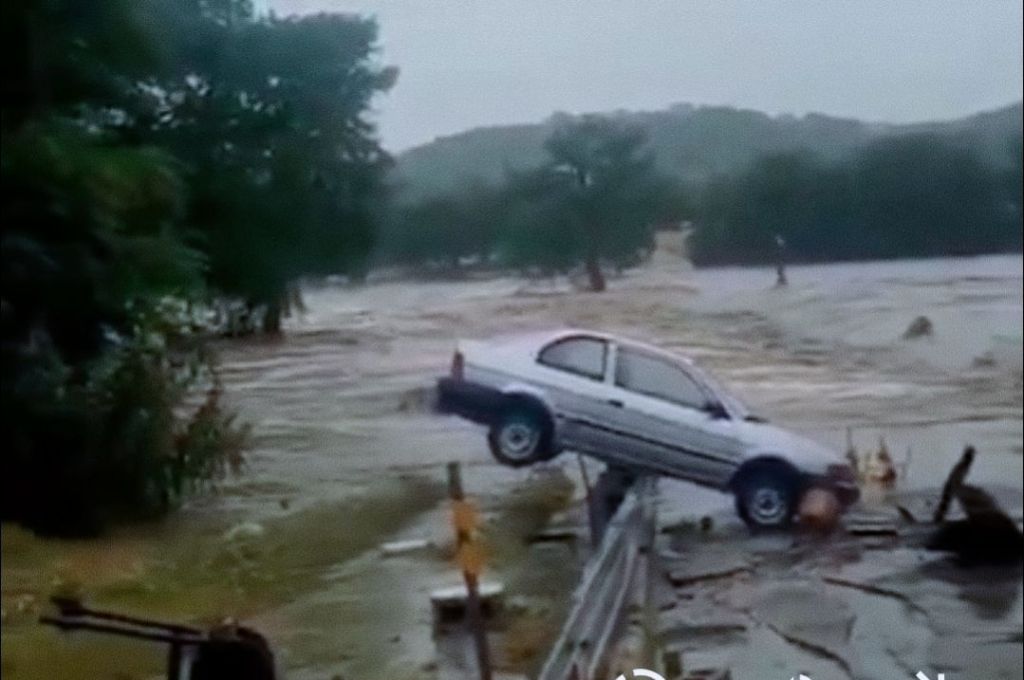
The fragility of infrastructure is one of the most glaring issues in disaster management. Roads turning into rivers, homes submerged within minutes, and the absence of critical flood barriers or public shelters expose how ill-prepared urban areas remain. In contrast, countries like Bangladesh have adopted exemplary cyclone preparedness programs—with community-based shelters and clear communication strategies—that have saved countless lives despite limited economic means.
Institutional fragmentation further exacerbates the problem. Whether in North America or Asia, disaster management often suffers from a lack of coordination between federal, state, and local agencies. The absence of real-time information sharing and coherent planning turns manageable crises into prolonged tragedies. While some countries continue to grapple with inefficiencies, others have demonstrated that cross-sectoral coordination, if well-executed, can be a powerful defense.

Community preparedness is another critical fault line. Nations such as Japan, where earthquake drills are embedded into public life, prove that grassroots awareness can save lives. Yet in many regions, disaster response remains reactive. Vulnerable groups—especially women, children, the elderly, and economically disadvantaged communities—bear the brunt of this oversight, suffering disproportionate consequences due to gaps in education, accessibility, and inclusion in planning processes.

Even where technological tools are available, their reach and reliability remain inconsistent. Early warning systems for floods, landslides, and storms are essential but often fail to reach remote or underserved populations in time. The Leh floods revealed how unexpected weather events can overwhelm even the most vigilant systems, while gaps in last-mile communication amplify the human toll.
Financially, too, disaster resilience is underfunded. While short-term relief funds are often mobilized swiftly, long-term mitigation and insurance coverage remain grossly inadequate. In India, more than 90% of disaster-related losses are uninsured, meaning millions of families are pushed further into poverty after each event. Developed nations must do better—not only for their citizens but in aiding global resilience through equitable partnerships, insurance models, and shared best practices.
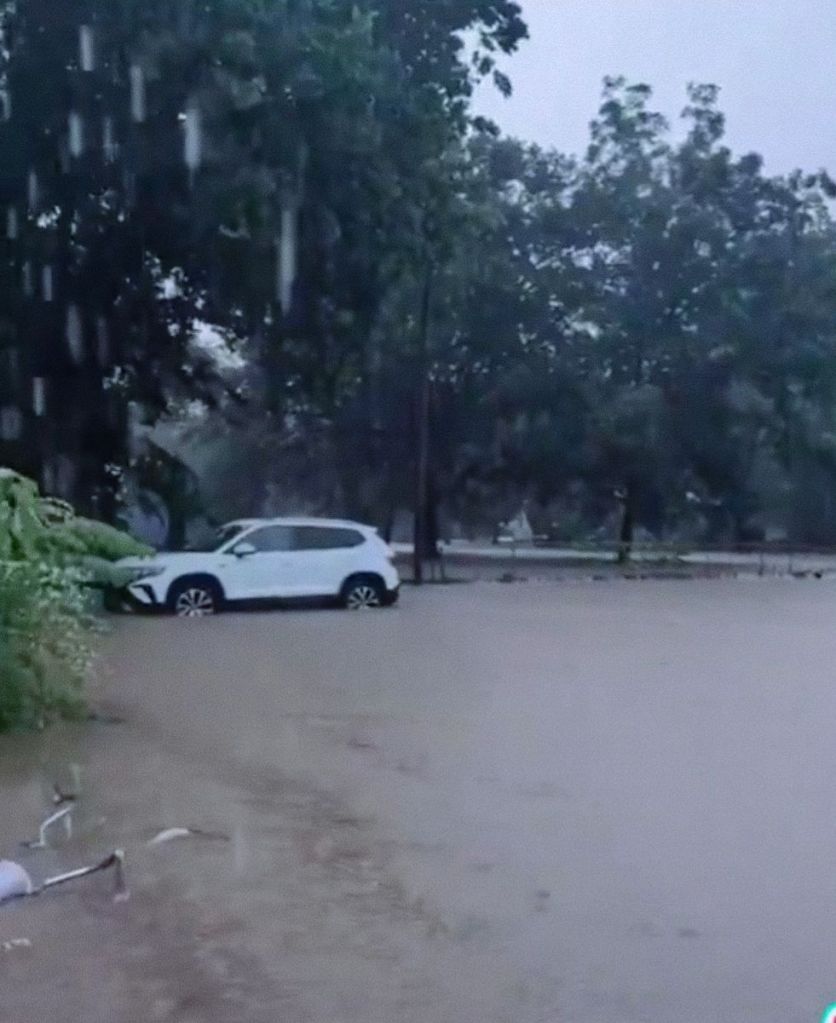
To create truly resilient nations, governments must embrace localized adaptation strategies inspired by global success stories. Bangladesh’s community-centric model, which leverages local volunteers and decentralized networks for early response, demonstrates how low-cost, high-impact strategies can significantly enhance disaster readiness. Tailoring such approaches to different national contexts, supported by strong institutional will, is crucial.
The need for systemic reform cannot be overstated. From investing in smart, sustainable infrastructure to strengthening early warning systems and promoting inclusive disaster education, there is no substitute for a proactive approach. Policy decisions must be guided by data, science, and empathy—not short-term optics. Disaster planning must become as central to national security as defense or healthcare.
The recent flooding in a U.S. state long believed to epitomize resilience was not just a local tragedy; it was a mirror reflecting global vulnerabilities. It forces a question that every nation must answer: Are we truly prepared, or simply hoping we won’t be next? The illusion of preparedness is no longer sustainable. The world must confront this era of escalating environmental peril with honesty, collaboration, and transformative action.
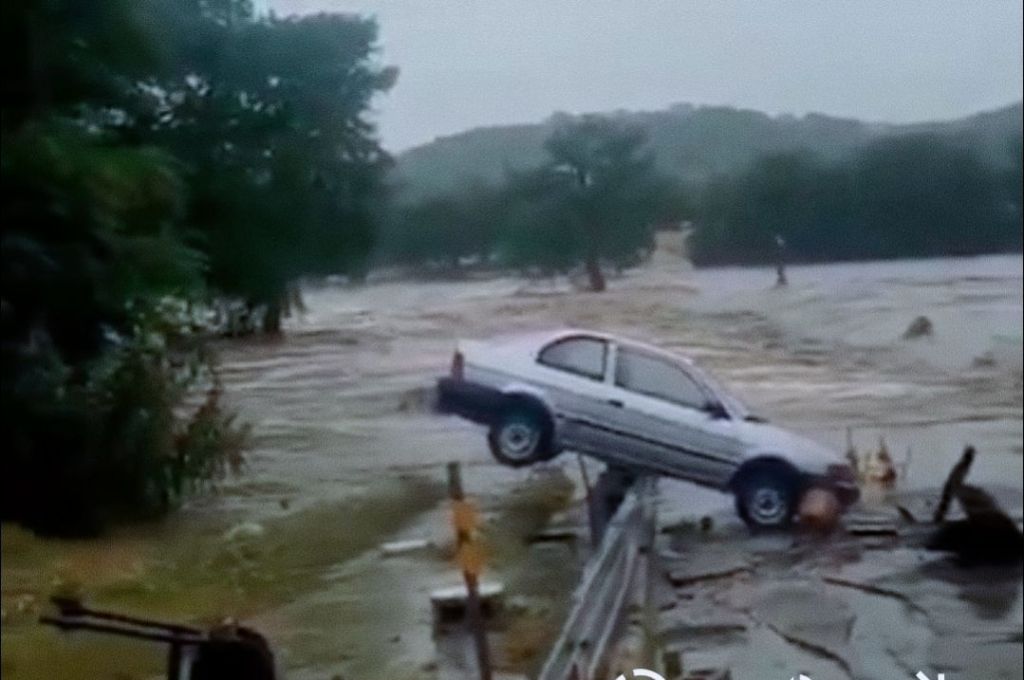
Only through collective resolve—spanning governments, institutions, and communities—can we hope to redefine what it means to be truly prepared. Because when nature strikes, it will not wait for us to catch up.
Visit arjasrikanth.in for more insights
 SOCIAL PERSPECTIVES