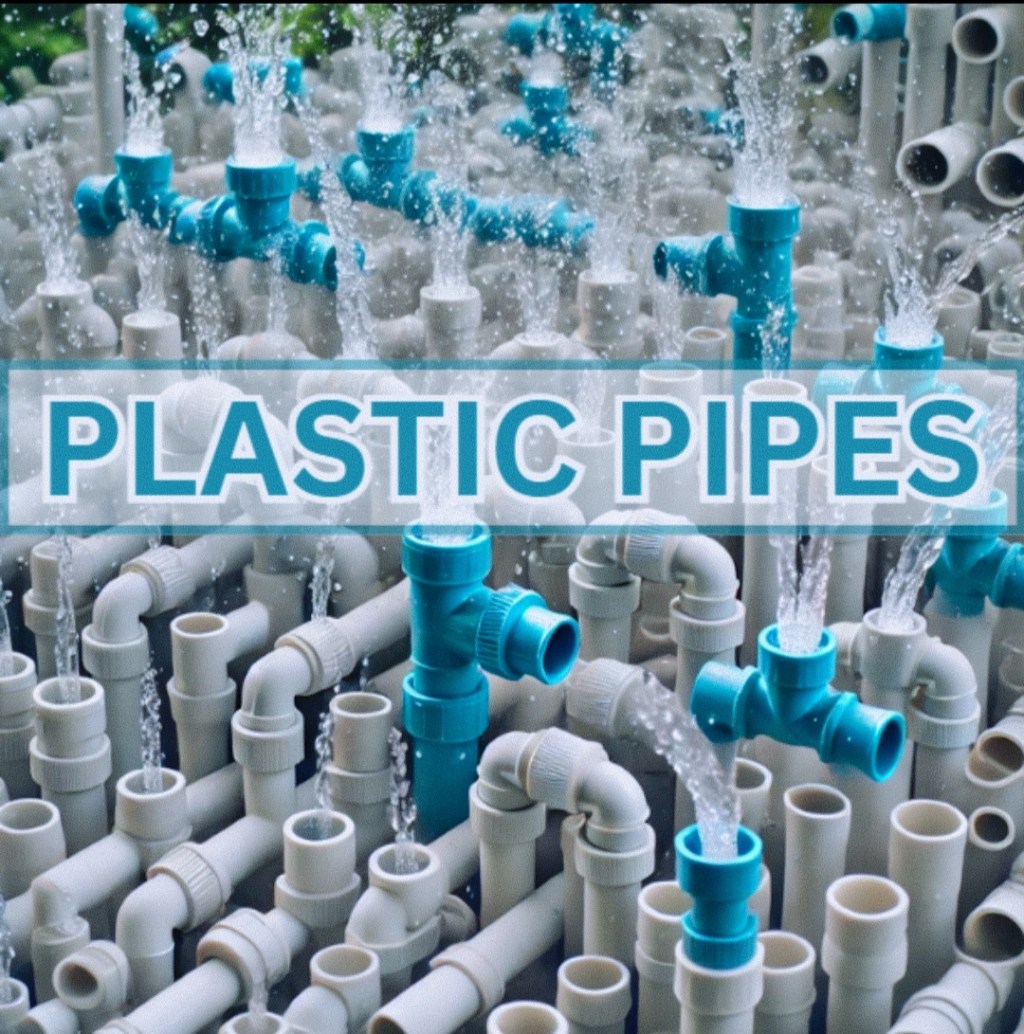
From salt flats to skyscrapers, India’s plastic pipe industry is engineering a silent upheaval—fueling farms, flushing cities, and forging a ₹2.72 lakh crore future in the most unexpected of ways.
In the chaotic symphony of India’s industrial growth, few sectors have orchestrated a transformation as profound—and as quietly powerful—as the plastic pipes industry. On the surface, a mundane product. Yet beneath lies a dynamic realm that connects salt pans to oil rigs, housing colonies to heartland farms. This evolution is far more than infrastructural—it’s economic, social, technological, and deeply strategic.
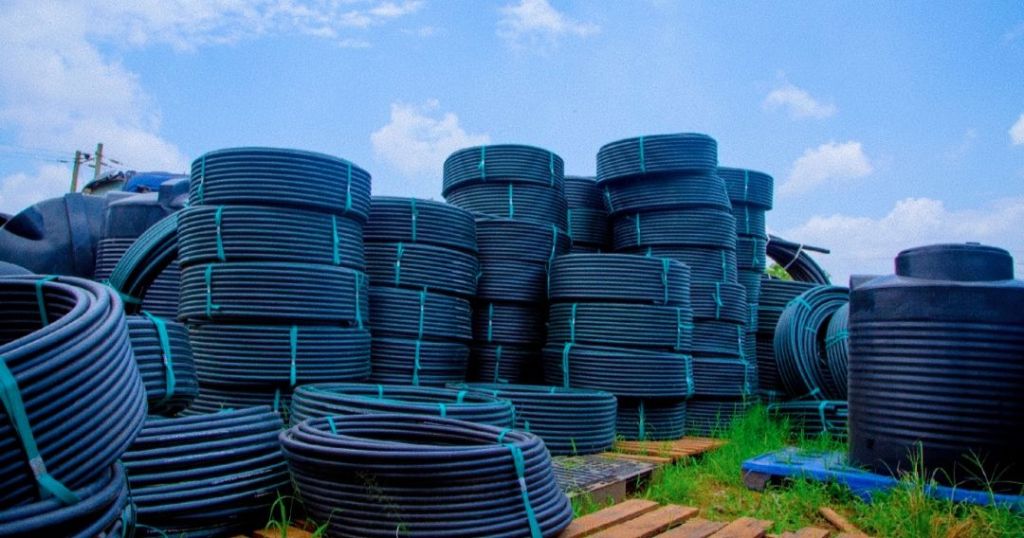
Traditionally fragmented and dominated by hyperlocal players with inconsistent quality, India’s plastic pipe industry has undergone a dramatic shift. What was once a low-margin, informal trade has matured into a ₹54,000 crore industry poised to surge past ₹80,000 crore by FY2027. This growth story is not simply about scale—it’s about structure. A polymer-powered metamorphosis is underway, knitting together the agrarian and urban threads of the country’s development narrative.
At the heart of this transformation is polyvinyl chloride (PVC)—a product of chemical ingenuity and industrial integration. Derived from a reaction between chlorine (sourced from salt) and vinyl chloride monomer (derived from crude oil), PVC resin forms the base of India’s pipe ecosystem. While most companies remain dependent on upstream giants such as Reliance Industries and Chemplast Sanmar for their resin needs, a few, like Finolex Industries, have invested in vertical integration. By manufacturing their own VCM and PVC resin, they shield themselves from supply volatility and margin pressures—a strategic edge in an industry prone to global crude price swings.

Others, like Supreme Industries, have leveraged scale, brand equity, and distribution to secure leadership positions. Supreme’s focus on high-quality compounding, precision molding, and an expansive dealer network has turned the company into a trusted name from metros to mandals. Meanwhile, Astral Ltd. has innovated by building loyalty among plumbers—the real brand gatekeepers in the residential segment—through training programs and reward systems that build stickiness and trust at the last mile.
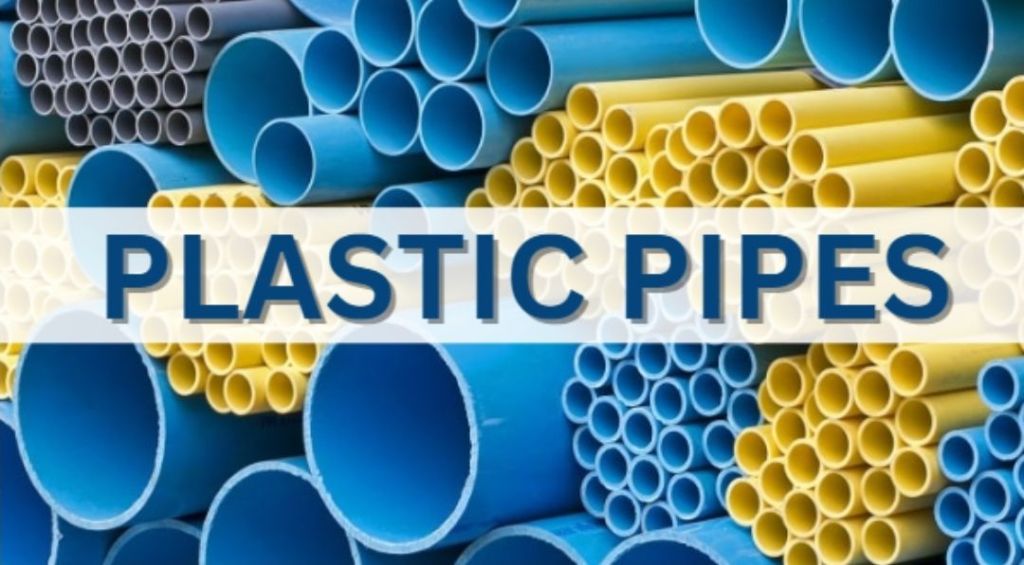
This sector’s resilience is further demonstrated in how it navigates macroeconomic volatility. Crude oil price fluctuations can severely impact input costs, but the ability to segment the market has cushioned the blow. Unplasticized PVC (UPVC) commands a dominant 64–65% market share, primarily serving irrigation and basic plumbing needs. Chlorinated PVC (CPVC), at 15–16%, caters to hot water applications and offers higher margins. High-Density Polyethylene (HDPE), with another 15%, finds favor in underground infrastructure like sewage and drainage systems. Polypropylene Random Copolymer (PPR), though niche at 4–5%, services premium housing and industrial applications.
The complexity of demand mirrors India’s developmental canvas. Agriculture accounts for nearly 45% of demand, with an increasing shift toward water-efficient irrigation through drip and sprinkler systems. Residential and commercial housing contributes around 39%, driven by urban expansion and pipe replacements. Infrastructure—roads, cities, and utilities—adds another 12%, and even in periods of subdued construction, the replacement market maintains industry momentum as galvanized iron and older PVC installations are phased out.
Much of this sustained growth owes itself to policy. Government initiatives such as the Jal Jeevan Mission, targeting piped water to every rural household by 2028, are game-changers. With 81% of the goal already achieved, the remaining 37 million households represent a robust pipeline of demand. Coupled with schemes focused on affordable housing, smart cities, and rural sanitation, public investment has created a rare synergy of policy intent and private execution.

Incorporating adjacent categories—like water tanks, adhesives, plastic fittings, and packaging films—the total addressable market balloons to a staggering ₹2.72 lakh crore. This has naturally attracted formal players and catalyzed market consolidation. From just 50% a decade ago, the organized sector now holds 70% of market share, with the top five companies alone controlling almost 40%. The advantages are clear: uniform quality, warranty-backed products, dealer confidence, and economies of scale that marginalize informal and substandard manufacturers.
Regulatory interventions have also provided critical support. The extension of anti-dumping duties on CPVC resin imports from China and South Korea until 2029 has given domestic manufacturers a competitive cushion. Players with in-house compounding capabilities or secure partnerships with local suppliers benefit from price stability and reduced forex exposure—key in maintaining healthy margins amid global turbulence.

This transformation, however, is not just statistical or strategic—it’s symbolic. Pipes are no longer passive components hidden behind walls or buried underground. They are silent arteries of India’s progress. From a borewell in Bhopal to a skyscraper in Mumbai, from the onion fields of Nashik to stormwater drains in Kochi, plastic pipes thread through every layer of Indian life.
This sector, once a poster child for informality and under-regulation, has emerged as a model for how traditional, low-tech industries can evolve into high-value, innovation-driven contributors to GDP. It combines chemical engineering with grassroots distribution, branding with policy alignment, and scale with customization.

As India charts its course toward a $5 trillion economy, the humble plastic pipe will remain an unlikely yet essential protagonist. Quietly and efficiently, it is shaping lives, livelihoods, and landscapes—providing the plumbing for both prosperity and progress.
In an era obsessed with AI, drones, and semiconductors, the plastic pipe reminds us that industrial revolutions are often carried by the unseen. This is not merely infrastructure. It’s the polyvinyl revolution—a polymer thread silently weaving through the aspirations of a rising India.
Visit arjasrikanth.in for more insights
 SOCIAL PERSPECTIVES