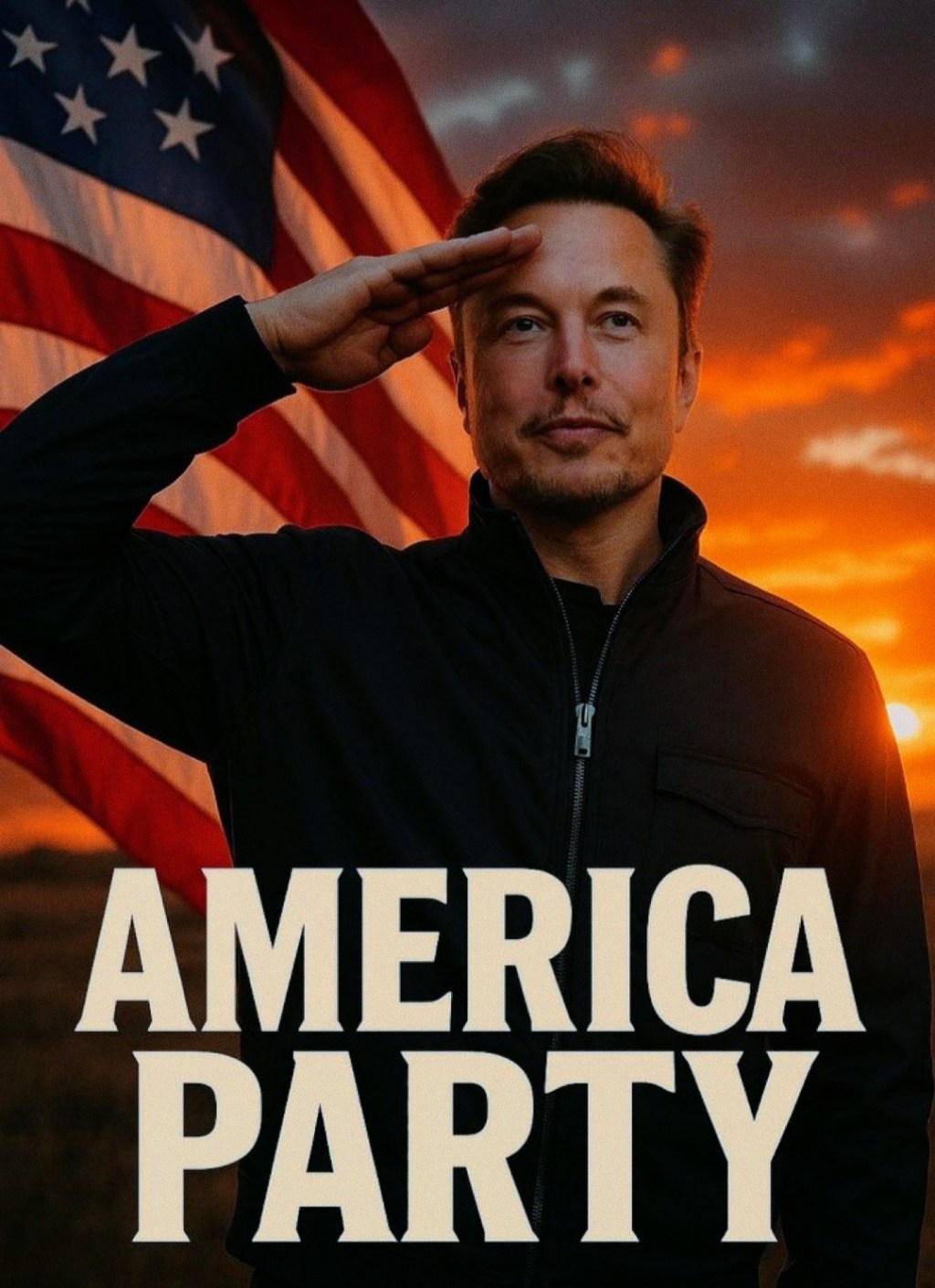
Elon Musk’s ‘America Party’ Shocks the System, Fractures Trump Alliance, and Plugs New Power into the U.S. Political Grid
On July 5, 2025, Elon Musk—entrepreneur, innovator, and now political provocateur—launched the “America Party”, signalling a bold departure from the traditional architecture of U.S. politics. This announcement followed a highly publicized rift with Donald Trump over fiscal policy, most notably Musk’s criticism of the so-called “One Big Beautiful Bill.” But beyond personality clashes, Musk’s pivot reflects a deeper undercurrent in American public sentiment: a demand for structural political reform. With 65% of 1.2 million Twitter poll respondents supporting the creation of a new third party, Musk has seized the moment to challenge the bipartisan status quo.

For decades, the United States’ political landscape has been shaped by a rigid two-party system. While Democrats and Republicans monopolize discourse, many citizens view the resulting duopoly as fertile ground for inertia and fiscal imprudence. The America Party, if strategically executed, could upend this dynamic. By targeting swing districts, Musk aims to introduce a swing bloc in Congress capable of influencing legislation—an unconventional strategy with potentially outsized impact.
Yet, the hurdles are formidable. Structural barriers such as state-specific ballot access laws, the winner-takes-all electoral system, and the constraints of the Electoral College stack the deck against new entrants. Unlike multiparty democracies such as Germany or India, where diverse political voices are institutionalized through proportional representation, the U.S. system discourages fragmentation and tends to punish political experimentation.
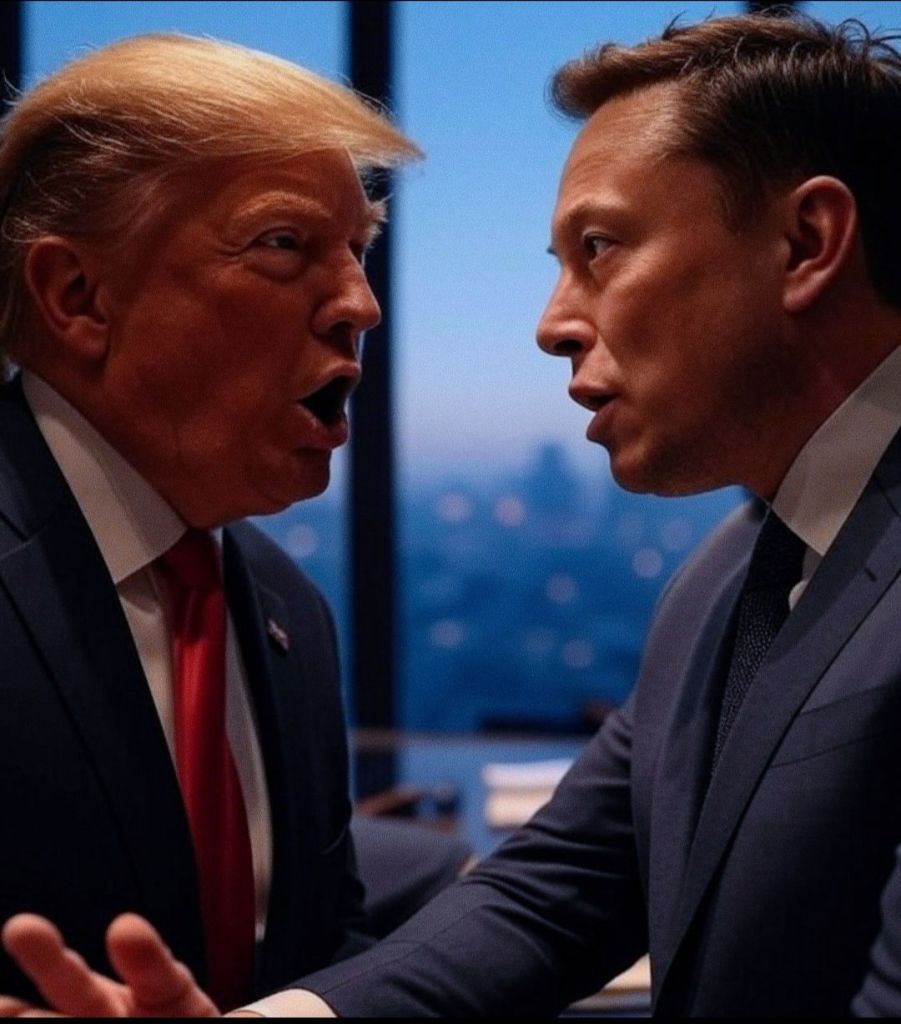
Nonetheless, the America Party’s rhetoric may appeal to disaffected fiscal conservatives frustrated by the GOP’s perceived financial laxity and to centrists alienated by escalating partisanship. Even without winning many seats, the party’s influence could manifest in shaping policy agendas, forcing traditional parties to recalibrate. In this way, it could act as a political catalyst rather than a direct contender for power.
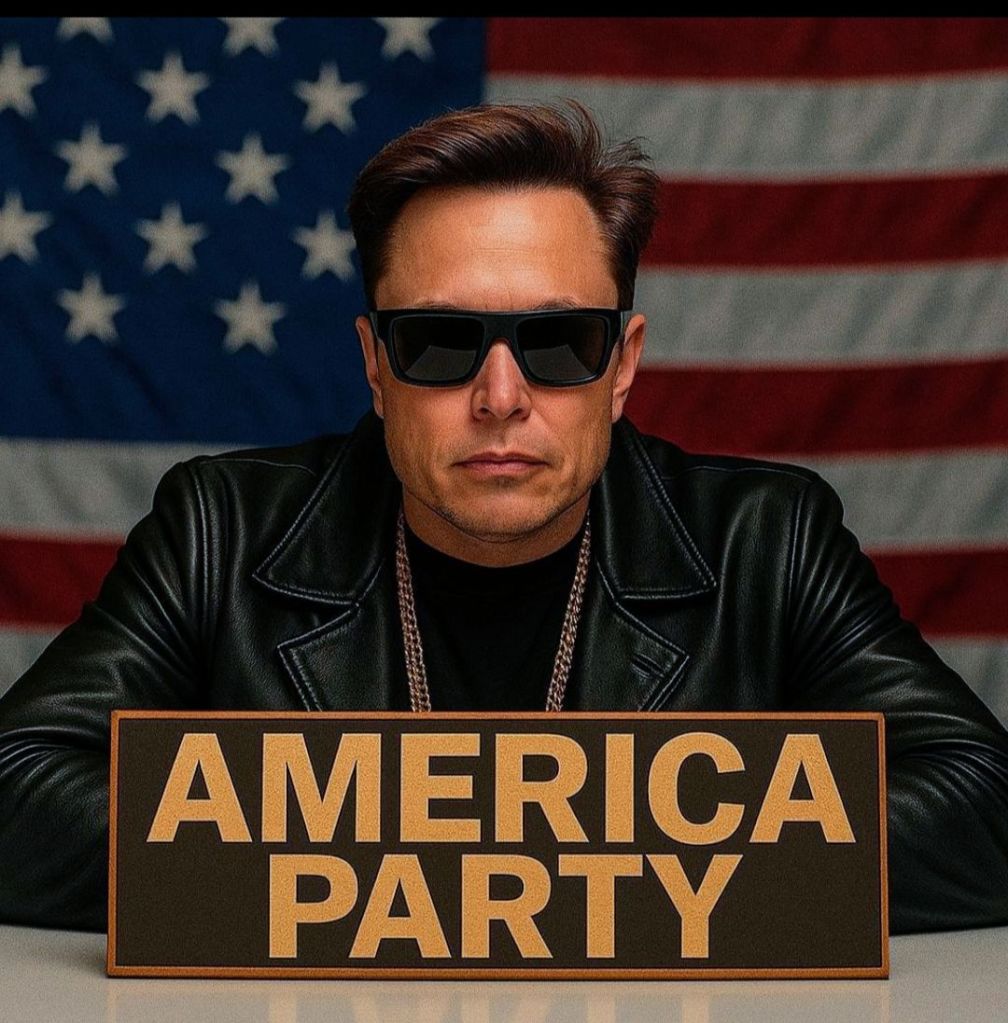
Historical and international precedents offer instructive parallels. In Canada, the New Democratic Party (NDP) rose from fringe status to a kingmaker in coalition governments by building local credibility and mobilizing grassroots support. Similarly, in India, regional parties with modest electoral bases exert disproportionate influence on national coalitions. These models suggest that success for the America Party may lie in a bottom-up strategy—focusing on local and state-level offices before attempting systemic overhaul.
Still, the America Party’s viability depends on more than celebrity and populist sentiment. It must craft a coherent policy platform, establish robust organizational infrastructure, and contend with voter tribalism deeply entrenched in American political behaviour. Electoral reform, especially the adoption of ranked-choice voting, could significantly enhance its prospects by mitigating the spoiler effect that traditionally undermines third-party bids.

In essence, Musk’s America Party represents both a challenge to and a test of the American democratic system’s elasticity. Will it become a transformative force capable of redefining governance norms, or will it collapse under the weight of institutional inertia and electoral math? While the 2026 midterms may offer early indicators, its true legacy will hinge on long-term strategy, grassroots engagement, and the country’s appetite for political reinvention.
Visit arjasrikanth.in for more insights
 SOCIAL PERSPECTIVES