From Drought Narratives to Development Blueprints—Engineering Resilience, Wealth, and Agro-Enterprise in Southern India’s Forgotten Fertile Frontier-Rayalaseema
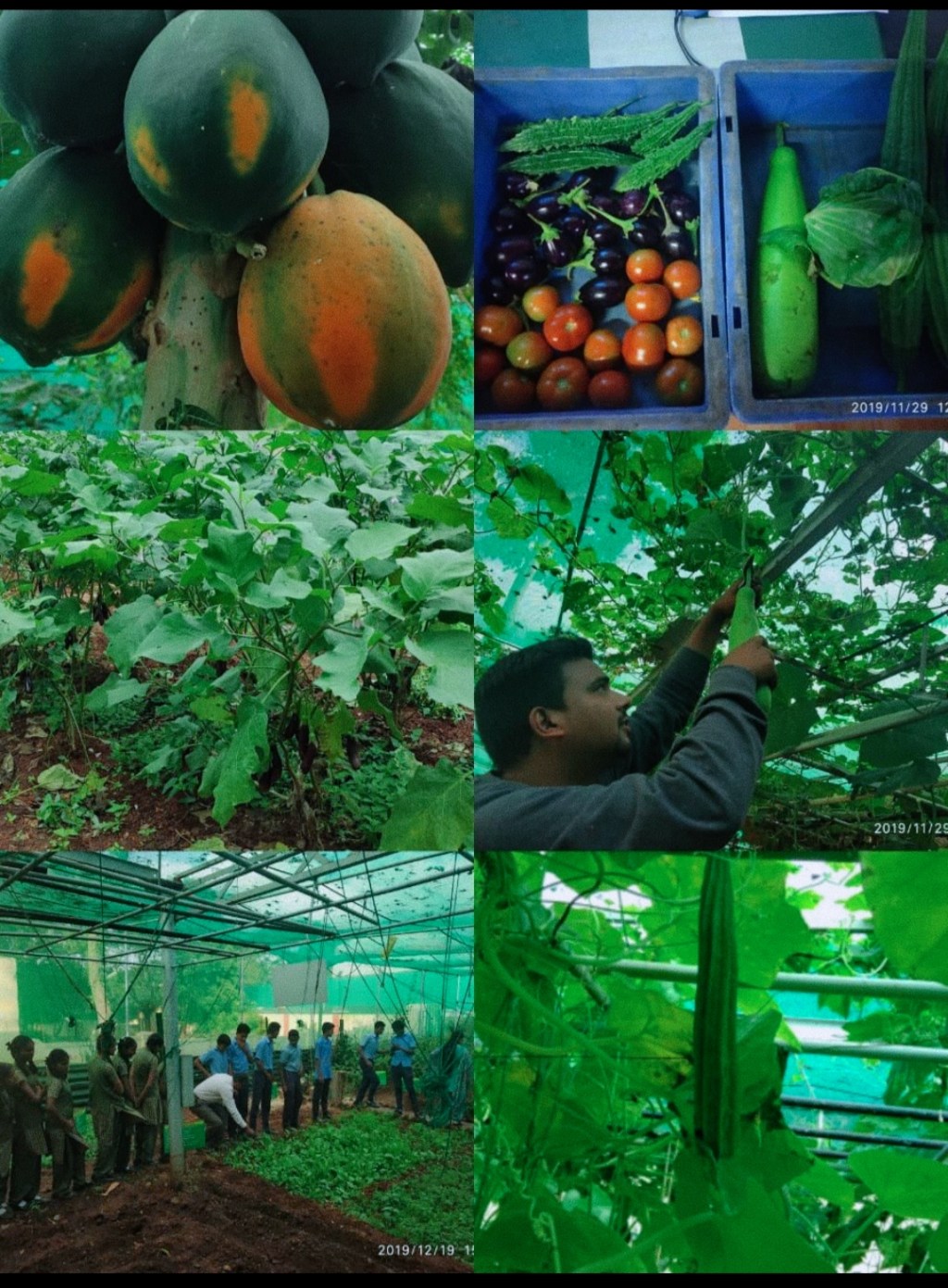
In a national landscape where arid regions have been transformed into thriving centres of economic activity through well-calibrated policy and infrastructure interventions, Rayalaseema continues to stand at the periphery of agricultural modernization. Despite its rich endowments, the region—comprising Anantapur, Chittoor, Kadapa (YSR), and Kurnool districts—remains an underutilized horticultural asset. It holds an enviable agro-climatic profile that supports the cultivation of high-value crops such as mango, banana, papaya, sweet orange, tomato, and chilli. Yet, Rayalaseema’s contribution to India’s rapidly evolving horticultural value chain remains marginal, fragmented, and poorly integrated into national markets.

Kurnool alone accounts for over 117,000 hectares under horticulture, producing more than 2.1 million metric tonnes annually. This scale underscores the region’s productive potential, but a closer analysis reveals a structural problem: nearly one-third of this output is lost post-harvest. This is not merely an issue of supply chain inefficiency but a deeper systemic failure—rooted in the absence of cold chains, ripening chambers, packhouses, and agro-processing clusters. These gaps translate into suppressed farmer incomes, underemployment, and the erosion of rural economic resilience.
While policy frameworks such as the Mission for Integrated Development of Horticulture (MIDH) offer substantial subsidies for micro-irrigation, polyhouse cultivation, and infrastructure development, the uptake in Rayalaseema remains sporadic. Less than 40% of horticultural acreage is currently covered by efficient irrigation technologies like drip and sprinkler systems—an anomaly in a region frequently plagued by drought and groundwater scarcity. The weak interface between government schemes and ground-level beneficiaries results in a chasm between potential and performance.
Lessons from other states provide a valuable comparative lens. In Maharashtra, small farmers using polyhouse technology to grow capsicum and cucumber report annual incomes reaching ₹15 lakh per acre. Gujarat has developed a robust ecosystem around protected cultivation and precision farming, which has spurred the emergence of rural agri-entrepreneurs. Tamil Nadu, through its Farmer Producer Organizations (FPOs), has created inclusive market mechanisms that bypass traditional intermediaries, ensuring fairer price realization and market access. Rayalaseema possesses the natural conditions to emulate such success stories, but success hinges on coherent policy execution, robust financial backing, and institutional coordination across departments.

Encouraging signals of progress have started to emerge. MIDH is beginning to see traction in protected cultivation projects, and pilot initiatives in Tirupati and Annamayya districts have shown that rural IT-driven agri-logistics models can work. Additionally, isolated clusters of ultra-high-density mango orchards in Kurnool and nascent cold chains demonstrate the technical and economic feasibility of horticultural transformation. However, these efforts remain isolated, lacking the scale and convergence required for systemic impact.
To catalyze a horticultural revolution in Rayalaseema, the first priority must be water security and efficiency. Completing pending irrigation projects such as Handri-Neeva and Galeru-Nagari, and mainstreaming solar-powered micro-irrigation systems, would ensure stable water access while addressing sustainability imperatives. Infrastructure for post-harvest management is the next critical intervention. National Centre for Cold-chain Development (NCCD) data suggests that Rayalaseema needs a minimum of 72 cold storage units, ripening chambers, and at least two agro-processing parks to plug current infrastructure deficits. Public-Private Partnership (PPP) models, particularly in districts like Anantapur where tomato and mango production is high, can accelerate this process.
Empowering farmers through collective institutional platforms is equally essential. The formation of at least 50 high-capacity FPOs would create the scale required for contract farming, e-NAM participation, and shared access to storage and processing infrastructure. This would mitigate market volatility and improve price realization. Furthermore, given the region’s susceptibility to climate extremes, promoting climate-resilient crops such as drought-tolerant varieties of onion and tomato, alongside the introduction of weather-indexed insurance products, would mitigate risk and stabilize incomes.
Human capital and knowledge dissemination must be foundational to this transformation. Establishing regional Centres of Excellence through Krishi Vigyan Kendras and state agricultural universities can serve as training hubs for best practices in horticulture, covering precision farming, integrated pest management, and global certification standards for exports. Without such knowledge networks, technology adoption will remain uneven and limited to isolated pockets.
Financial support systems also require recalibration. The current allocation of ₹218 crore under MIDH for Rayalaseema is insufficient given the scope of interventions required. Targeted subsidies must be introduced for emerging needs—solar dryers, mini food labs, mobile cold chains, traceability tools, and digital agri-platforms. These investments will not only enhance productivity but create a thriving ecosystem of ancillary industries, including logistics, marketing, agri-tourism, and women-led microenterprises.
Horticulture today is not just a sectoral priority—it is a transformative lever for inclusive rural development. In a region like Rayalaseema, where agriculture is not just a livelihood but a lifeline, horticulture offers a pathway to reinvention. It has the potential to elevate household incomes, generate non-farm employment, diversify regional economies, and mitigate the socio-economic vulnerabilities induced by climatic volatility.
Empirical evidence is already demonstrating that transformation is possible. The convergence of cold chain pilots in Kurnool, precision farming in Annamayya, and solar irrigation in select mandals shows readiness for scale. What is required now is an integrated, mission-mode approach that brings together line departments, financial institutions, civil society, and private players. The transformation of Rayalaseema need not be a utopian ideal; it can be a strategically engineered outcome.

Too often dismissed as arid, backward, or drought-stricken, Rayalaseema is in fact a fertile corridor of untapped opportunity. It is not a region waiting for miracles—it is a geography demanding mission-oriented execution. With the right alignment of intent, investment, and innovation, Rayalaseema can emerge as India’s next horticultural powerhouse. From its sun-scorched soils can rise not just produce—but prosperity, purpose, and progress.
Visit arjasrikanth.in for more insights
 SOCIAL PERSPECTIVES