
Tradition, Tech, and TikTok Are Shaping a $3.5 Billion Beauty Boom
In the dynamic tapestry of India’s skincare sector—where ancient tradition converges with modern science—a silent revolution is redefining the contours of beauty and wellness. As a $3.5 billion industry poised for a 10–12% compound annual growth rate (CAGR) over the next five years, the skincare market is evolving into a multi-dimensional space that reflects aspiration, identity, and socio-cultural transformation. It is no longer merely about external appearance but an extension of self-care, well-being, and empowerment.

The Indian skincare market is distinguished by its broad spectrum of offerings, ranging from functional products such as cleansers, moisturizers, and sunscreens to high-end, globally recognized luxury labels including Kiehl’s, Estée Lauder, and Clinique. Yet, amidst this diversity, there is a distinct pivot: consumers are increasingly gravitating toward natural, Ayurvedic, and organic formulations. In this regard, legacy brands like Himalaya, Dabur, and Patanjali have emerged as frontrunners, capturing a demographic seeking chemical-free, holistic skincare rooted in indigenous knowledge systems.
This transformation is driven by a complex interplay of demographic, digital, and socio-economic variables. Social media platforms—particularly Instagram, YouTube, and emerging regional content apps—play a pivotal role in cultivating beauty consciousness. The influence of digital content creators, dermatologists-turned-influencers, and brand ambassadors like Katrina Kaif (Kay Beauty) and Deepika Padukone (Neutrogena) has democratized access to skincare narratives, bridging the gap between aspirational luxury and everyday utility, especially among urban Indian women aged 18 to 35.
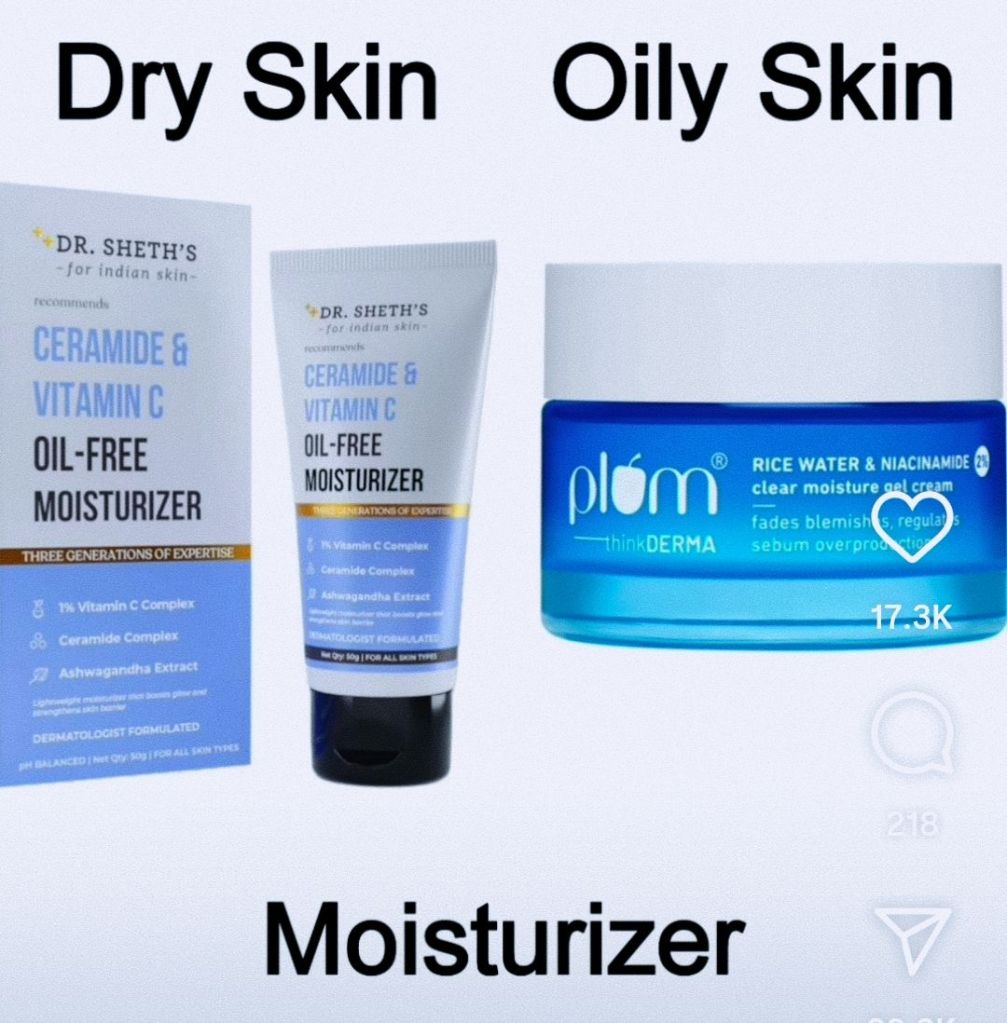
Parallelly, the male grooming segment is witnessing unprecedented momentum. Brands like Beardo, The Man Company, and Bombay Shaving Company are redefining masculinity by normalizing skincare for men. As disposable incomes increase and digital literacy expands in Tier 2 and Tier 3 markets, the demand for both premium and international skincare products is accelerating, signalling a shift toward more informed, experimental, and value-driven consumption.
However, this expansion is not without structural challenges. India’s diverse climatic zones—from the dry heat of Rajasthan to the humid coasts of Kerala—necessitate region-specific formulations. Brands are expected to deliver differentiated solutions that address localized skin concerns, such as hyperpigmentation, acne, sun damage, and pollution-induced aging. Moreover, price sensitivity remains a fundamental market constraint. While urban metros are embracing high-margin, premium products, a significant share of demand in smaller towns still revolves around the ₹100–₹500 price bracket. Consequently, balancing accessibility with efficacy remains a key challenge.
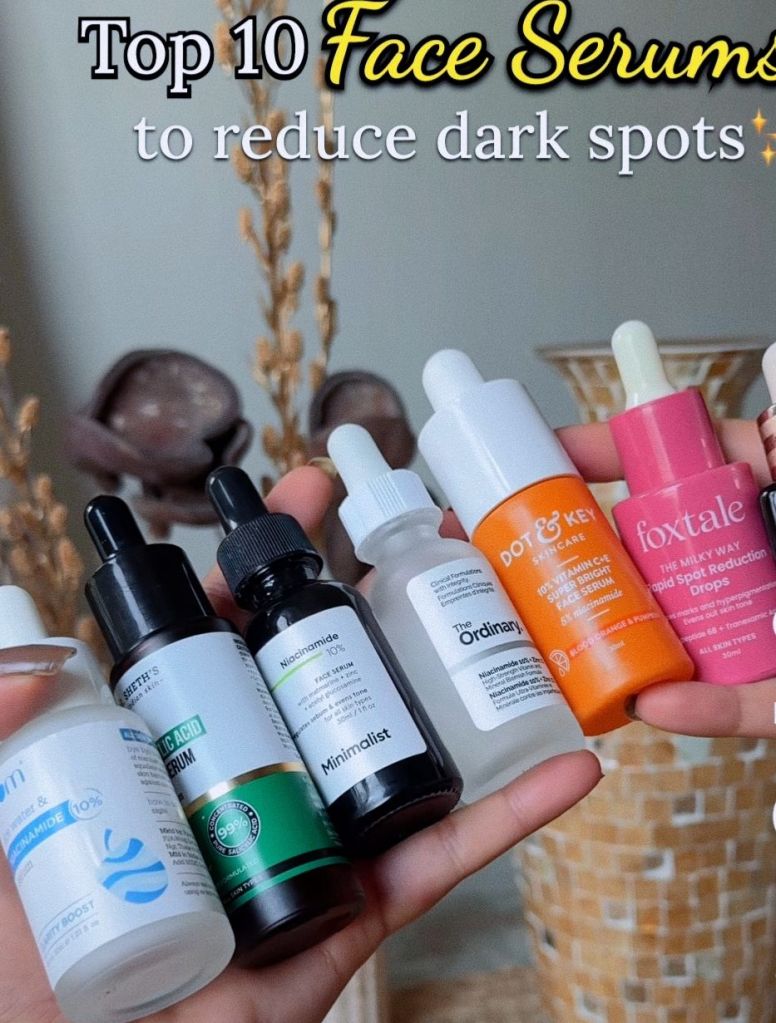
Regulatory oversight and market governance further complicate the operating landscape. The need for compliance with standards set by BIS (Bureau of Indian Standards), CDSCO (Central Drugs Standard Control Organization), and Ayush Ministry has grown more pressing, especially with the emergence of hybrid Ayurvedic-cosmeceutical products. Recent scrutiny over fairness creams and misleading advertisements underscores the ethical and legal imperatives that brands must navigate to maintain consumer trust and compliance integrity.
In response, strategic innovation is emerging as the cornerstone of market differentiation. A digital-first marketing approach—including search engine optimization (SEO), influencer-driven storytelling, content-rich campaigns, and platform-native video tutorials—is critical to brand visibility and engagement. Regional language content and vernacular storytelling are no longer optional but essential tools for expanding rural and semi-urban reach.
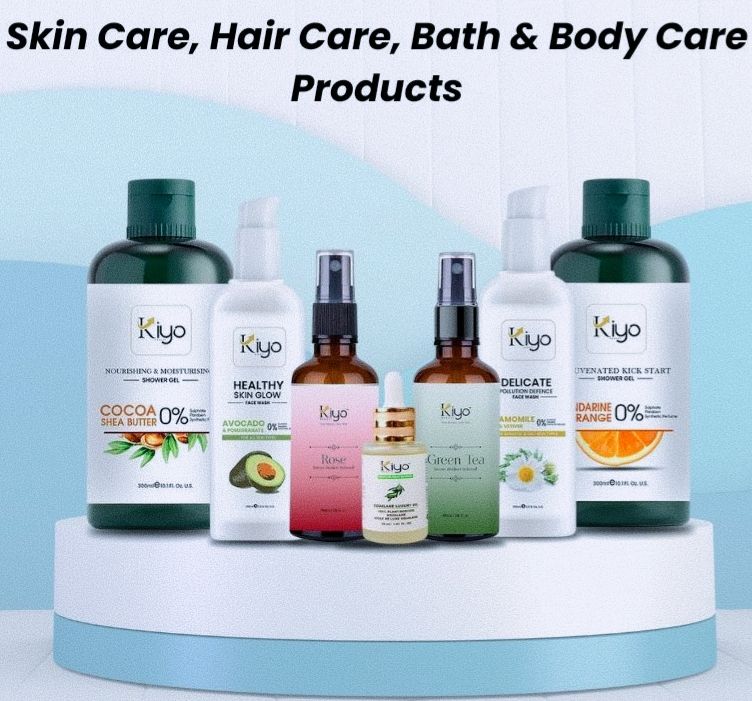
In addition, technological personalization is reshaping consumer engagement. AI-enabled skin diagnostics, recommendation engines, and virtual try-on tools offer tailored experiences that elevate customer satisfaction and drive brand loyalty. Brands investing in data-driven personalization are better equipped to respond to shifting consumer expectations and skin health trends.
Another defining trend is the emphasis on sustainability and ethical consumption. Today’s consumers, especially Gen Z and millennials, are aligning themselves with brands that demonstrate transparency, environmental stewardship, and cruelty-free practices. The integration of biotech innovations with Ayurvedic formulations—for example, plant stem cell technology or probiotic skincare—has the potential to revolutionize efficacy while remaining true to cultural authenticity.

Looking ahead, the growth frontier lies in Tier 3 and rural markets, where the penetration of skincare remains nascent. Introducing affordable, miniaturized product formats, distributing through kirana-tech channels, and leveraging government-backed MSME schemes can help tap into this latent demand. Furthermore, the teenage and male skincare segments represent high-potential, under-served demographics awaiting customized product development and communication strategies.
In conclusion, the Indian skincare industry is no longer a passive subset of the beauty sector; it is an autonomous, rapidly expanding domain that reflects the aspirations of a changing India. Brands that can combine scientific credibility, cultural resonance, and ethical innovation will define the next era of skincare. By addressing regulatory nuances, investing in sustainability, and championing inclusivity, the industry can fulfil its promise not just of radiant skin, but of a radiant future rooted in consumer trust and technological excellence. The transformation is underway—and its glow is unmistakable.
visit arjasrikanth.in for more insights
 SOCIAL PERSPECTIVES