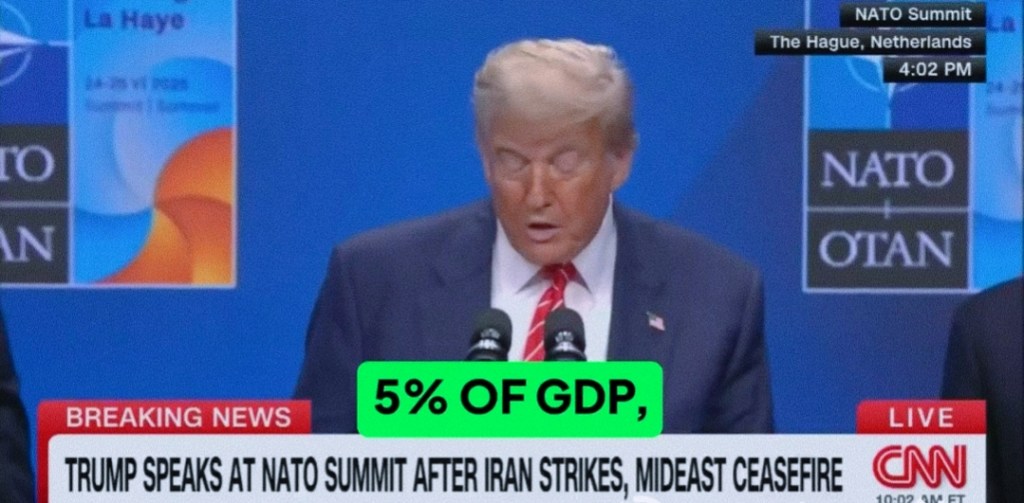
NATO’s Bold Gamble: A 5% Leap into the Future of Défense Spending
The NATO Summit convened in The Hague on June 23, 2025, marked a significant evolution in the alliance’s defence strategy, with leaders collectively endorsing a new target of allocating 5% of their Gross Domestic Product (GDP) to defence spending by 2035. This decisive move represents a dramatic escalation from the previous 2% benchmark set during the 2014 Wales Summit, reflecting the urgent need to address a rapidly changing geopolitical landscape characterized by heightened security threats, particularly from Russia.
The 5% target comprises two distinct components: 3.5% dedicated to traditional military expenses, including personnel, equipment, and logistics, while the remaining 1.5% is earmarked for broader defence and security-related investments. This latter category encompasses essential infrastructure enhancements, such as the adaptation of transportation networks for military use, the fortification of cyber defences, and the protection of critical energy pipelines. By delineating these components, NATO adopts a comprehensive approach to modern warfare that addresses both conventional military capabilities and the multifaceted nature of contemporary hybrid threats.

The impetus for this substantial increase in defence spending can be traced to the ongoing conflict in Ukraine and the aggressive posture adopted by Russia along NATO’s eastern borders. With reports indicating that Russia allocates 7.1% of its GDP to defence, NATO Secretary-General Mark Rutte has issued stark warnings regarding the potential for military aggression from Moscow within a five-year timeframe. This precarious situation has compelled European nations to reassess their defence readiness and prioritize military investments, signalling a collective understanding that the status quo is insufficient for ensuring security.
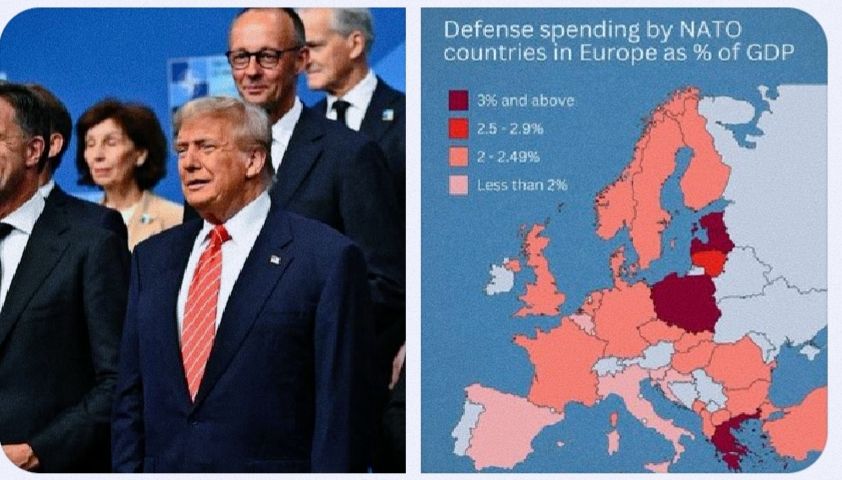
Currently, only 22 out of NATO’s 32 member countries meet the previous 2% spending target, which underscores significant disparities in defense expenditure across the alliance. The introduction of the 5% target will necessitate substantial increases in spending, with projections suggesting that hundreds of billions of dollars may need to be added annually. This transformation in military readiness has the potential to recalibrate the balance of power in Europe and beyond, reinforcing NATO’s deterrent posture against potential aggressors.

The timeline for implementation of the new spending targets is set for 2035, with a review process scheduled for 2029 to assess progress. This timeline reflects a strategic compromise between nations advocating for rapid implementation, such as Poland and the Baltic states, and those expressing concerns over the economic implications, such as Spain, which has negotiated a lower target of 2.1%. While there is broad support for this initiative, dissent exists among member states, particularly regarding the economic ramifications of such an ambitious increase in defence spending.
The financial implications of the 5% target are staggering. In 2024, NATO members collectively spent over $1.3 trillion on defence. Had all countries adhered to the proposed 3.5% guideline, that figure would have surged to approximately $1.75 trillion. The full realization of the 5% target could result in an unprecedented escalation of defence spending, fundamentally reshaping national budgets and prioritizing military expenditures over social programs. While this increase has the potential to stimulate the European defense industry and create thousands of jobs, it may simultaneously provoke public discontent as governments grapple with the trade-offs between military investment and domestic welfare initiatives.
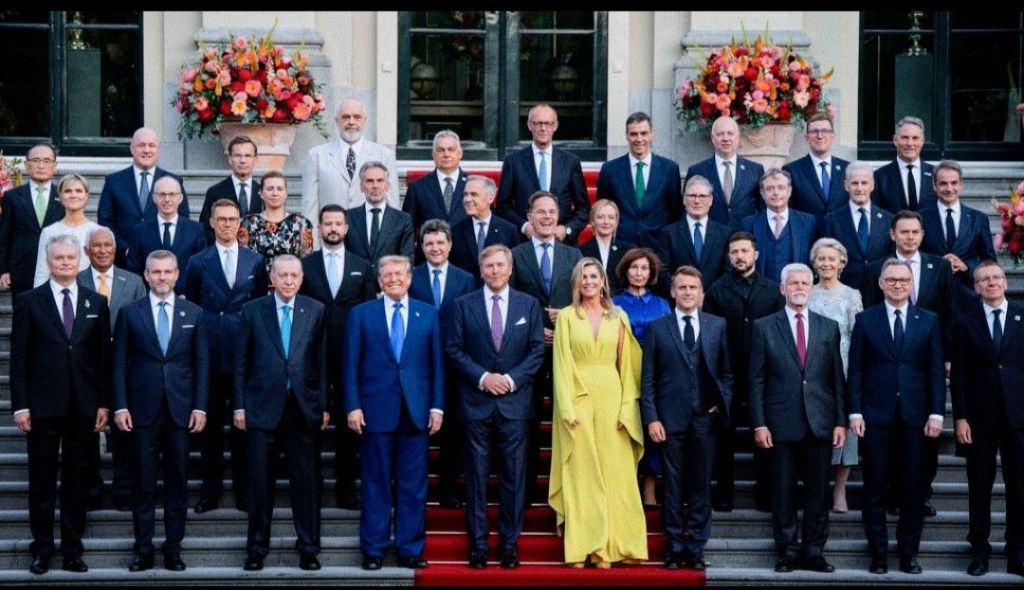
The strategic consequences of this unprecedented commitment are profound. The enhanced military capabilities resulting from increased funding will facilitate modernization efforts in areas such as air defence systems, fighter jets, and cyber defence infrastructures. This strategic pivot aims to bolster Europe’s resilience against hybrid threats, including cyber-attacks and energy sabotage, while simultaneously preparing for traditional military engagements.
Nonetheless, NATO’s commitment to increased spending is not without challenges. The alliance’s unity may be tested as countries like Spain seek exemptions from the 5% target, and uncertainty remains regarding enforcement mechanisms for these non-binding commitments. Furthermore, the absence of a clear standard for measuring the newly defined 1.5% investment could lead to discrepancies in how member states report their military readiness and expenditures.
In conclusion, the NATO Summit’s decision to elevate defense spending to 5% of GDP signifies a watershed moment in the alliance’s history, driven by an imperative to adapt to evolving security challenges. This unprecedented commitment underscores NATO’s readiness to confront contemporary threats head-on while fostering greater military cohesion among its members. As Europe navigates an increasingly volatile geopolitical landscape, the success of this initiative will depend on sustained political will, the capacity to balance economic priorities, and the evolution of security dynamics over the coming decade. The implications of this agreement will reverberate throughout the international defense arena as NATO positions itself as a formidable military actor capable of deterring aggression and ensuring the security of its member nations. Whether this ambitious plan culminates in genuine military enhancement or faces significant backlash remains to be seen, yet it undeniably marks a pivotal shift in NATO’s approach to collective defense in an era marked by uncertainty and instability.
Visit arjasrikanth.in for more insights
 SOCIAL PERSPECTIVES