
Short-term theatrics, abandoned accords, and misread alliances unravelled America’s global standing and inflamed the Middle East
In a world fraught with geopolitical uncertainties, the need for steady and principled leadership is paramount. Yet, the foreign policy legacy of Trump showcases the dangers of prioritizing transactional interests over long-term strategic engagement. The impulsive announcements of ceasefires during his administration often backfired, revealing how a business-minded approach to diplomacy can exacerbate rather than alleviate global tensions.

The landscape of international relations during Trump’s period was marked by a series of impulsive declarations, particularly regarding the tumultuous relationship between two specific nations Iran and Israel , in the Middle East. On multiple occasions, the Trump proclaimed significant breakthroughs, asserting that a comprehensive ceasefire was imminent. However, these announcements frequently came without any substantial diplomatic groundwork or consensus among the involved parties. Within a short span, the promises of peace often crumbled, eroding trust and deepening hostilities.
Take, for instance, the Iran nuclear negotiations. A promising round of talks in 2025 was swiftly overshadowed by the collapse of dialogue just 48 hours later, highlighting the fragile trust that characterized the era. Despite consistent claims that Iran would never obtain nuclear weapons, the unilateral withdrawal from the Joint Comprehensive Plan of Action (JCPOA) in 2018 dismantled the only viable framework for curtailing Tehran’s nuclear ambitions. This reckless approach not only failed to contain Iran’s aspirations but also accelerated uranium enrichment and increased proxy conflicts throughout the region.
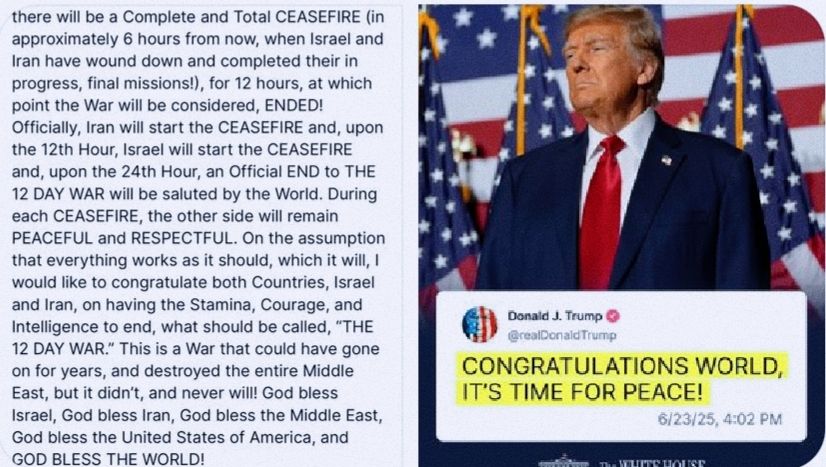
Moreover, Trump administration was perceived as increasingly aligned with Israeli military interests, further alienating Arab states and diminishing the U.S.’s role as a mediator. The so-called Abraham Accords, while touted as a diplomatic breakthrough, ultimately did little to address the core issues at play between Iran and Israel. Instead, Sunni Arab states began to question U.S. reliability as a stabilizing actor, concerned that American foreign policy was too closely tied to hardline Israeli positions. In this context, the notion of a ceasefire became more of a rhetorical flourish than a genuine step toward lasting peace.
Even when opportunities for engagement arose, the Trump administration often chose to emphasize punitive measures over constructive dialogue. High-profile summits with leaders from other nations resulted in little more than photo-ops, lacking any verifiable progress on critical issues like denuclearization. The fixation on deal-making—rooted in a commercial mindset—transformed diplomacy into a spectacle rather than a mechanism for sustainable peace. Such an approach ignored the intricate realities of international relations, reducing complex negotiations to grandstanding that ultimately yielded no meaningful results.

The fallout from these Trump’s impulsive announcements was far-reaching. Instead of fostering stability, the Trump’s foreign policy amplified tensions and diminished trust in U.S. leadership. While Iran grew more defiant, the credibility of the U.S. as a neutral arbiter suffered considerably. The emphasis on transactional diplomacy left behind fractured relationships, making it increasingly difficult for future leaders to navigate the complex geopolitical landscape.
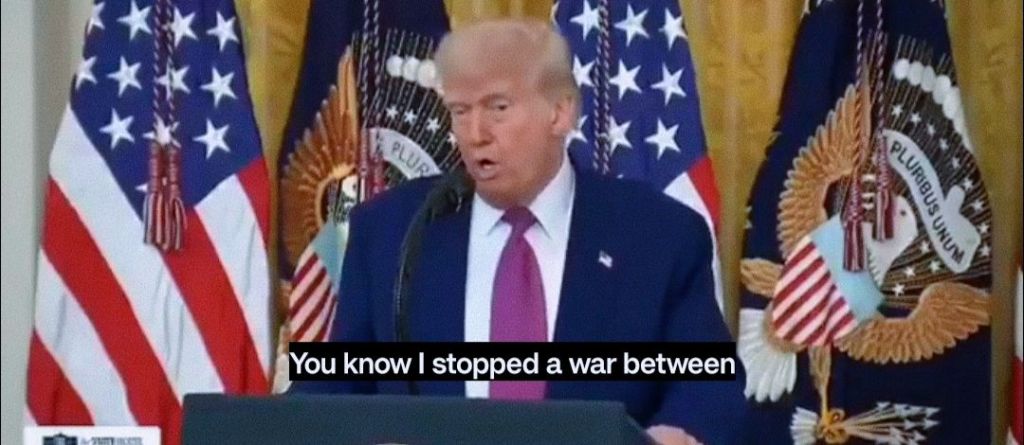
Looking back, the foreign policy of the Trump’s administration serves as a cautionary tale about the perils of impulsive, unverified ceasefire announcements. Effective global leadership requires more than just rhetoric and a business-oriented mindset; it demands consistency, strategic foresight, and a genuine commitment to multilateral cooperation. The challenges of the modern world—whether it be nuclear proliferation or regional conflicts—cannot be resolved through hasty proclamations or theatrical gestures.
As global tensions continue to simmer, it is crucial for future leaders to understand that the path to peace is built not on quick wins but on enduring partnerships grounded in mutual respect. The legacy of impulsive ceasefire announcements stands as a reminder that in international affairs, the cost of failed diplomacy is measured not only in missed opportunities but also in lives and long-term stability. To chart a course toward a more peaceful future, leaders must prioritize meaningful engagement over empty promises, recognizing that true diplomacy is a delicate art that requires patience, understanding, and a commitment to substantive dialogue.
Visit arjasrikanth.in for more insights
 SOCIAL PERSPECTIVES