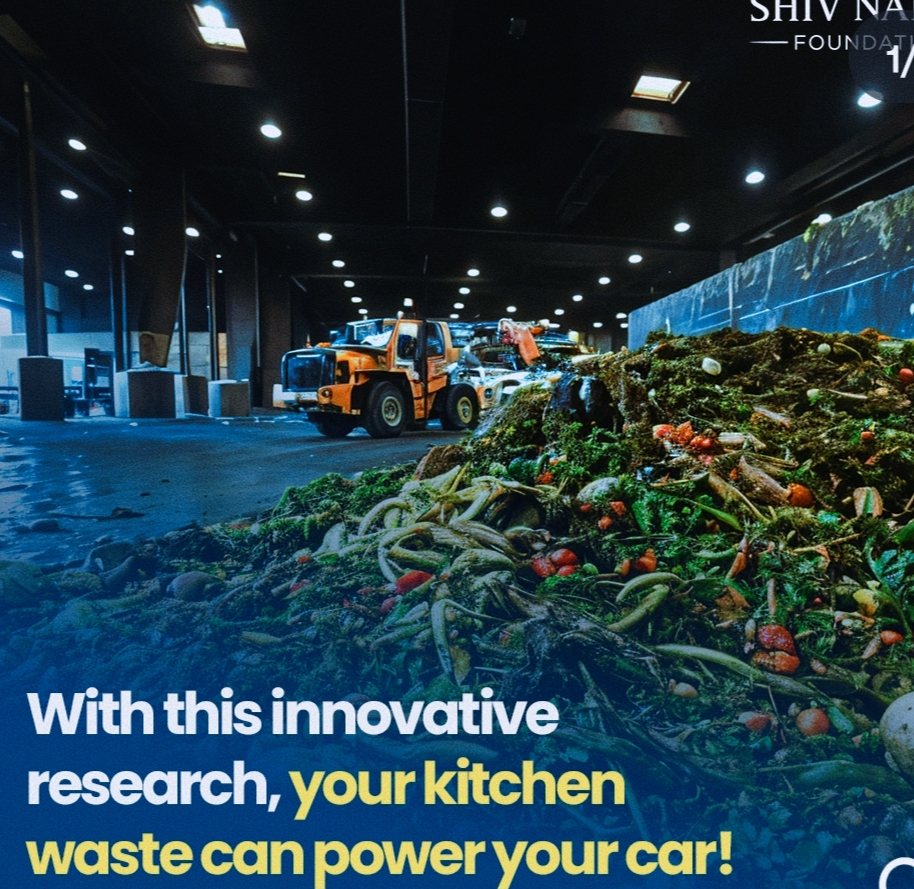
Forget landfills — from compost-powered cities to blockchain-bin magic, India’s waste warriors are making the economy spin in circles… and profit while they’re at it.
In a world buckling under the weight of its own excess, India is rewriting the narrative of progress—not with silence, but with sweeping, systemic transformation. Across its diverse states and dynamic cities, a disruptive movement is reshaping how we deal with waste. This is not merely about managing garbage; it is the rise of a circular economy—where what was once discarded is reimagined as a resource, a driver of innovation, and a catalyst for sustainable development.

The linear model of “take-make-dispose” is being cast aside. From the highlands of Sikkim to the shores of Goa, from metropolitan powerhouses to the rural heartlands of Andhra Pradesh, India is embracing a circular consciousness. Andhra Pradesh stands out with its visionary commitment to establish circular economy parks—dedicated zones where waste is transformed into energy, employment, and economic value. One such park, planned across 400 acres in Visakhapatnam, is designed to meet international standards in waste valorization, converting municipal solid waste, end-of-life vehicles, and agricultural residues into usable fuel and raw materials. The ambition is audacious: to reframe waste not as a liability, but as the backbone of sustainable growth.
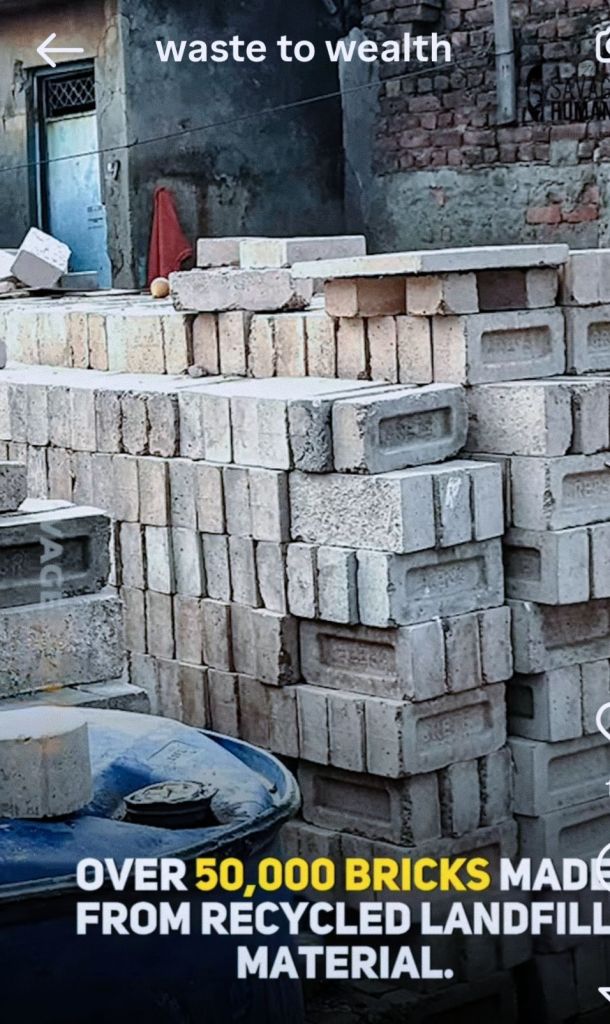
Karnataka is reshaping the built environment through its circular construction policy, which mandates the use of at least 20% sustainable materials in new infrastructure. This initiative ensures that buildings of the future will quite literally rise from the remnants of the past. In Goa, the state’s Waste Management Corporation is cultivating a network of composting facilities that convert household organic waste into nutrient-rich fertilizer, fuelling sustainable agriculture and reducing landfill dependency. Across these varied efforts, the message is clear—what once filled landfills is now feeding both soil and society.
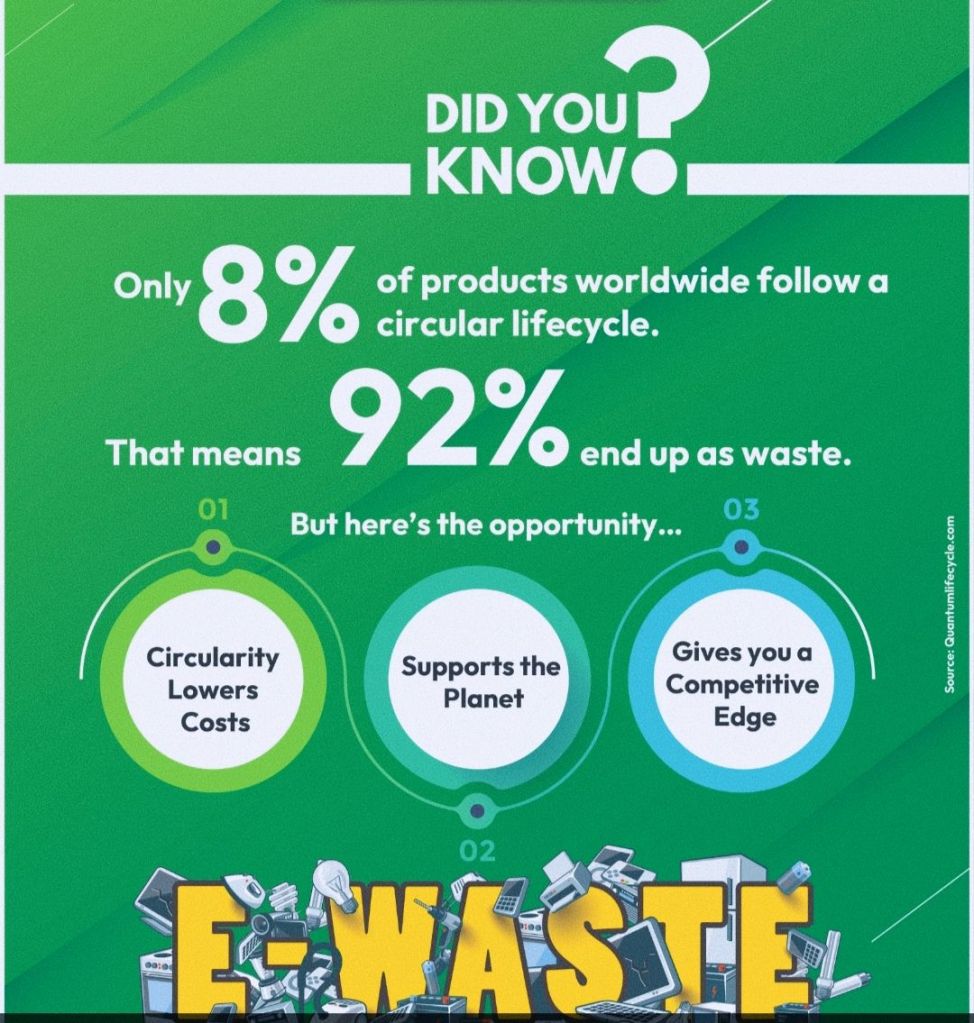
India’s private sector, too, is embracing the principles of circularity with enthusiasm and creativity. In the automotive space, Mahindra & Mahindra has launched a sustainable supply chain financing program, incentivizing its vendors to adopt eco-conscious practices. The company has already recycled over 10,000 metric tons of plastic waste. Bosch India has adopted “Design for Environment” standards, successfully reducing product lifecycle emissions by 20%, proving that industrial efficiency and environmental responsibility can coexist.
Consumer goods giants are innovating at scale. Hindustan Unilever’s Project Prithvi repurposes thousands of tons of plastic into fuel for cement production, significantly reducing landfill waste. Reliance Industries is similarly converting plastic waste into fuel for its manufacturing plants—transforming an ecological burden into an industrial asset.
Perhaps the most unexpected innovations are emerging from the fashion industry. Doodlage, a design house committed to circular fashion, upcycles textile waste into contemporary garments while offering repair services to extend product lifespans and challenge the culture of disposability. Golden Feathers, another visionary brand, is turning poultry feathers—once destined for landfill—into warm, durable winter apparel. These pioneers are not just redefining fashion but also charting a path for responsible consumption and production.
Technology is playing a pivotal role in powering this transformation. Platforms like Recykal are creating digital marketplaces for waste, employing AI for smart sorting and blockchain for traceability, thereby diverting over one million metric tons of waste from landfills. In cities like Pune and Bengaluru, IoT-enabled smart bins now guide waste collection dynamically, reducing fuel usage and improving urban hygiene. National schemes such as the Pradhan Mantri JI-VAN Yojana and GOBAR Dhan are converting agricultural and animal waste into clean biofuels, boosting rural economies while curbing emissions.

Urban areas are also tackling legacy waste with grit and innovation. Delhi’s infamous Ghazipur landfill is being mined for waste-to-energy conversion, while Mumbai’s Kanjurmarg site processes over 3,000 tons of waste daily into compost and refuse-derived fuel, proving that historical mismanagement can be reversed with vision and technology.
Financing is flowing into the circular economy at unprecedented rates. India issued over $10.3 billion in green bonds in 2022 alone, funding projects in renewable energy and waste infrastructure. Sustainability-linked loans are helping companies align profitability with environmental performance. Government initiatives like CITIIS 2.0 are deploying ₹1,800 crore to support circular economy models in 18 cities, indicating that both policy and capital are aligned for large-scale transformation.
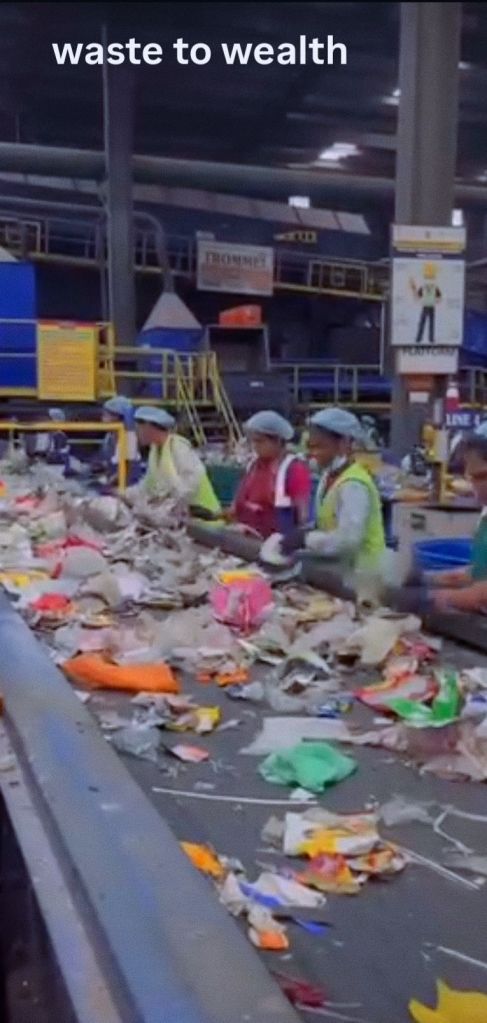
Challenges remain. Fragmented policies, high costs of advanced recycling technologies, and the marginalization of informal waste workers are significant hurdles. However, solutions are within reach: standardized regulations, formal integration of waste pickers into municipal frameworks, incentives for R&D, and blockchain-based EPR (Extended Producer Responsibility) tracking can help scale the movement. Tax relief for circular businesses and public-private partnerships will further anchor circularity in mainstream economic planning.
What’s clear is that this movement is no longer a fringe initiative—it is a national imperative. With the potential to contribute over ₹15,000 crore annually to the Gross State Domestic Product in Andhra Pradesh alone, the circular economy presents a compelling case not just for sustainability, but for inclusive, resilient growth.
From converting dung into dignity and fashioning jackets out of feathers, to tracking a banana peel’s journey through blockchain, India is building a future where nothing is truly wasted. This is more than environmental stewardship—it is a systemic renaissance. And in this grand symphony of circularity, every policy, every innovation, and every citizen plays a vital role.
Welcome to the Circularverse—where India is not just managing waste, but turning it into the cornerstone of its sustainable destiny.
Visit arjasrikanth.in for more insights
 SOCIAL PERSPECTIVES