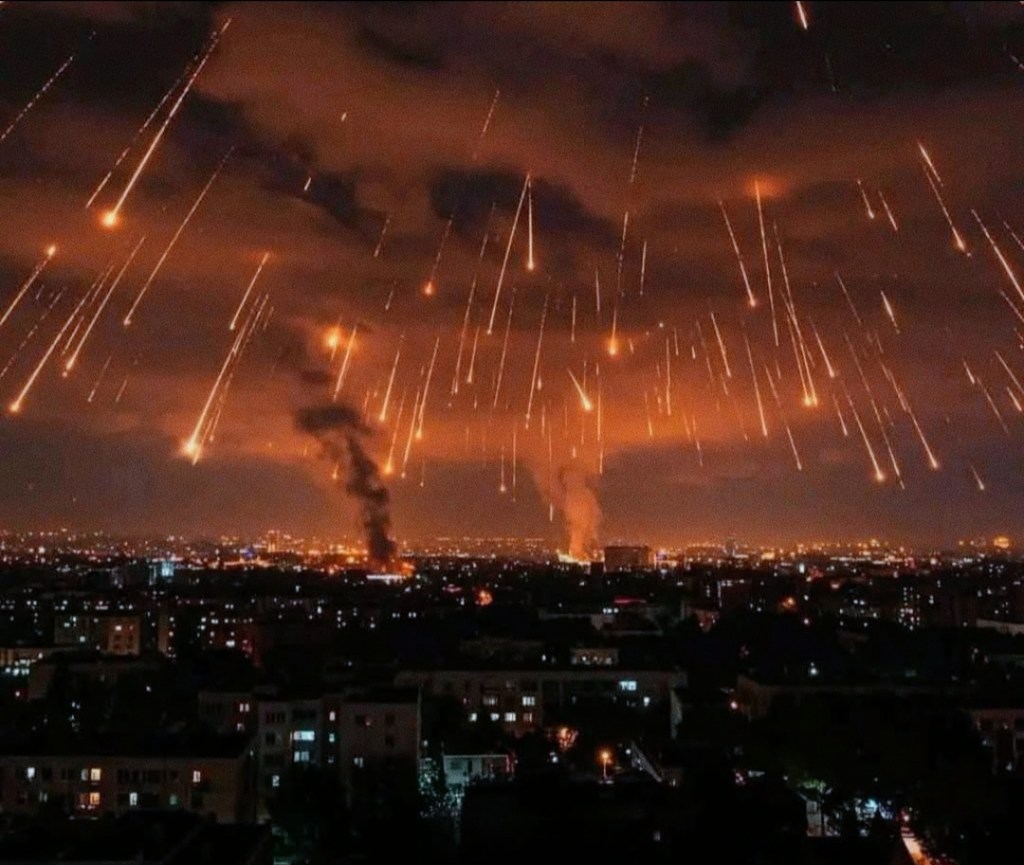
Navigating Nationalism and Realpolitik in a Fractured Middle East
In the heart of the Middle East, Iran stands as a paradox—a country with the second-largest population among Islamic nations and boasting a formidable military arsenal, yet it finds itself increasingly isolated. With a population exceeding 80 million and an army of approximately 600,000 personnel, Iran possesses thousands of ballistic missiles and has historically been a regional power. However, the reality is that it is now embroiled in a struggle for survival, facing not only external threats but also a lack of support from fellow Islamic nations.
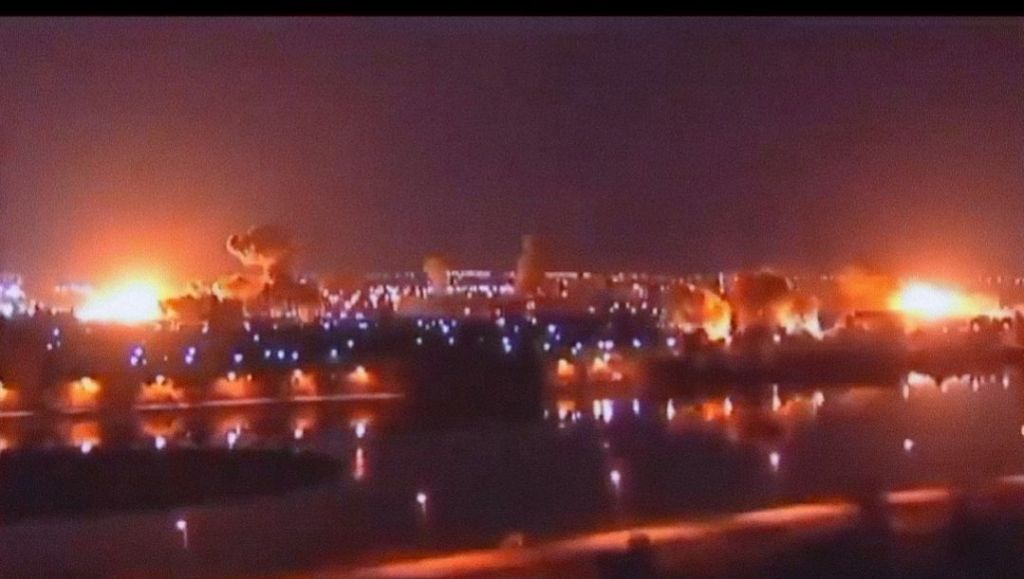
The recent tensions in the region have been exacerbated by the conflict with Israel, which has brought Iran’s precarious position to the forefront. The Iranian leadership has made headlines for its aggressive rhetoric, including threats against Israel and its support for militant groups across the region. Yet, when push comes to shove, Iran finds itself standing alone. The repeated declarations from Pakistani officials about nuclear retaliation against Israel, for instance, seem more like empty bravado rather than a genuine commitment to support Iran in its time of need.
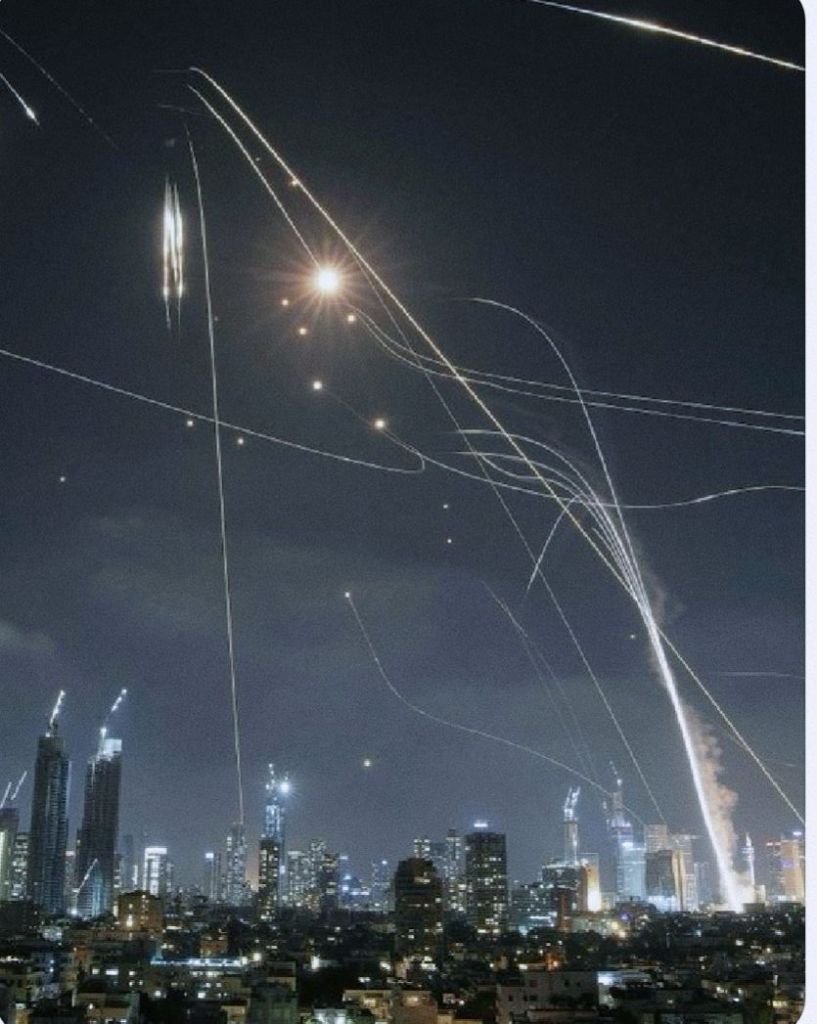
The history of Islamic unity has often been marred by contradictions and inconsistencies. The dream of a united Islamic front has been portrayed as a utopian ideal since the days of Zulfiqar Ali Bhutto, who sought to rally Muslim nations under the banner of solidarity during the 1974 Islamic conference in Lahore. However, the promise of unity has often crumbled in the face of national interests, as seen in the years following the 1973 oil crisis, when many oil-rich Muslim nations turned their backs on their ideological brothers to pursue their economic agendas.
The reality today is stark. While many Islamic countries are flush with oil wealth and possess significant military capabilities, they have failed to come to Iran’s aid amidst its struggles. This lack of support is indicative of a broader trend within the Islamic world, where national self-interest often trumps religious solidarity. Countries that once might have rallied to Iran’s cause are now choosing to distance themselves, either out of fear of backlash from Western powers or due to their own geopolitical considerations.
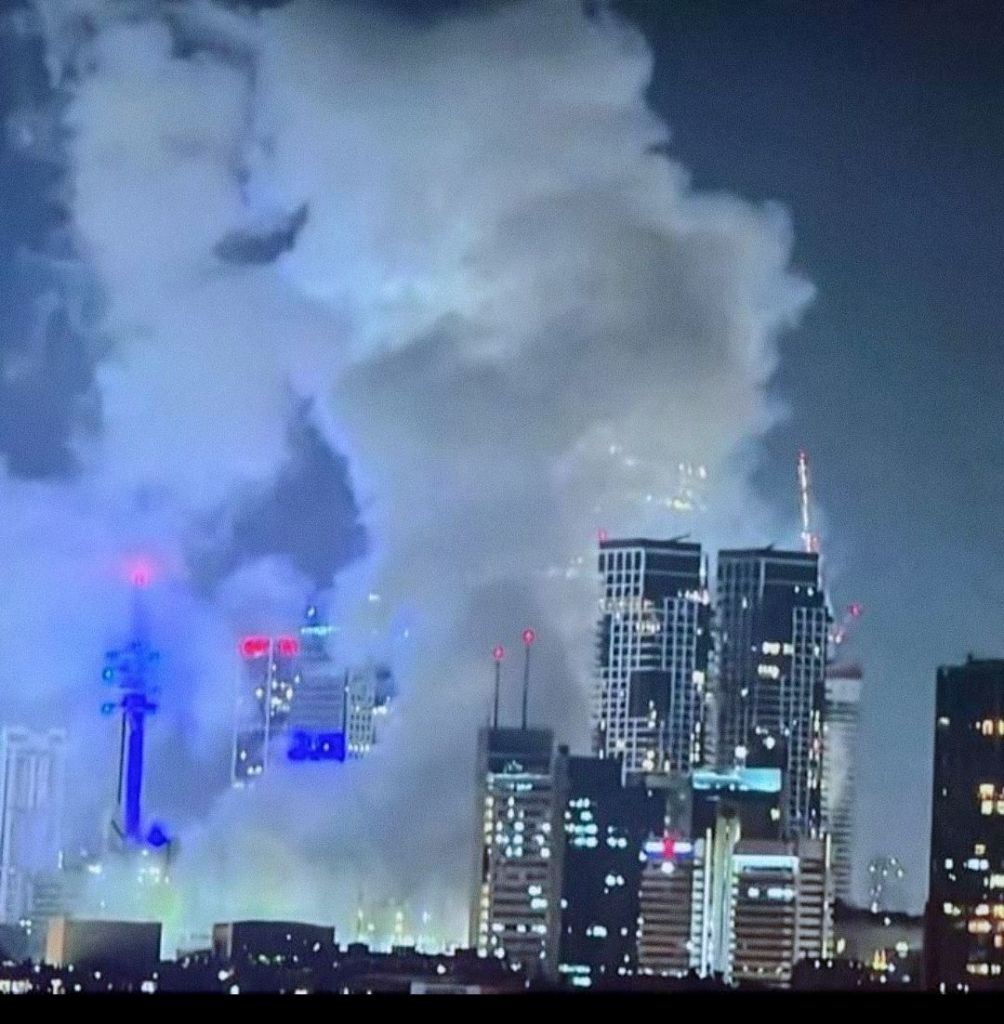
Moreover, Iran’s attempts to foster alliances with other Muslim nations have not yielded the expected results. The Organization of Islamic Cooperation (OIC), which represents a significant portion of the Muslim population, has proven largely ineffective in providing any substantive assistance to Iran. Instead of standing in solidarity, many member states are either ambivalent or outright hostile towards Iran, viewing its revolutionary regime with skepticism.
The notion of the Ummah—a global community of Muslims—has been reduced to mere rhetoric. In practice, nationalism often supersedes religious identity, as nations prioritize their own security and economic interests. This is exemplified by Pakistan, which shares a border with Iran yet has been reluctant to offer any meaningful support. Instead, Pakistan seems more concerned with its own relationship with the United States and its position within the global order.
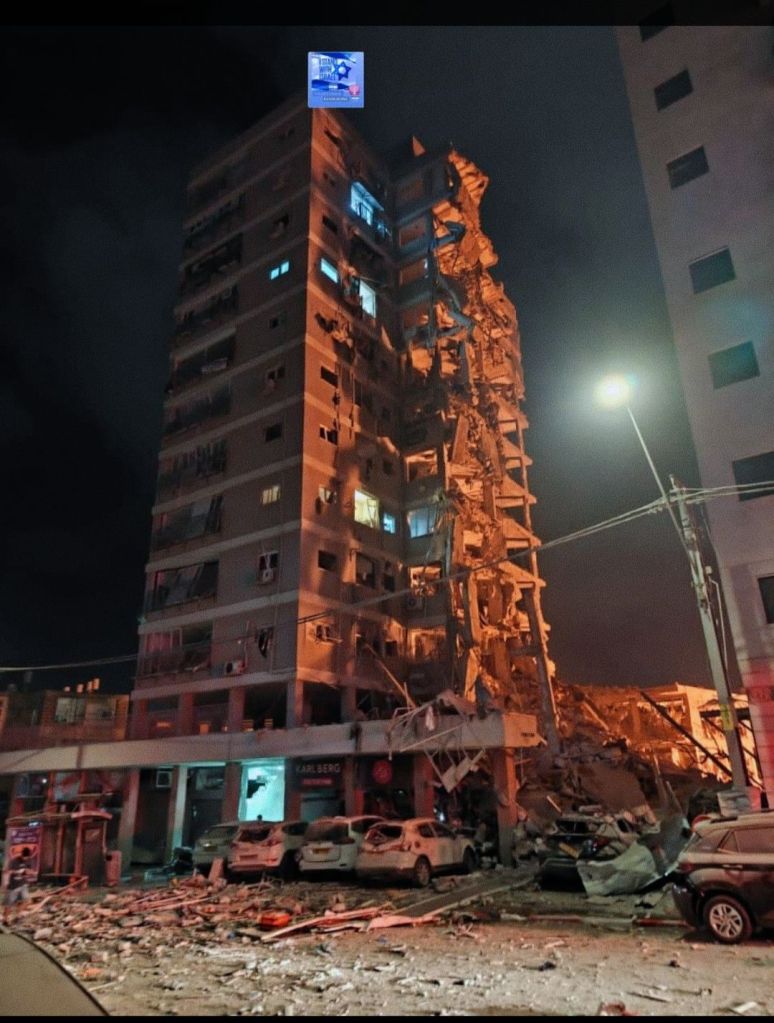
The absence of a unified Islamic response to Israel’s actions further underscores this reality. Despite the vast demographic and economic power that Islamic nations collectively possess—accounting for roughly 25% of the world’s population and 23% of its GDP—there has been a notable lack of cohesive action. Protests against Israel have been sporadic and often lack the fervor one would expect from a community that constitutes a significant portion of the global population.
The ongoing conflicts within the Islamic world further complicate Iran’s situation. From the devastation in Iraq and Libya to the civil war in Syria, the internal strife has not only weakened the Muslim nations involved but has also diverted attention and resources away from the larger issues at hand. The tragic irony is that many of these conflicts have been fuelled by the very nations that claim to stand in solidarity with one another.
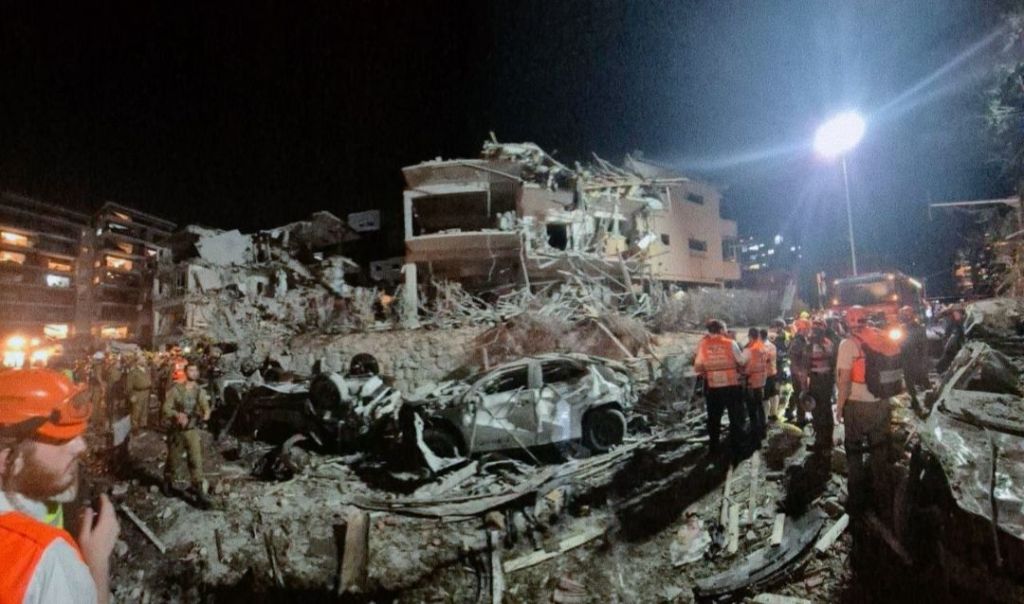
As Iran finds itself increasingly cornered, the question arises: where is the collective action that should characterize the Islamic world? The reality is that ideological commitments often crumble in the face of realpolitik. The narrative of Islamic unity has been shattered by the brutal realities of nationalism and self-interest.
Ultimately, Iran’s isolation serves as a stark reminder of the fragility of alliances built on religious identity. In a world where nationalism prevails, the dream of a united Islamic front remains a distant fantasy. As the region grapples with ongoing conflicts, it is clear that Iran must navigate its challenges alone, left to defend its interests against formidable adversaries without the support of its supposed allies. In this landscape, the idea of an Islamic Ummah stands exposed as a mere illusion, overshadowed by the harsh realities of geopolitical manoeuvring and national ambitions.
Visit arjasrikanth.in for more insights
 SOCIAL PERSPECTIVES
One response to “The Lonely Warrior in a World of Islamic Indifference”
The existing also lacks it’s public support sir
LikeLike