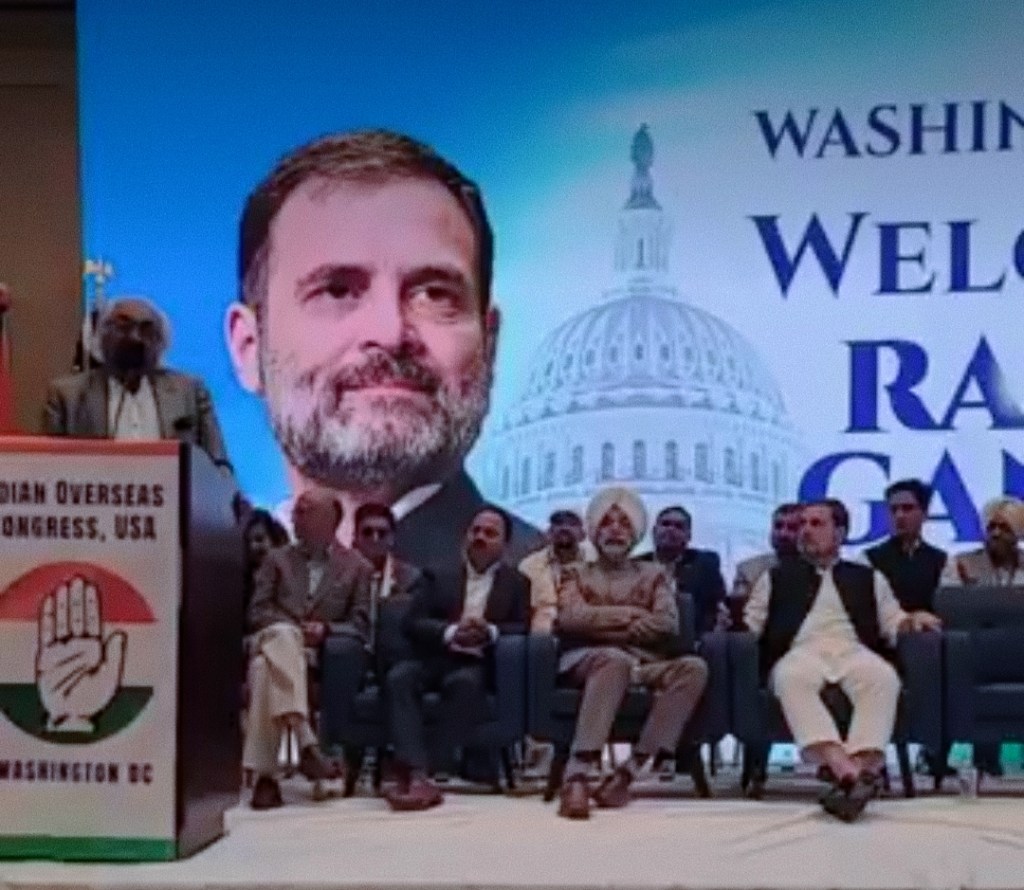
India’s most storied political surname lost the script in the age of disruption, digital dominance, and demographic dynamism
In the ever-evolving tapestry of Indian politics, Rahul Gandhi, the heir to the illustrious Nehru-Gandhi legacy, stands as a figure marked by both promise and perplexity. Despite his enduring presence and attempts to redefine himself as a compassionate alternative to the prevailing ruling establishment, his journey has been hindered by challenges that require urgent redress. As the leader of the Indian National Congress (INC), Gandhi finds himself at a crossroads, grappling with a party that has struggled to maintain its footing in an increasingly competitive political arena dominated by the Bharatiya Janata Party (BJP). To emerge as a credible force, Gandhi must implement a series of strategic maneuvers that harmonize historical legacy with contemporary aspirations.

At the core of Rahul Gandhi’s predicament is a persistent inability to unify and invigorate a party that has become factionalized and ideologically ambiguous. The Congress, once a formidable entity representing the diverse fabric of Indian society, now resembles a fragmented coalition of regional leaders and loyalists. This disarray has been exacerbated by the departure of prominent figures such as Jyotiraditya Scindia and Ghulam Nabi Azad, who have voiced their dissatisfaction with the opaque decision-making processes within the party. To address this, Gandhi must instigate an internal renaissance, fostering a culture of inclusivity and transparency that empowers regional leaders and grassroots voices. By decentralizing authority and encouraging open dialogue, the Congress can reclaim its identity as a party that genuinely represents the will of the people.
Moreover, Gandhi’s ideological framework must evolve to resonate with the aspirations of a younger, tech-savvy electorate. With over 65% of the Indian population under the age of 35, the youth are not only digitally literate but also impatient for tangible results. While Gandhi’s focus on secularism and social justice aligns with the party’s historical ethos, it is essential to craft a narrative that addresses contemporary issues such as employment, economic mobility, and technological advancement. By articulating a vision that marries traditional values with modern aspirations—perhaps through initiatives focused on digital entrepreneurship and green infrastructure—Gandhi can connect more meaningfully with younger voters who prioritize innovation and opportunity.

To enhance his electoral appeal, Rahul Gandhi must also refine his communication strategy. The Congress’s reliance on legacy media and traditional campaigning methods has allowed the BJP to dominate the political discourse, particularly on digital platforms. By embracing a more sophisticated communication model that leverages social media and engages with voters in real-time, Gandhi can counter the BJP’s narrative control. This includes addressing misinformation proactively and cultivating a relatable public persona that resonates with diverse demographics. A well-crafted digital engagement strategy can amplify the Congress’s message and foster a sense of community among supporters.
Furthermore, Gandhi must develop a robust policy roadmap that speaks to the pressing concerns of the electorate. While critiques of the BJP’s governance—focused on issues such as crony capitalism and authoritarianism—are valid, they often lack the forward-looking vision necessary to galvanize broader support. Instead of merely reacting to the ruling party’s policies, Gandhi should present comprehensive solutions for pressing issues like unemployment, inflation, and agrarian distress. By positioning the Congress as a party of proactive governance with clear policy proposals, he can bridge the gap between messaging and credibility.

Additionally, building strategic alliances will be crucial for countering the BJP’s dominance. The Congress has historically struggled with coalition-building, often failing to maintain consistent partnerships with regional parties. By fostering collaborative relationships that emphasize shared goals, Gandhi can create a formidable front against the BJP. This includes recognizing the value of regional identities and incorporating them into the Congress’s overarching narrative, allowing for a more inclusive political discourse.
In the face of public perception challenges, Gandhi must work diligently to reshape his image from that of a reluctant dynast to a relatable leader. This transformation requires acknowledging past missteps while emphasizing his commitment to reform and progress. By engaging directly with constituents, listening to their concerns, and demonstrating a genuine understanding of their struggles, Gandhi can foster a renewed sense of trust and credibility among voters.

Ultimately, Rahul Gandhi’s political renaissance hinges on a multifaceted strategy that embraces both tradition and modernity. By revitalizing the Congress through decentralized leadership, articulating a contemporary vision, enhancing communication, and building strategic alliances, he can reclaim relevance in the rapidly shifting landscape of Indian politics. The time has come for Gandhi to rise above the shadows of his lineage and emerge as a leader capable of bridging the gap between legacy and innovation. In doing so, he will not only restore the Congress’s place in the political arena but also pave the way for a more inclusive and dynamic future for India. The challenge is formidable, but with a concerted effort, Rahul Gandhi can become the transformative leader that India needs in this critical juncture of its democracy.
Visit arjasrikanth.in for more insights
 SOCIAL PERSPECTIVES