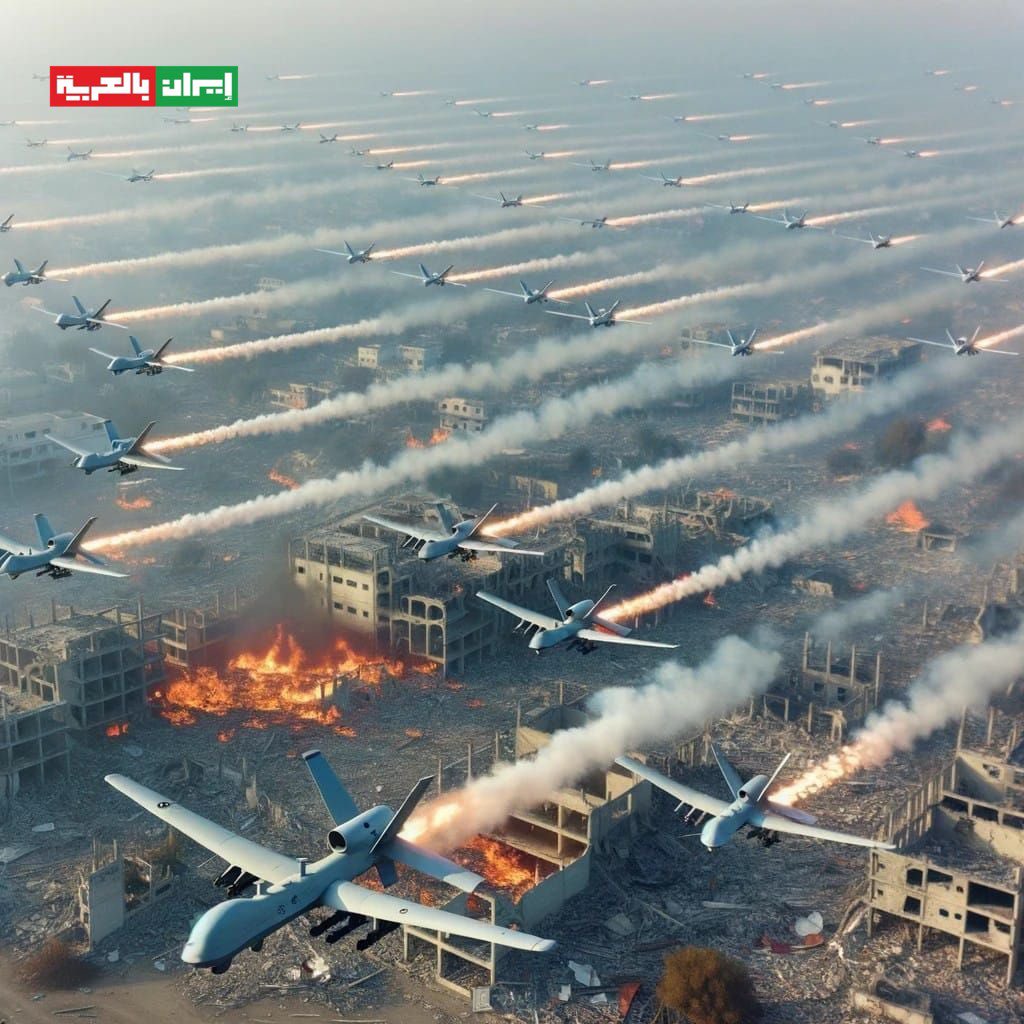
800 Targets. 200 Jets. One Night That Shook the Middle East—and Redrew the Rules of Pre-emption.
In an operation that stunned the world before dawn had a chance to break, Israel unleashed a thunderous air campaign dubbed “Operation Rising Lion.” With near-mythical precision and overwhelming scale, over 200 Israeli aircraft pierced the skies above Iran, launching coordinated strikes against more than 800 targets associated with the Islamic Republic’s nuclear program. What unfolded wasn’t merely a mission—it was a message. A message that Israel would not sit idle while a nuclear shadow loomed just beyond its borders.
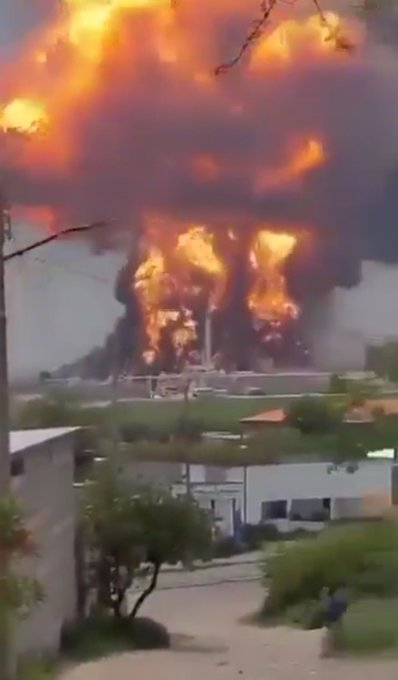
The operation marks one of the most dramatic escalations in Middle Eastern military history, a carefully orchestrated assault reflecting years of intelligence gathering, policy debates, and strategic brinkmanship. Prime Minister Benjamin Netanyahu, embattled at home and eager to cement his legacy as Israel’s eternal watchman, had long warned of a red line—one that Iran, with its 408 kg of uranium enriched to 60%, appeared perilously close to crossing. “We will never allow Iran to obtain nuclear weapons,” he had declared repeatedly. Now, that promise was baptized in fire.
Israel’s rationale for action was grounded in stark numbers and darker fears. Intelligence reports from Mossad and international agencies had converged: Iran was mere weeks away from nuclear breakout capability. Centrifuges spun deep within the bowels of fortified compounds like Natanz and Fordow, shielded by concrete and secrecy. The recent diplomatic overtures between Iran and the West, especially under Omani mediation, had only heightened Israeli anxiety. For Netanyahu, the spectre of a renewed nuclear deal was more threat than relief—it could legitimize Tehran’s ambitions, gift it international leverage, and make the regime untouchable.
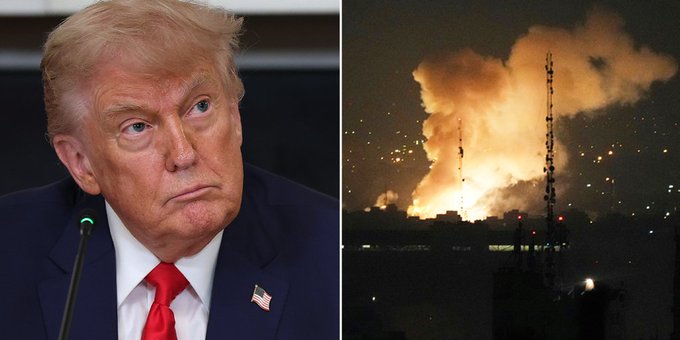
The military details of “Rising Lion” are staggering. F-35 stealth bombers, accompanied by electronic warfare squadrons and AI-guided drones, struck nuclear enrichment sites with bunker-busting precision. Simultaneously, command centers tied to the Islamic Revolutionary Guard Corps were targeted, eliminating high-profile figures like Major General Mohammed Baqeri. By decapitating both the scientific and military brains of Iran’s nuclear endeavor, Israel sought to not only delay but disorient Iran’s nuclear pathway.
Global reaction has been a symphony of condemnation, concern, and covert applause. The United States, though diplomatically cautious, found itself caught in a paradox. Publicly, Washington criticized the unilateral action, citing the fragility of ongoing negotiations. But privately, the massive U.S. military presence in the region, particularly the aircraft carrier USS Ronald Reagan, had inadvertently provided Israel with the strategic airspace and security envelope it needed. The line between disapproval and quiet complicity has never been thinner.
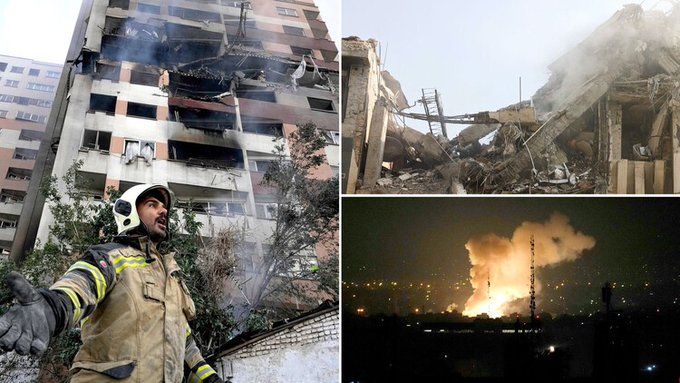
The fallout—both literal and figurative—is unfolding rapidly. Iran, wounded but defiant, has retaliated with missile salvos and unleashed its proxies across Lebanon, Syria, and Iraq. Yet, the psychological blow of losing core facilities and leadership in one sweep has rattled Tehran. Meanwhile, oil prices have surged past $150 a barrel, Iran’s currency has nosedived, and street protests in Iranian cities have intensified, exposing cracks in the regime’s armor.
Yet, Israel’s operation has opened not only craters in Iranian soil but diplomatic fissures worldwide. While Russia and China lambasted the strikes and called for an emergency UN session, several Gulf states—Saudi Arabia and the UAE among them—remained tellingly silent. For nations long wary of Iran’s hegemony, Israel’s offensive may have privately aligned with their strategic interests. The Abraham Accords, once viewed as economic and symbolic, now take on a sharper military dimension. A new axis of containment may be emerging across the sands.
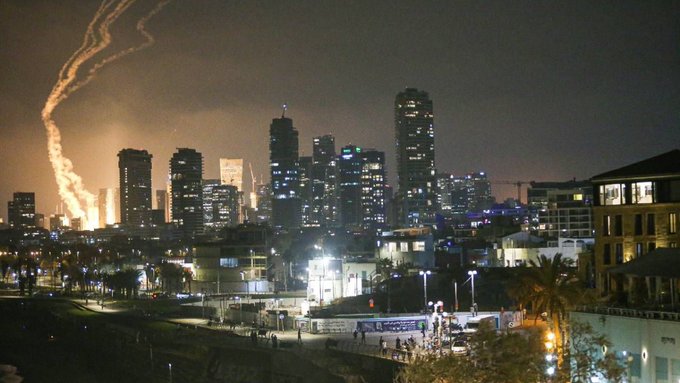
At the heart of the international debate lies one burning question: Was it legal? Israel argues that the strikes were pre-emptive, citing Article 51 of the UN Charter—self-defense in the face of imminent threat. Critics argue they were preventive, a murkier doctrine aimed at halting a possible future risk. That legal grey zone could define the diplomatic aftershocks in the weeks to come. The distinction is not merely semantic—it may shape global norms for how nations engage with emerging threats in a nuclear age.
For Netanyahu, the operation may momentarily ease domestic unrest and bolster his image as Israel’s unwavering protector. But the road ahead is fraught with uncertainty. Iran’s nuclear ambition has been bloodied, not buried. Covert programs may rise from the ruins. Proxy wars may intensify. And global trust in multilateral diplomacy may erode further. Yet, for Israel, the operation wasn’t about global approval. It was about survival.
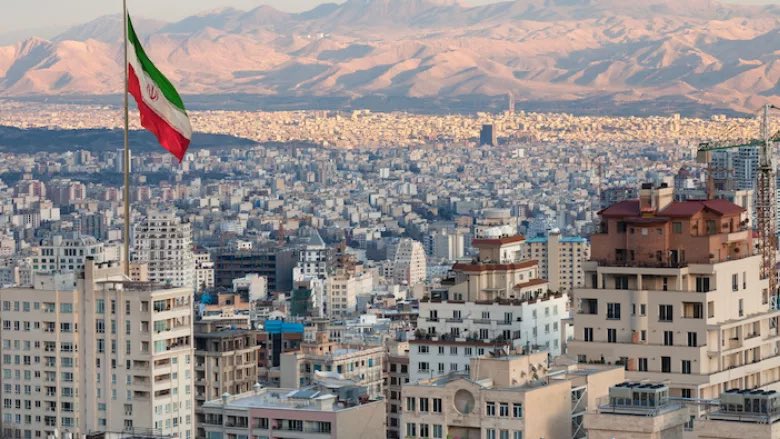
“Operation Rising Lion” is not just a headline—it’s a harbinger. Of a Middle East realigned. Of a geopolitical clock reset. Of a nation that chose to roar before it could be cornered. And as the dust settles on the smoking ruins of Iran’s nuclear dreams, one thing is clear: the lion may have risen, but the jungle is far from tamed.
Visit arjasrikanth.in for more insights
 SOCIAL PERSPECTIVES