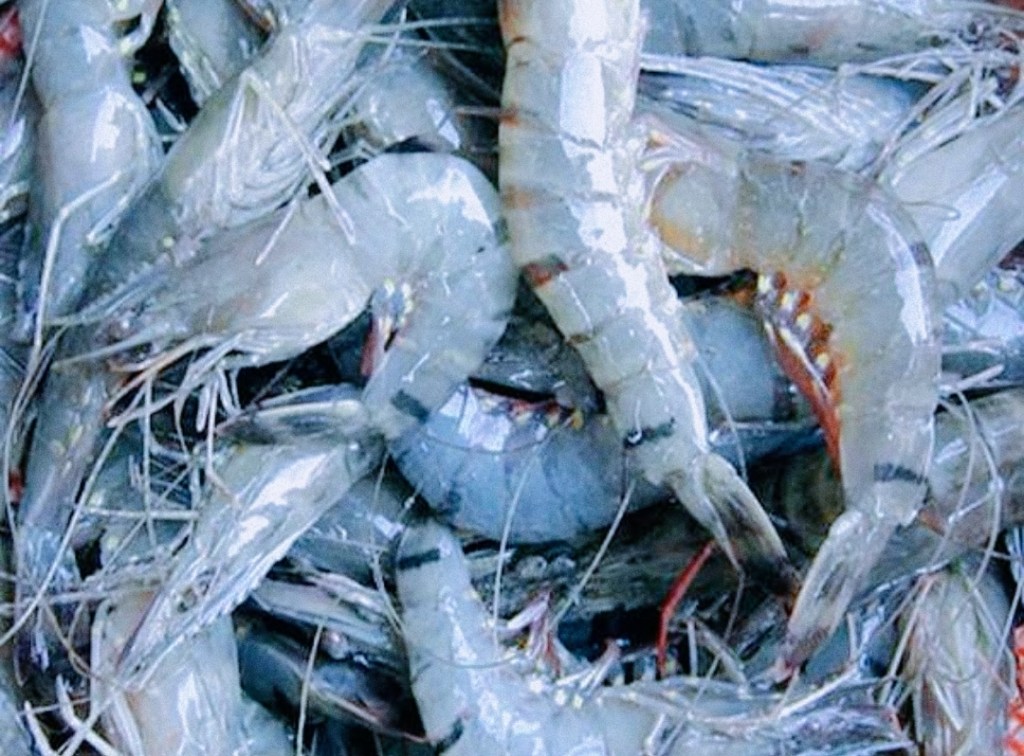
Andhra Pradesh Engineered a Silent Blue Revolution from Backwaters to Boardrooms
In the fertile coastal corridors of India’s eastern seaboard, a quiet economic revolution has taken place—one that seldom commands the spotlight like the country’s information technology or space exploration triumphs. This is the story of shrimp aquaculture, an industry that has not only transformed rural livelihoods but also established India as a global leader in seafood exports. At the helm of this transformation stands Andhra Pradesh, a state that has emerged as the nerve centre of India’s aquaculture economy, commanding attention on international platforms.
India today holds the distinction of being the world’s largest exporter of shrimp, with estimated exports projected to reach $7.5 billion by 2024. A staggering 60% of this comes from Andhra Pradesh alone, reaffirming its critical position in powering both domestic production and global trade. Far from being a niche sector, shrimp aquaculture has evolved into a strategic asset for the Indian economy, shaping rural development, generating employment, and enhancing export competitiveness.

The trajectory of shrimp farming in India dates back to the late 20th century, initially dominated by the cultivation of Black Tiger shrimp. Despite early gains, the sector encountered serious ecological pushbacks, prompting judicial intervention. The Supreme Court’s regulatory measures marked a turning point, steering the industry toward more sustainable practices. The subsequent shift to Whiteleg shrimp cultivation proved transformative, enabling higher yields, shorter growth cycles, and broader market acceptability.
Geography has favoured Andhra Pradesh with a confluence of conditions ideal for aquaculture: a long and productive coastline, extensive brackish water zones, and a conducive tropical climate. Districts such as Nellore, Prakasam, and the twin Godavari districts have emerged as aquaculture hotspots, fostering a production ecosystem supported by hatcheries, feed mills, processing facilities, and export logistics. This sector directly and indirectly supports over a million livelihoods, underlining its socio-economic significance.

The expansive growth of shrimp farming has catalysed a broader rural transformation. Small and marginal farmers have integrated into global value chains, enabling inclusive economic participation. Processing units and cold chain infrastructure have proliferated, turning interior villages into export-ready zones. The industry’s success has also stimulated allied sectors such as packaging, transport, and quality assurance, creating a ripple effect of development across Andhra Pradesh.
Yet, the journey has not been without its tribulations. Disease outbreaks, particularly White Spot Syndrome, have at times decimated harvests, revealing the sector’s vulnerability to biosecurity lapses. Price volatility in global markets adds to the uncertainty, while climate change presents a looming challenge through altered salinity levels and extreme weather disruptions. These risks underscore the urgent need for resilience-building measures within the aquaculture landscape.
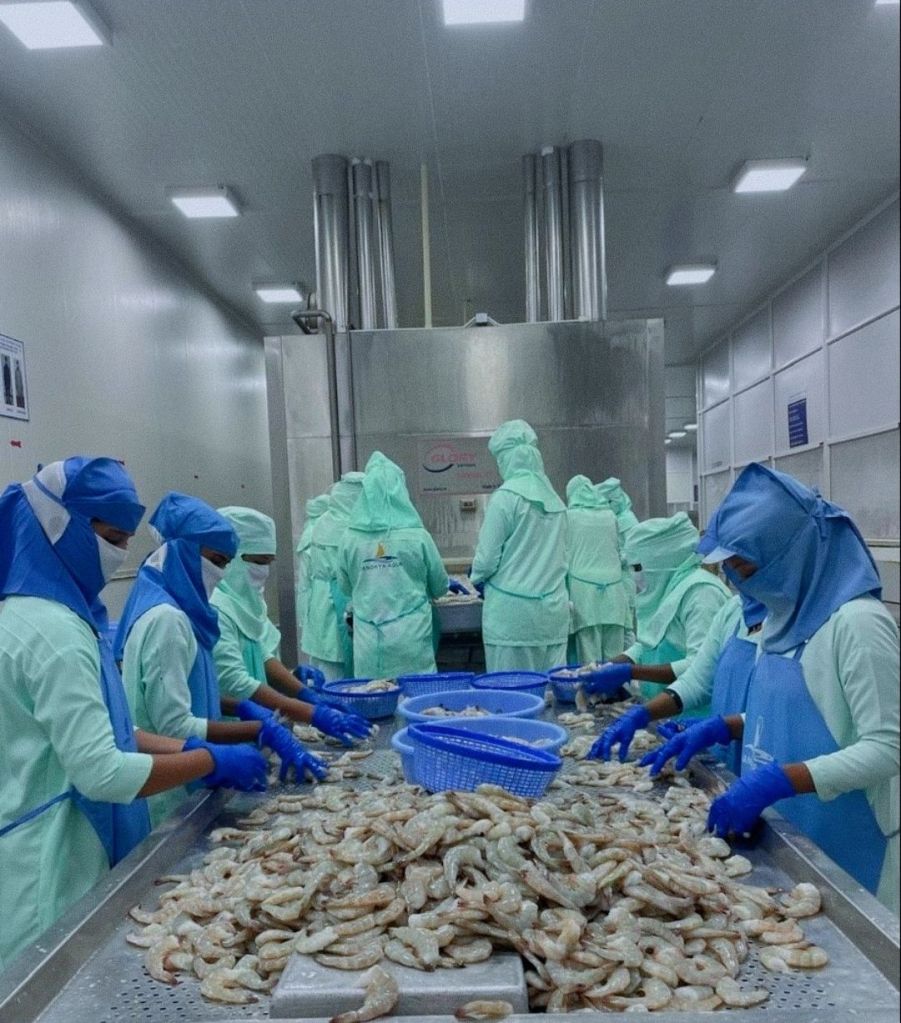
In response, the sector is embracing innovation and sustainable practices. Biofloc technology, recirculatory aquaculture systems (RAS), and improved breeding techniques are gradually replacing older, resource-intensive methods. The push for traceability and certifications aligned with global standards is enhancing the credibility of Indian shrimp in discerning markets. Concurrently, diversification into value-added products such as marinated, ready-to-cook, and organic shrimp is unlocking new revenue streams and elevating India’s export profile.
Looking to the future, the aquaculture sector—anchored by Andhra Pradesh—is poised for exponential growth. With the government’s continued support in terms of infrastructure, farmer training, and regulatory facilitation, the shrimp industry is expected to cross $10 billion in exports by 2030. Investments in research, digital monitoring tools, and ecosystem-based approaches will further consolidate India’s global leadership in sustainable aquaculture.

What sets Andhra Pradesh apart is not merely its production capacity but its ability to adapt and innovate. It has shown that with the right blend of policy, community participation, and scientific intervention, aquaculture can thrive without compromising environmental integrity. The state has become a model for others to emulate, both within India and globally.
In essence, the rise of Andhra Pradesh as India’s aquaculture powerhouse is a compelling testament to the country’s evolving economic narrative—one that values sustainability as much as scalability, and innovation as much as tradition. As the world increasingly pivots towards responsible seafood sourcing, the role of Andhra Pradesh in feeding global appetites while nurturing local communities assumes greater significance.

The story of shrimp farming in Andhra Pradesh is not just about exports and economic metrics. It is about resilience, empowerment, and strategic foresight. It represents a sector that is future-ready, environmentally conscious, and globally competitive. In this silent yet powerful revolution, Andhra Pradesh has not only captured shrimp from its coastal waters—but also captured the imagination of a world seeking sustainable prosperity through blue economies.
Visit arjasrikanth.in for more insights
 SOCIAL PERSPECTIVES