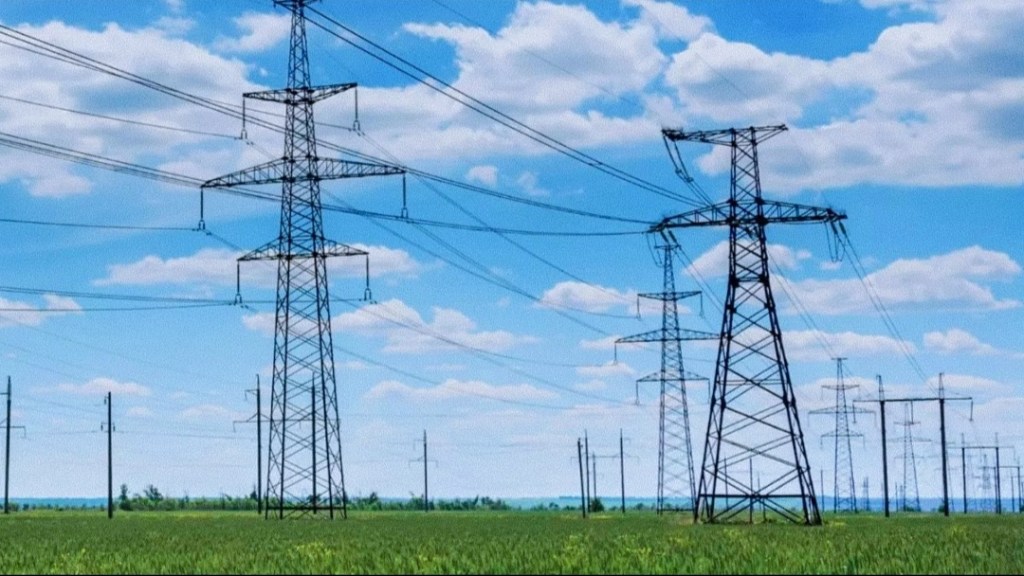
Unleashing the Power: Insufficient Infrastructure is Turning Clean Energy into Idle Current
The world is teetering on the brink of a clean energy revolution, fueled by staggering financial commitments toward renewable technologies. A recent report from the International Energy Agency (IEA) predicts global spending on energy will soar to an impressive $3.3 trillion by 2025, with $2.2 trillion earmarked specifically for clean technologies, including solar, wind, and electric vehicles. While this shift marks the dawn of an exciting new era of energy—often dubbed the “age of electricity”—a critical bottleneck remains: the glaring inadequacies in electrical transmission infrastructure that threaten to thwart this progress.
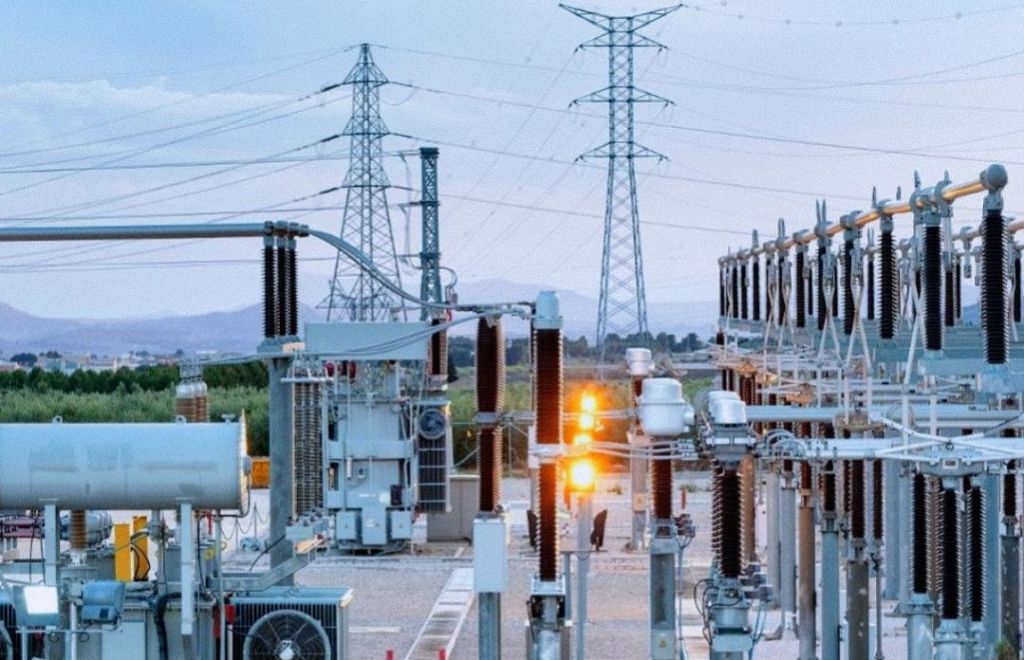
For decades, fossil fuels have dominated global energy expenditures, but the landscape is dramatically changing. Current investments in electric infrastructure have surged to about $1.5 trillion, surpassing fossil fuel expenditures by a hefty 50%. This trend reflects not only a transition from one energy source to another but also a robust response to the pressing challenges of climate change and energy security. Countries like China are projected to invest around $630 billion into clean technologies by 2025, primarily motivated by the desire to reduce reliance on volatile fossil fuel markets.
Nevertheless, beneath these promising statistics lies a pressing issue that risks derailing the ambitious goals set by nations around the globe: inadequate grid capacity that cannot effectively evacuate the renewable energy generated. Despite the expected influx of renewable energy generation—solar alone is forecasted to attract investments of approximately $450 billion by 2025—the current state of grid infrastructure resembles a highway riddled with potholes.
According to the IEA, an astonishing 80,000 kilometers of power lines will need to be constructed or upgraded by 2040 to meet rising global energy demands, essentially necessitating a doubling of existing grid capacity.
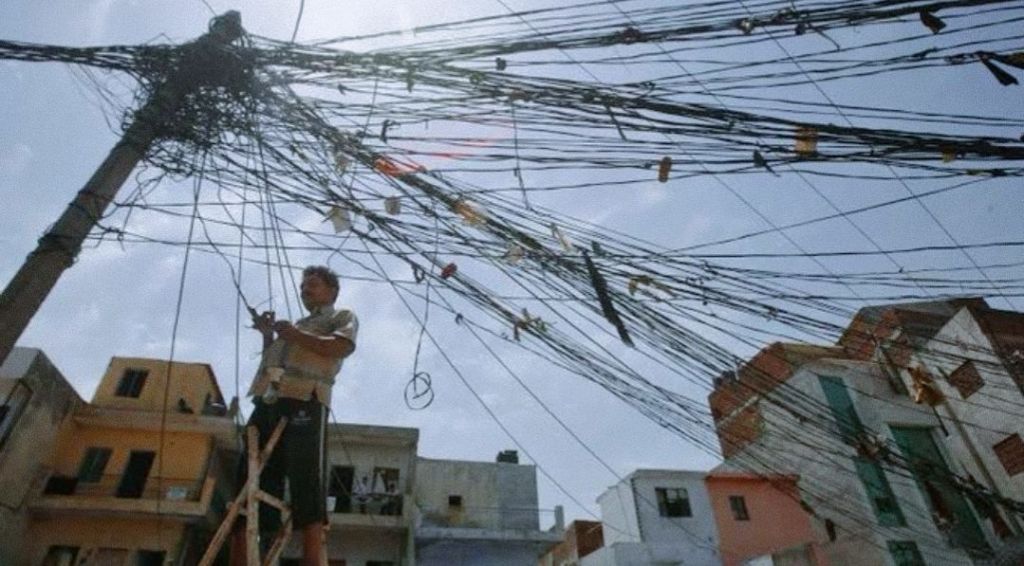
If significant improvements in infrastructure are not made, we face the alarming prospect of squandering the clean electricity being generated. The potential carbon emissions from wasted clean power could equate to four years’ worth of current emissions from the global energy sector. This scenario paints a stark image: a significant influx of renewable energy unable to reach consumers, left instead to languish as unutilized electricity.
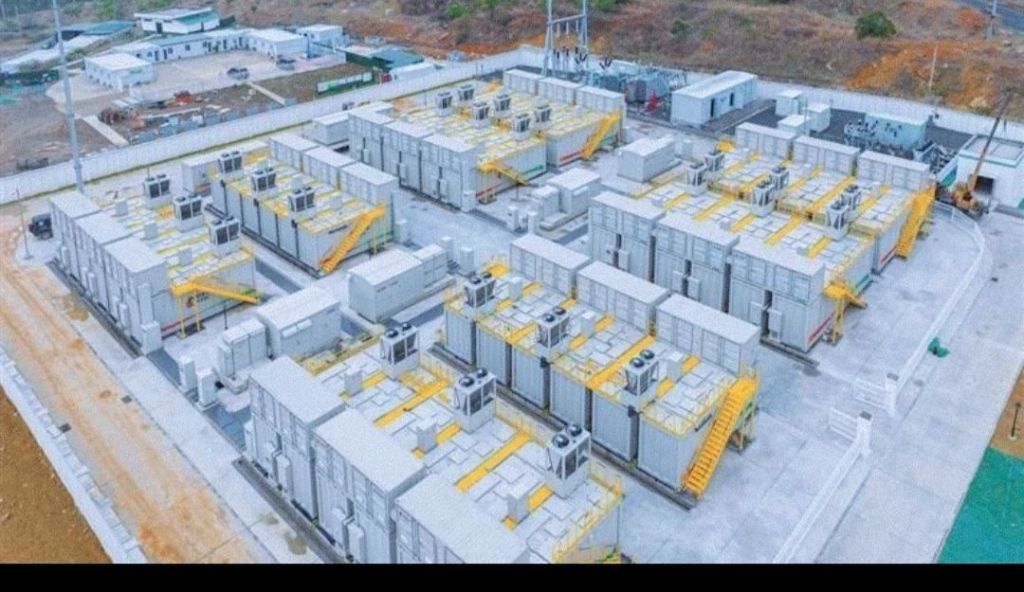
Adding to this dilemma is a paradox: despite the urgent need for grid development, annual investment levels have stagnated at around $300 billion since 2015. Though projections indicate an uptick to $390 billion in 2024, this still falls woefully short of the $3.1 trillion estimated necessary by 2030 to effectively combat climate change. This stagnation can be attributed to multiple factors, including prolonged planning processes, regulatory challenges, and the painfully slow pace of land acquisition. Furthermore, inadequate storage options and the intermittent nature of renewable energy sources complicate matters, all demanding a more robust and diversified grid to adequately meet fluctuating consumer needs.
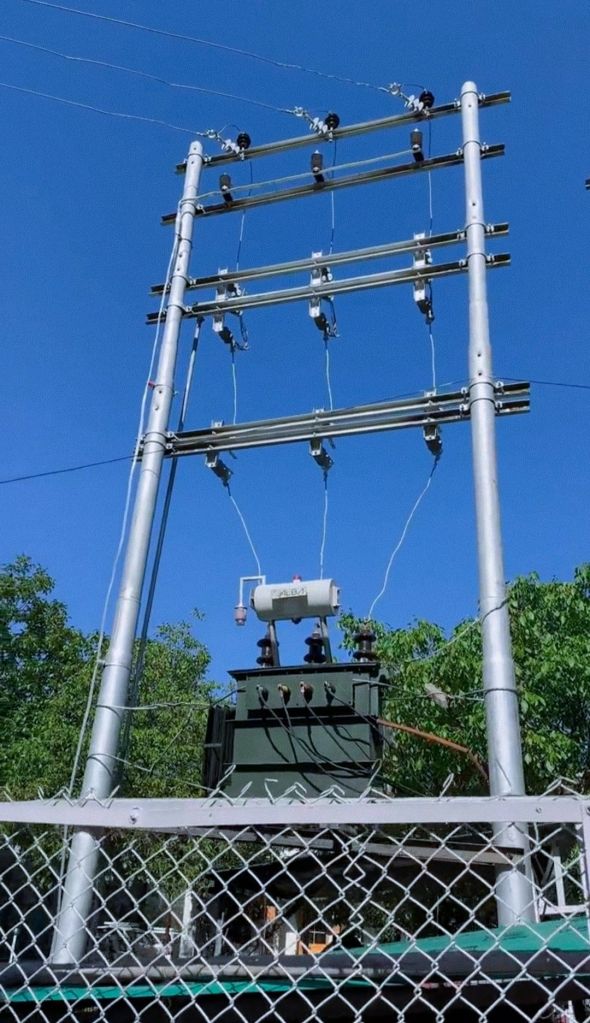
The geographic disconnect of renewable energy generation points further exacerbates the issue. Many renewable energy sites are located in remote areas where conditions are optimal—think vast sun-soaked deserts or windy coastlines. This necessitates extensive transmission lines to bridge the gap between these generation sites and urban consumer bases. In India, for instance, the ambitious goal of achieving 500 GW of renewable energy by 2030 is impeded by weak grid infrastructure, particularly in regions rich in renewable potential like Rajasthan and Tamil Nadu. Due to transmission bottlenecks, wind and solar power production frequently faces curtailment, forcing producers to throttle back output and resulting in a significant lost opportunity for clean energy utilization.
If we broaden our perspective to encompass global situations, we find that the challenges persist. In the United States, for instance, over 1,000 GW of clean energy projects are languishing in interconnection queues, awaiting necessary grid connections. Meanwhile, Europe faces offshore wind project delays due to inadequate subsea cable networks.
Developing nations in Africa and Southeast Asia share a similar fate, where a lack of investment in national grids and cross-border electricity trading severely curtails renewable energy potential.
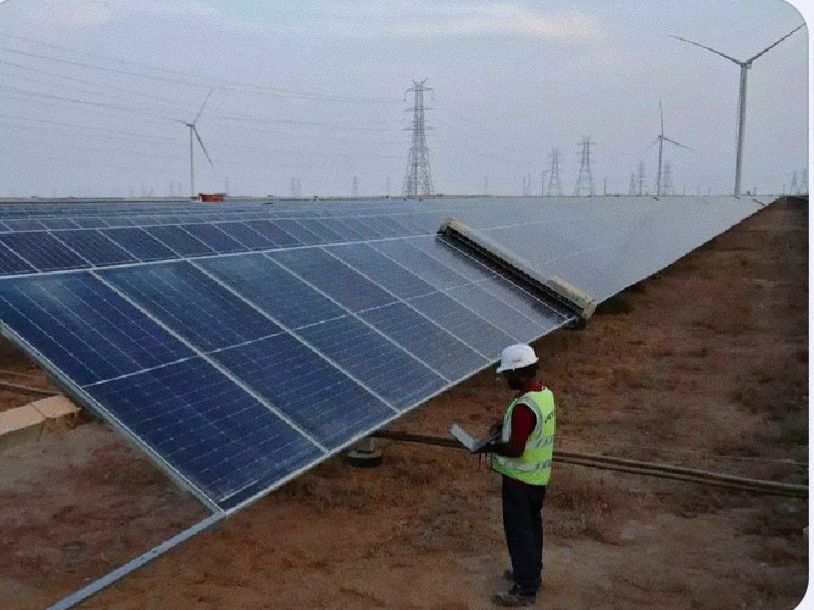
To facilitate a successful transition to green energy, several critical solutions must be prioritized. Accelerated grid modernization is imperative; investment in high-voltage transmission corridors, such as India’s Green Energy Corridors, is essential to overcoming existing bottlenecks. Additionally, policy reforms that streamline project approvals through a single-window system would significantly alleviate the regulatory burdens currently stalling grid expansion. Promoting public-private partnerships can also ease financial pressures and expedite development efforts.
Innovative approaches such as decentralized energy solutions, including microgrids and rooftop solar installations, can help mitigate some of the strain on existing grids. Moreover, enhancing regional cooperation will allow for optimal energy sharing; for instance, strengthening cross-border electricity trade—such as India’s grid integration with Nepal and Bhutan—could enable more efficient utilization of resources.
The promise of a cleaner, more sustainable energy future is tantalizingly close, yet it hinges significantly on our ability to improve grid infrastructure. As the world stands on the cusp of the age of electricity, we must prioritize the necessary developments that will enable us to harness and deliver renewable energy effectively. The clock is ticking—not just for investments but for decisive action that will shape the energy landscape for generations to come. While the renewable energy revolution is within our grasp, we must act swiftly to remove the barriers holding us back. Each watt of clean energy generated needs a well-engineered transmission line to reach consumers, or we risk stalling the green revolution right where it matters most.
 SOCIAL PERSPECTIVES