
As India’s skies fill with ambition and aircraft, its foundations are cracking under a chronic maintenance crisis and a talent vacuum. Will this billion-dollar dream soar—or stall at 30,000 feet?
India’s civil aviation sector is experiencing a historic upswing. With passenger volumes breaking records, new carriers entering the market, and airports undergoing aggressive expansion, the growth trajectory seems unstoppable. However, beneath this impressive ascent lies an unaddressed structural vulnerability—India’s underdeveloped Maintenance, Repair, and Overhaul (MRO) ecosystem and its acute deficit of skilled aviation professionals. These deficiencies, if ignored, could not only stall progress but potentially imperil the very foundation of India’s aviation ambitions.
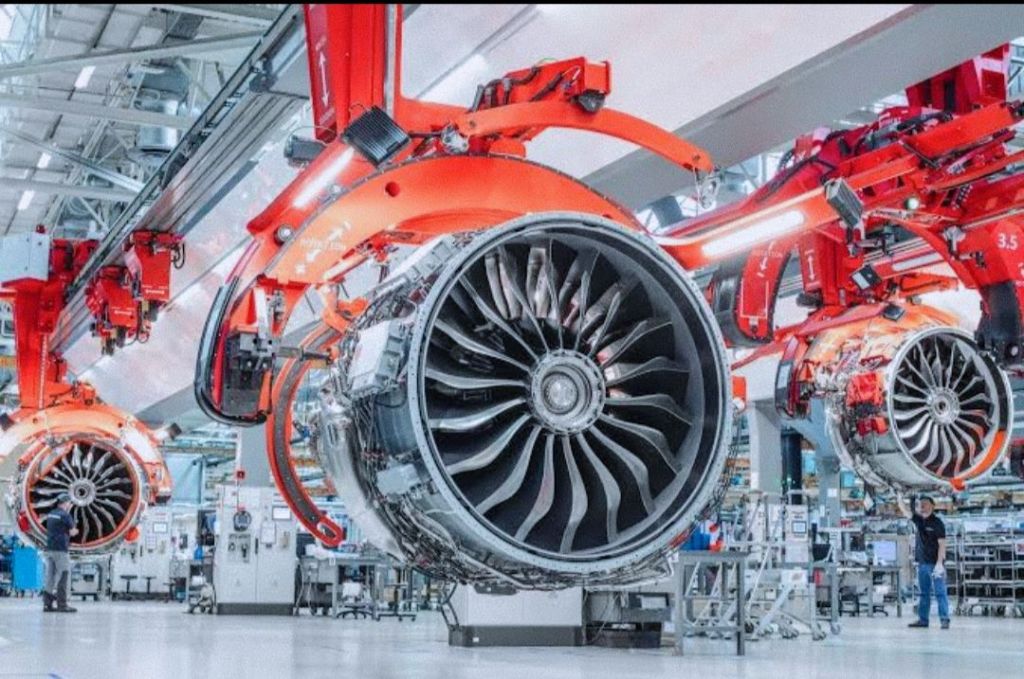
At the heart of the problem lies a paradox: while Indian airlines spend over $1.2 billion annually on MRO services, nearly 80% of that expenditure flows out of the country to global hubs such as Singapore, Dubai, and Europe. Despite the presence of competent domestic players like Air India Engineering Services, GMR Aero Technic, and Indamer Aviation, the sector remains fragmented, over-regulated, and economically uncompetitive. The MRO Policy of 2021 and the connectivity-focused UDAN scheme were commendable first steps, but policy intent has not translated into transformative outcomes. Indian MRO providers continue to grapple with a heavy tax regime, including 18% GST, complex customs procedures, prohibitive land lease costs, and regulatory bottlenecks. Meanwhile, foreign MROs offer faster turnaround times, superior infrastructure, and cost efficiencies, prompting Indian carriers to look outward, thus denying local MROs the business volumes required to scale up and invest in modernization.

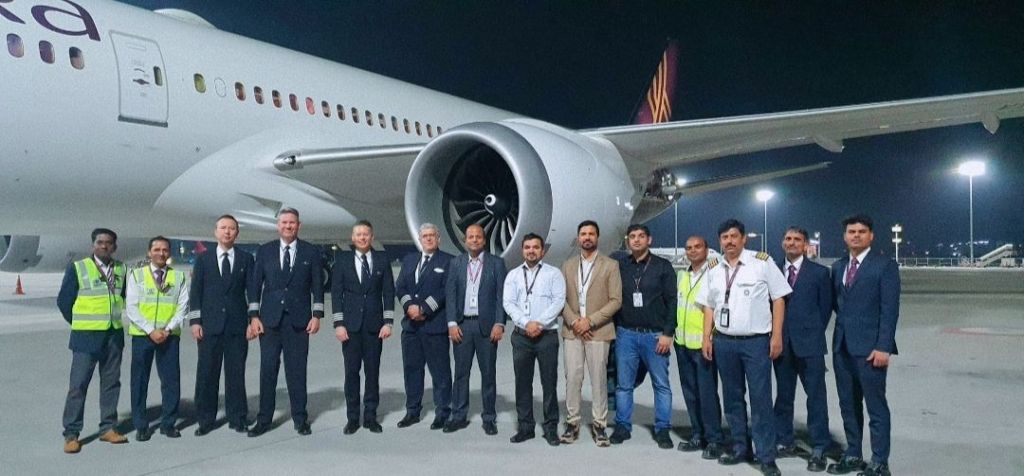
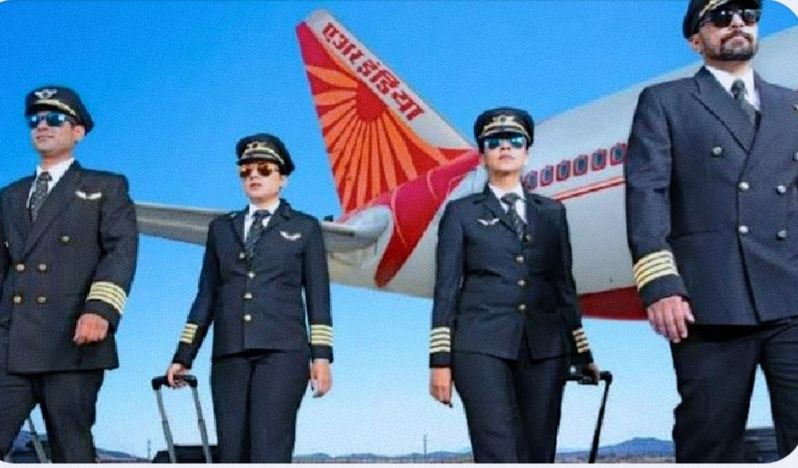
Even if infrastructure is upgraded, the absence of a skilled workforce to operate, manage, and maintain aviation systems poses an even graver threat. India is on track to require over 20,000 licensed aviation maintenance professionals within the next decade, yet the current output of approved training institutions falls far short. The high cost of training—pilot certification alone ranges from ₹40–50 lakh—deters potential entrants, while poor domestic employment prospects drive many of the qualified personnel to foreign carriers that offer better pay, amenities, and working conditions. Consequently, the ecosystem suffers a persistent talent drain. Compounding the problem are outdated curricula, sluggish certification processes, and limited international alignment overseen by the Directorate General of Civil Aviation (DGCA). The pandemic exacerbated this already precarious scenario by prompting thousands of skilled workers to exit the aviation sector altogether, many of whom have not returned.
India’s military aviation landscape serves as a sobering case study. The Indian Air Force, Navy, and Army rely on entities like Hindustan Aeronautics Limited and Base Repair Depots for maintenance, yet face chronic delays due to aged fleets, spare part shortages, and heavy dependence on foreign original equipment manufacturers. The MiG-21 crashes and the cannibalization of Jaguar fleets illustrate what happens when systems are stretched without adequate support. These cautionary tales from defence aviation should inform the future of civil aviation, where systemic failure in MRO could have commercial and reputational consequences of a far greater magnitude.
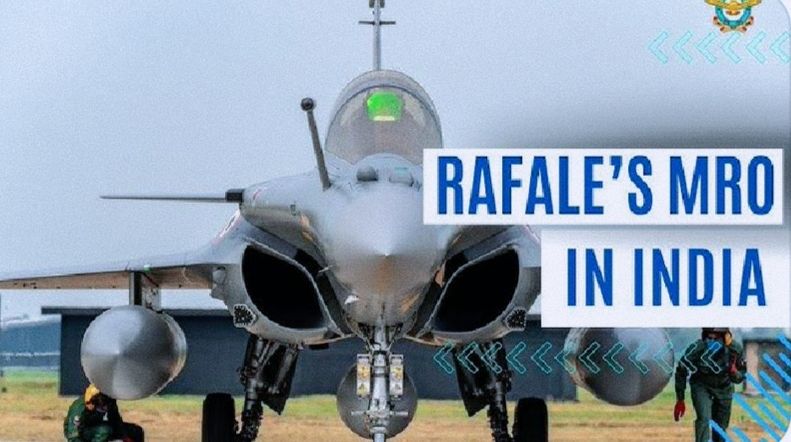
There is an urgent need for an integrated national strategy that can reimagine the MRO ecosystem as a critical pillar of India’s aviation aspirations. Taxation policies must be restructured to make domestic MRO viable—slashing GST rates and removing customs duties on imported spares would immediately enhance competitiveness. Developing dedicated MRO zones near major airports, supported by long-term lease agreements, utility subsidies, and tax holidays, could catalyse investment and attract global OEM partnerships. Parallelly, India must invest in building intellectual capital through specialized aviation universities and global institutional tie-ups. Providing subsidized education loans and revamping training infrastructure in alignment with global standards such as those of the International Civil Aviation Organization (ICAO) and European Union Aviation Safety Agency (EASA) is imperative. DGCA processes must be reengineered to reduce licensing lag and increase interoperability with international frameworks. On the demand side, airlines could be nudged to localize MRO work through policy mandates, cash incentives, and the promotion of AI-powered predictive maintenance systems that not only reduce turnaround time but also lower costs and enhance reliability.
India’s civil aviation growth is not merely a function of rising passenger numbers or new aircraft acquisitions—it is fundamentally dependent on the strength and sophistication of the systems that keep those aircraft flying. A robust MRO ecosystem and a skilled workforce are not ancillary requirements; they are core enablers of sustainability, safety, and strategic autonomy in aviation. The time to act is now. A failure to address these foundational issues will keep India perpetually dependent on foreign MRO facilities and external talent pipelines, diluting the gains of its aviation resurgence.
India stands at an inflection point. It can either rise as a global MRO and aviation skills powerhouse—echoing the trajectory of Singapore or Dubai—or remain tethered to dependency, forfeiting billions in economic value and thousands of jobs in the process. The opportunity is unmistakable. The risk of inertia is even more so. The skies may be clear, but without urgent reform, India’s aviation dream could stall mid-flight.
Visit arjasrikanth.in for more insights
 SOCIAL PERSPECTIVES