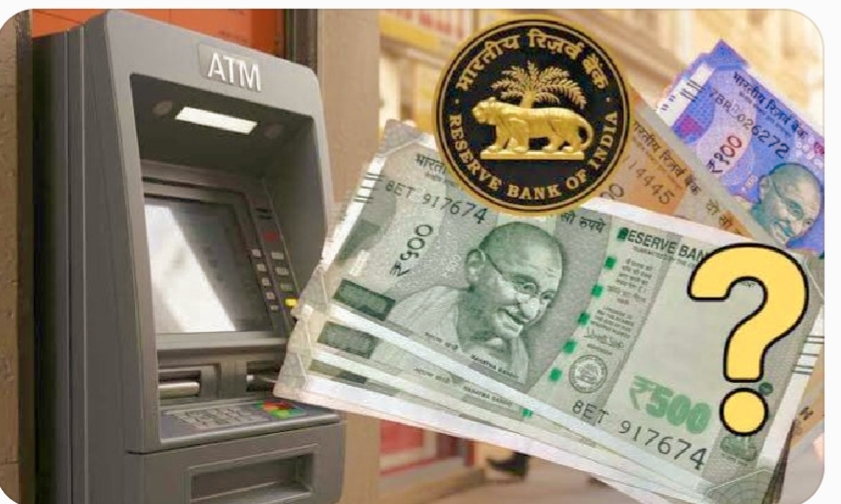
In the whirlwind of viral rumours and currency recalibrations, the humble ₹500 note stands at the crossroads of fiscal policy, digital disruption, and public perception.
Rumours have recently swept across social media platforms, claiming that the ₹500 note is on the verge of being phased out. These unfounded claims suggest that the Reserve Bank of India (RBI) intends to stop dispensing ₹500 notes from ATMs by March next year. However, these assertions are far from accurate. The RBI continues to print and circulate ₹500 notes, and they remain a vital part of the currency landscape. So, what is driving this wave of speculation?
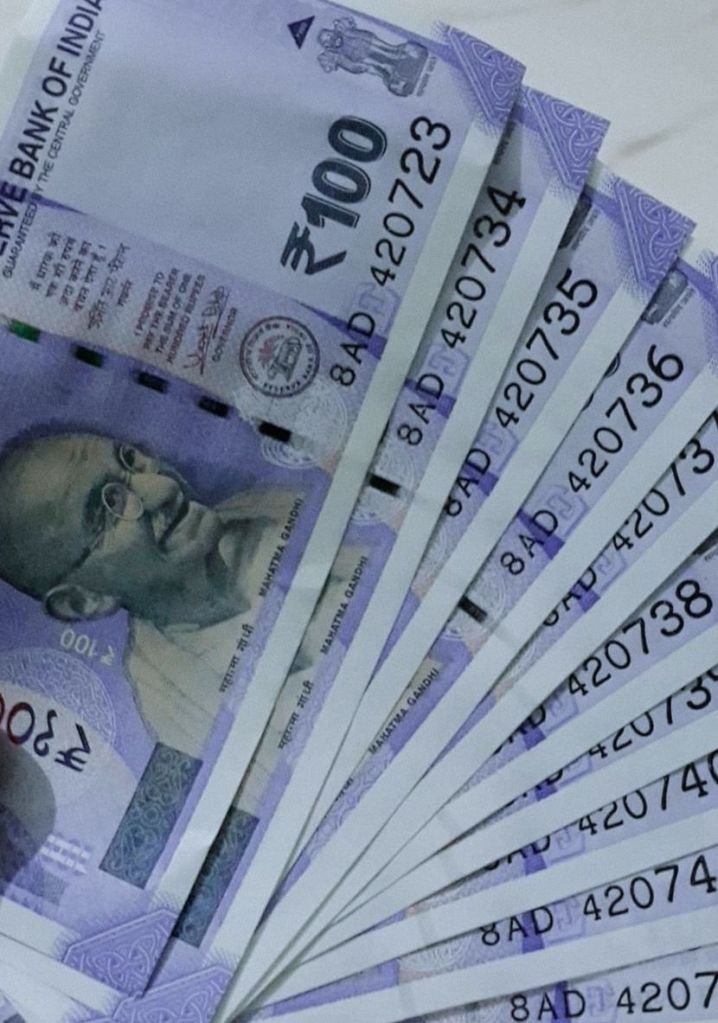
The confusion largely stems from a new RBI directive encouraging banks and ATM operators to increase the availability of ₹100 and ₹200 denominations at automated teller machines. According to this directive, 75% of all ATMs must dispense only ₹100 or ₹200 notes by September 30, 2025, rising to 90% by March 31, 2026. While this move may appear to signal a retreat from higher denominations, it represents a broader monetary policy trend favouring lower-value currency to enhance financial transparency and control.
Despite the current focus on lower denominations, the ₹500 note remains indispensable in India’s monetary system. As of now, it accounts for over 40% of the total number of currency notes in circulation and an overwhelming 86% of the total value of cash in the system. These statistics underscore the continued relevance of the ₹500 denomination. Yet, India’s past experiences provide important context. Following demonetization in 2016, ₹2,000 notes were introduced as a stop-gap measure to meet immediate liquidity needs. However, their printing ceased by 2018, and they were officially withdrawn from circulation in 2023, primarily due to concerns over black money and counterfeiting.
Similar apprehensions are now surfacing regarding the ₹500 note. Although the overall percentage of counterfeit notes has declined, the number of fake ₹500 notes detected has jumped significantly—from around 85,700 to 117,700, marking a 37% increase. This signals that the ₹500 note continues to be favoured for unaccounted cash holdings due to its compact denomination and ease of concealment. This growing trend has prompted policymakers to consider reducing the reliance on such denominations and encourage the circulation of smaller notes as a deterrent to illicit cash hoarding.
However, this transition comes with economic and logistical implications. The cost of printing a ₹100 note is ₹1.77, while that of a ₹500 note is ₹2.30. Replacing ₹500 notes with five ₹100 notes results in a significantly higher production cost. Moreover, lower denomination notes experience higher circulation frequency, leading to faster wear and increased printing requirements. The RBI spent ₹5,101 crore on printing currency in FY 2024, up from ₹4,012 crore in FY 2021. This rising expenditure poses a growing challenge to the central bank’s operational budget.
ATM infrastructure presents another significant hurdle. Transitioning to predominantly ₹100 and ₹200 notes requires recalibration of ATM hardware, software updates, and employee training. These adjustments are neither simple nor inexpensive. When the lavender ₹100 note was introduced in 2018, recalibrating India’s 2.4 lakh ATMs took nearly a year and cost approximately ₹100 crore. A similar, larger-scale shift could lead to more disruptions and financial strain.
There are social implications to consider as well. Smaller denominations may help curb black money, but they also impact everyday citizens. During the 2016 demonetization, the public faced considerable hardship, with average ATM visits increasing from six to 16 per month, translating into over 10 additional hours spent managing cash. Although the recent withdrawal of ₹2,000 notes was relatively smooth, any abrupt restriction on ₹500 notes could trigger similar public inconvenience and economic disruption.
The move toward smaller denominations also reflects shifting consumer behaviour and government priorities. As lower-value notes become more prevalent, digital payments gain further traction. ₹100 notes are often used in tandem with digital transactions, incentivizing citizens to scan QR codes or use cards. This push toward a less-cash economy is promising, provided it is matched by robust infrastructure, awareness, and digital literacy. Without these foundational elements, the transition may deepen the urban-rural divide and foster mistrust.
Since the introduction of new notes in 2016 and the rapid expansion of digital platforms like UPI, the Indian payment ecosystem has transformed dramatically. UPI alone now processes over 18 billion transactions per month. Yet, despite these advances, cash remains deeply embedded in Indian society, accounting for nearly 60% of all consumer transactions. Moreover, currency circulation has more than doubled from 2014 to 2024, even as the number of ATMs and bank branches has steadily grown.
As India navigates this complex financial terrain, the country must balance innovation with stability. Reducing reliance on higher denominations may help curb illicit cash flows, but it must be done thoughtfully to avoid economic friction. Clear communication from regulatory bodies, along with sustained investments in digital infrastructure and financial inclusion, will be key to ensuring a smooth transition.
The ₹500 note, though seemingly just a currency denomination, symbolizes a larger debate about the future of India’s financial system. Its fate will shape public trust, monetary policy, and the rhythm of daily commerce. Decisions taken today regarding this denomination are not just fiscal in nature—they represent a vision for India’s economic resilience and its readiness to lead in a digitally integrated global economy.
Visit arjasriaknth.in for more insights
 SOCIAL PERSPECTIVES