
The Enigma of Corporate India: Balancing Ambition with Humanity in a High-Stakes Arena
In the dynamic sphere of corporate India, the work cultures of its largest organizations serve as a fascinating reflection of broader societal shifts, revealing a complex interplay between ambition and employee well-being. Dominating industries such as energy, telecommunications, infrastructure, and retail, these corporate behemoths not only embody the visionary dreams of their founders but also illustrate the intricate dynamics that affect employee satisfaction and organizational performance. An in-depth exploration uncovers a striking duality in these corporate cultures: an unyielding pursuit of growth and excellence coupled with an undeniable need for employee fulfilment.

At the essence of these organizations lies a performance-driven ethos that is simultaneously empowering and challenging. Visionary leadership underpins this culture, with executives championing aggressive growth strategies that demand employees align their ambitions with expansive organizational goals. Participation in initiatives across diverse industries creates a high-stakes environment where risk-taking and innovation are not merely encouraged but expected. This pressure is palpably illustrated in transformative telecom services and renewable energy projects, which thrive on employees’ willingness to push boundaries. Yet, this unrelenting pursuit of results translates into long hours and an inexorable pressure to meet strict deadlines, resulting in a pervasive ‘hustle culture’ that particularly afflicts senior roles.
A defining trait of these conglomerates is their hierarchical structure. Despite their modern branding and lofty aspirations, the decision-making process often remains centralized, resting heavily with top-tier leadership. This centralization can stifle creativity and autonomy, especially among mid-level managers, leading to delays as employees navigate through bureaucratic processes rife with multi-layered approvals to get innovative concepts greenlit. In environments where speed of execution is crucial, such inertia is an impediment.

Financial incentives play a crucial role in attracting talent, with competitive salaries and performance-linked bonuses designed to entice the best and brightest. However, this focus on results over methodologies cultivates a high-stakes atmosphere where promotions and bonuses hinge on rigid key performance indicators. While senior employees may relish stock options and robust benefits, frontline workers often feel inadequately compensated, left grappling with a sense of exclusion that fuels dissatisfaction and disengagement.
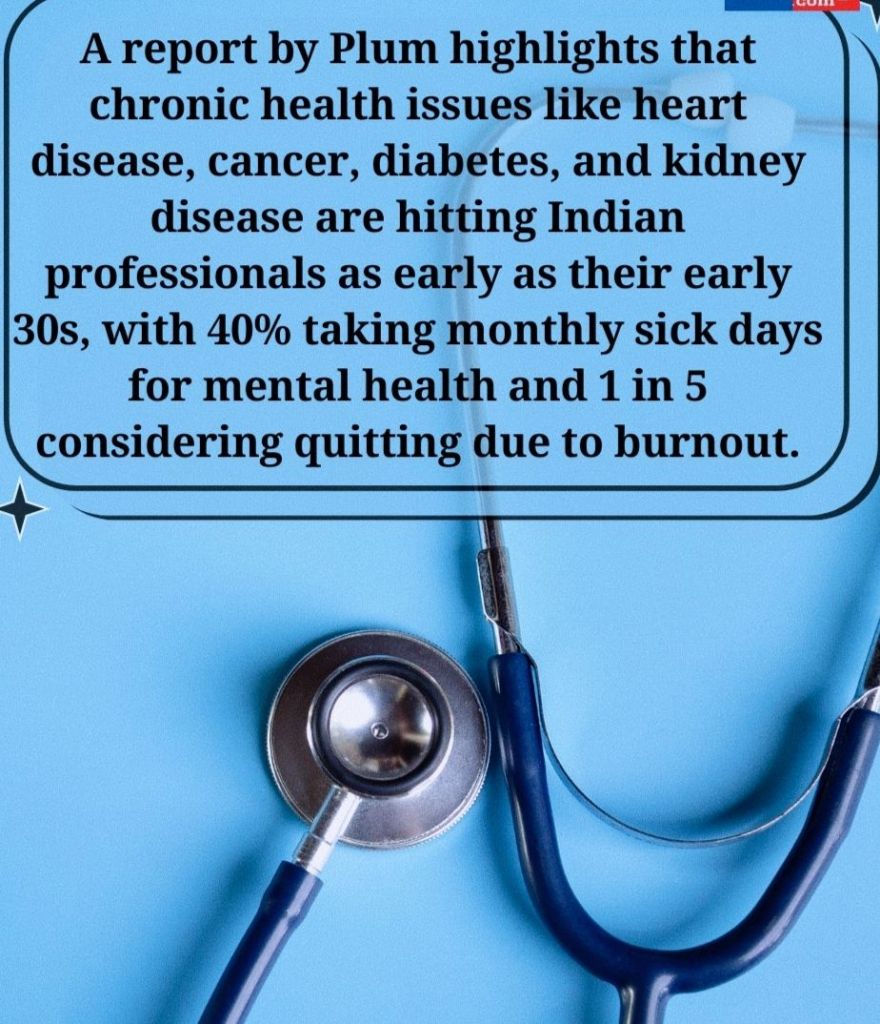
From the employees’ viewpoint, the quest for a sustainable work-life balance often clashes with corporate demands. Many report extended shifts and an environment thick with pressure that can lead to burnout. Although management professes a commitment to fostering innovation, the integration of flexible work arrangements, such as remote work policies, lags behind global counterparts, curtailing employees’ ability to navigate their personal and professional lives effectively.

Job security presents yet another contradiction. Core employees typically enjoy stability and clear pathways for growth, while entry-level and blue-collar roles are characterized by precarious conditions often reliant on contractual agreements. This instability, particularly in sectors like infrastructure, leads to heightened attrition rates as mid-level managers pursue workplaces better aligned with their needs and values.
Opportunities for career advancement are also inconsistently distributed. High achievers often ascend rapidly, gaining access to skill development initiatives, yet structural limitations mean only a handful reach top leadership positions. Although organizations may tout learning and development opportunities, their sporadic implementation casts doubt on a genuine commitment to nurturing employee progression.
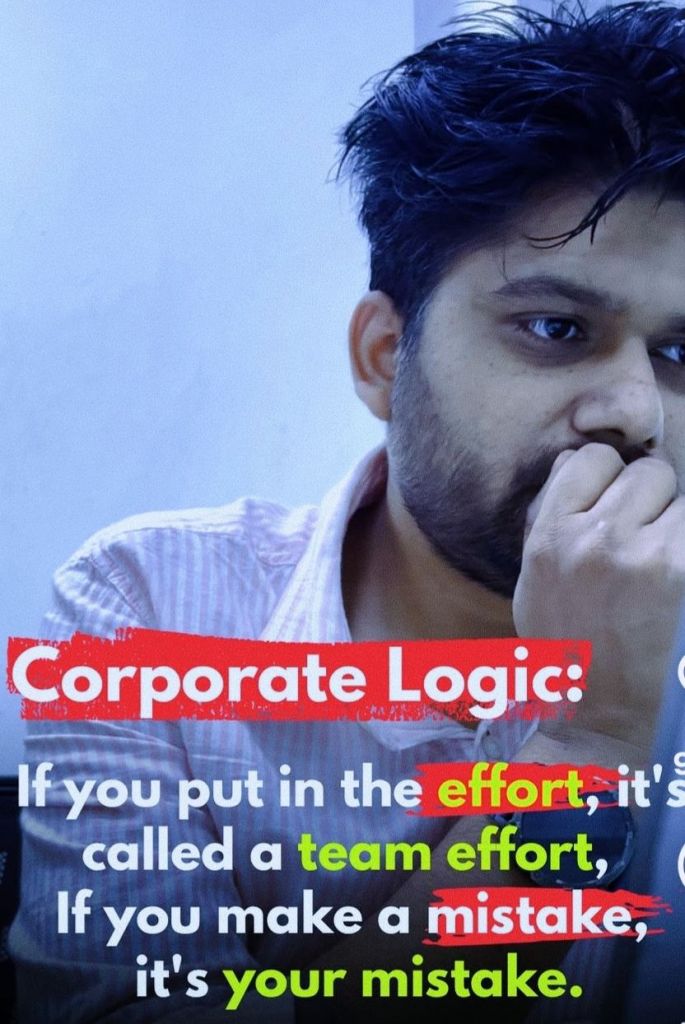
The challenge of workplace diversity and inclusivity persists as a notable concern. Many conglomerates still exhibit male-dominated leadership, despite ongoing efforts to bolster representation and promote culturally inclusive environments. Biases ingrained in hiring practices and career trajectories continue to hinder the progress of building a truly inclusive organization.
A closer examination of these corporate entities reveals distinct variations in their work cultures. Some adopt a tech-driven expansion model, fostering a fast-paced, innovation-centric environment, while others adhere to a more traditional infrastructure approach, often amplifying project management demands. Recognizing and embracing these differences is key in framing strategies for workplace improvement.
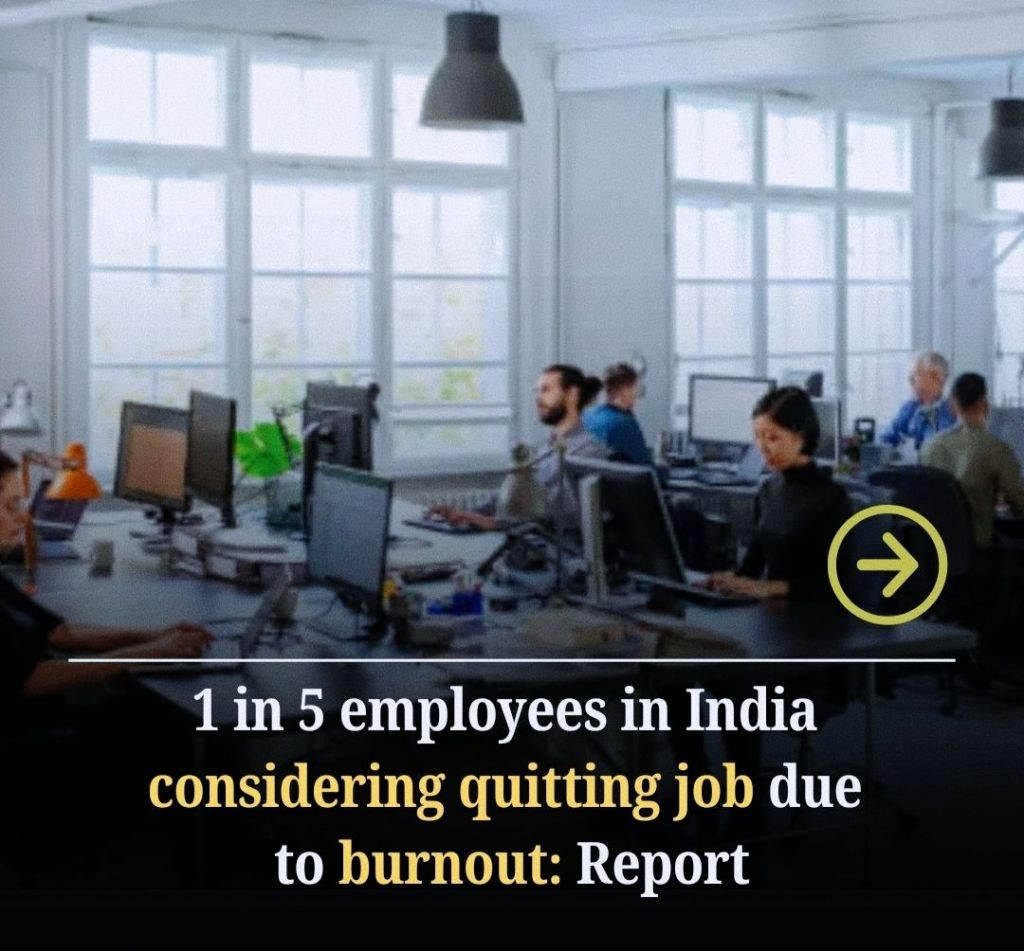
To navigate these multifaceted challenges and optimize the employee experience, several strategic approaches warrant consideration. Embracing flexible work policies can significantly mitigate burnout and promote a more harmonious work-life balance. Transitioning to flatter organizational structures that decentralize decision-making can not only empower employees but also cultivate a vibrant, adaptable workplace. Prioritizing employee welfare through enhanced mental health support and improved childcare facilities could elevate overall satisfaction.
Furthermore, establishing transparent career pathways that delineate promotional criteria can help retain talent and reduce turnover. Lastly, a commitment to ethical labour practices that improve conditions for blue-collar and contractual workers can engender a positive organizational culture, uplifting employee morale across the board.
In summary, the cultures of these corporate giants in India illustrate a captivating mix of ambition, competition, and the essential need for humane practices. While offering unmatched opportunities for growth and financial reward, it is imperative for these organizations to evolve and prioritize employee well-being, inclusivity, and ethical labour practices. Balancing the aspiration for growth with a sincere commitment to humanity will be vital as these corporate titans strive to retain top talent and cement their positions as leaders within the Indian business landscape.
Visit arjasrikanth.in for more insights
 SOCIAL PERSPECTIVES