
From Kamal Haasan’s Linguistic Firestorm to Aamir Khan’s Intolerance Tango, Unpacking the Wild World of Film Promotion Through Public Outrage!
In the glitzy world of Indian cinema, where dreams are sculpted on silver screens and actors ascend to demigod status, a strange new script has emerged—one where controversy is the lead character. The recent linguistic uproar ignited by Kamal Haasan during the audio launch of Thug Life (2025) offers a masterclass in how film promotions have morphed into calculated chaos. “Kannada was born out of Tamil,” he declared—an academic claim with explosive consequences. But was it a slip of the tongue or a PR stunt aimed at igniting public frenzy?

The reaction was immediate. Pro-Kannada outfits erupted in fury, decrying Haasan’s remark as a direct assault on their cultural identity. Posters were torn down, protests surged across Karnataka, and the Karnataka Film Chamber of Commerce threatened a ban. Yet, amidst the outrage, Haasan stood defiant, refusing to apologize. He invoked the Constitution, claiming a right to free speech, but the Karnataka High Court wasn’t amused. The judges, echoing the collective discomfort of a state, accused him of stirring linguistic unrest—underscoring how deeply such words cut into the regional fabric.
But Haasan is not a pioneer in this risky art form. He’s merely the latest star to weaponize controversy as a marketing ploy. Recall Aamir Khan’s now-infamous comment about growing intolerance in India. Delivered in 2015, just ahead of Dangal’s release, it led to calls for boycotts and angry mobs. Yet the film shattered box office records. The outrage, ironically, only increased public curiosity. Aamir’s films became talking points at dinner tables, not because of their content, but the storm around them.

Similarly, Deepika Padukone’s Padmaavat became the eye of a political hurricane. Even before its release, protests by Rajput groups accused it of historical distortion. Threats were hurled, death warrants unofficially issued, and state-wide bans imposed. But when the Supreme Court intervened and the film finally released (albeit with disclaimers and a new name), it smashed expectations. The controversy that was meant to bury it, in fact, resurrected it in grand style.
Shah Rukh Khan, the so-called “King of Bollywood,” found himself in the crosshairs when he expressed support for Pakistani cricketers during IPL season—a statement that was seen as unpatriotic. Maharashtra erupted, his film My Name Is Khan was attacked, and security had to be beefed up. But once again, curiosity conquered outrage. People lined up, partly in solidarity, partly in intrigue.

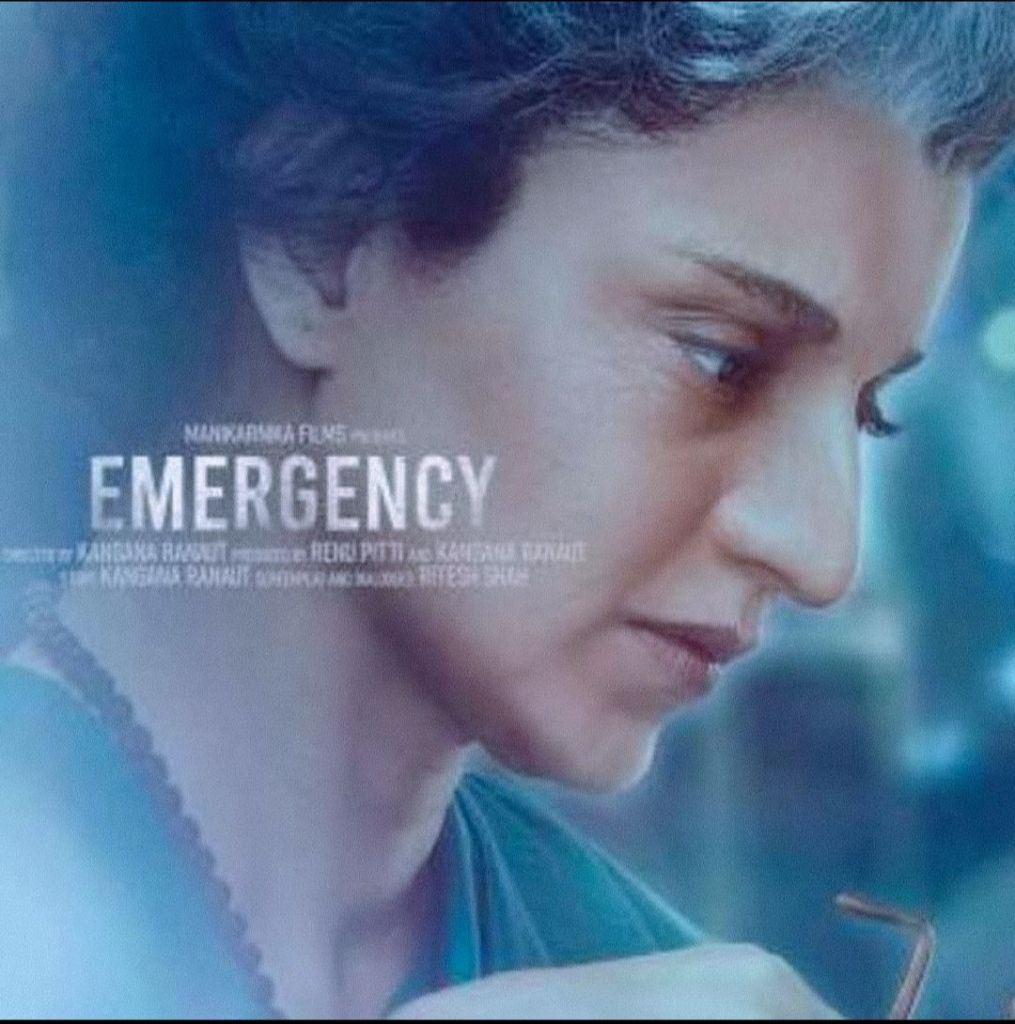
Even outside of language and politics, controversy finds fertile ground. Kangana Ranaut’s Emergency (2025), where she dons the persona of Indira Gandhi, was branded by critics as historical revisionism in saffron hues. While some states banned it and protests raged, the media spotlight on the film ensured it stayed in headlines. Kangana, never one to back down, milked the moment with fiery soundbites, blurring the line between patriotism and provocation.
So why do actors and filmmakers repeatedly wade into this swamp of outrage? Simple—visibility. In a marketplace flooded with content, attention is currency. A controversial statement guarantees front-page headlines, primetime debates, and a billion tweets. It transforms an upcoming film from yet another release into a “must-watch” cultural flashpoint.
But this isn’t without risk. Veteran actor Naseeruddin Shah, for example, spoke about cow vigilantism being more dangerous than terrorism—a comment that led to widespread condemnation and boycotts of even his older films. Similarly, Vishal Bhardwaj’s Haider drew criticism for its portrayal of the Indian Army, triggering a storm in Jammu. Urvashi Rautela’s flippant remark about safety post a celebrity stabbing derailed her film Daaku’s promotions, forcing a public apology.
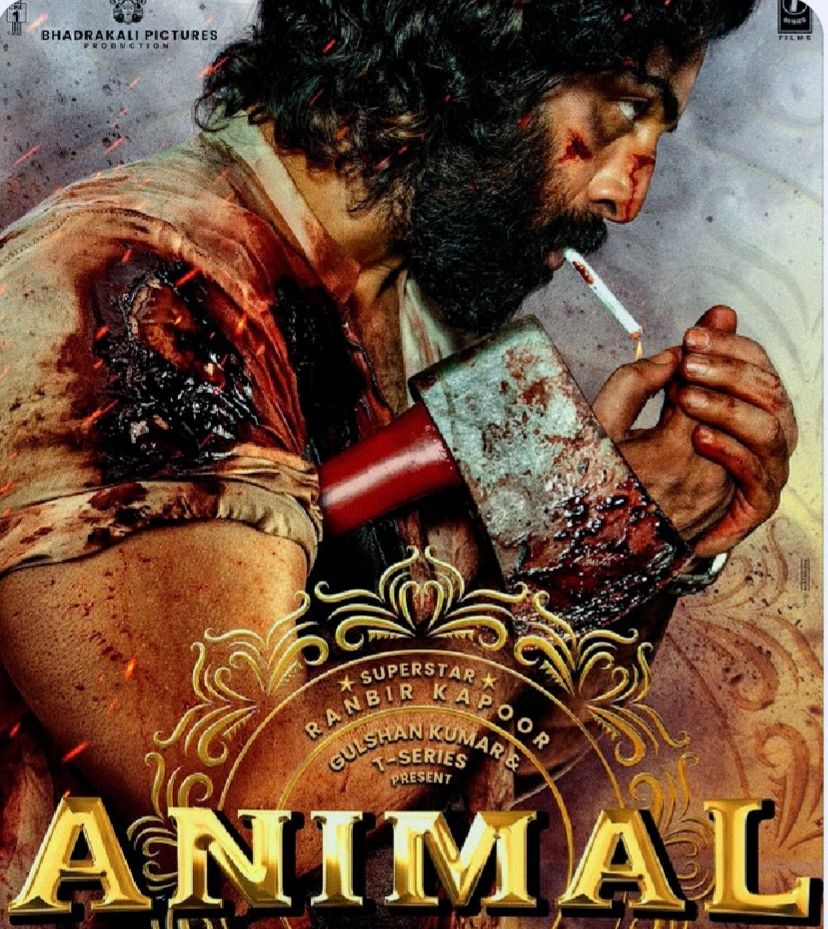
With social media acting as both amplifier and executioner, the cost of controversy has escalated. One comment can unleash a thousand trolls, disrupt film releases, and permanently stain reputations. Audiences today are not just viewers—they’re activists, fact-checkers, and unforgiving critics. When Ranbir Kapoor’s Animal was accused of glorifying toxic masculinity, it didn’t affect ticket sales, but it sparked debates about cinema’s social responsibilities.
This strange alchemy of outrage and economics raises a deeper question—have Indian filmmakers and stars lost faith in the power of story? Is shock now a strategy, and offense a marketing budget in disguise?
Kamal Haasan’s case is emblematic of this shift. A titan of Indian cinema, known for his intellect and innovation, he chose to stoke linguistic pride and prejudice instead of allowing Thug Life to shine on its own merit. Perhaps he knew that the quickest way to the limelight was not through the film’s narrative but through a carefully engineered media storm.
In the end, the audience becomes the ultimate judge. Some embrace the chaos, others retreat from it. But as long as controversy continues to generate clicks, headlines, and ticket sales, Indian cinema may remain trapped in this loop of deliberate provocation. The script, it seems, has already been written. And like any blockbuster, it ends not with resolution—but with anticipation for the next controversy to take center stage.
Visit arjasrikanth.in for more insights
 SOCIAL PERSPECTIVES