
From Liberation to Alignment—Dhaka’s ideological drift toward Beijing and Islamabad could reshape the region’s balance of power.
In the complex and often volatile geopolitical landscape of South Asia, recent developments in Bangladesh are raising serious concerns. As radical elements gain traction within the country, a new and troubling alignment seems to be taking shape—an emerging nexus that links Bangladesh with Pakistan and China. This potential axis carries profound implications not only for Bangladesh’s internal stability but also for the security dynamics of the broader region.
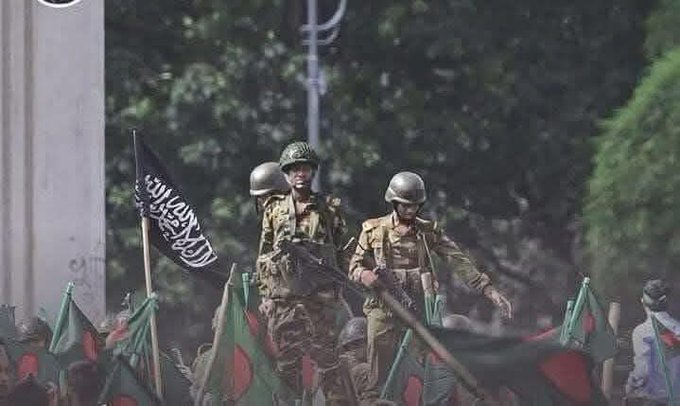
A key flashpoint is the apparent resurgence of radical forces within Bangladesh’s political domain. The recent decision by the Supreme Court to restore the registration of a prominent Islamist party—long banned due to its controversial role in supporting Pakistan during the 1971 Liberation War—has raised alarm over the erosion of the country’s secular foundation. This move signals a broader shift in the political landscape, potentially opening the door for greater influence by fundamentalist ideologies.
Further compounding this concern is the acquittal of a senior political leader previously convicted of crimes against humanity committed during the 1971 war. This reversal undermines the judicial integrity and reconciliatory justice process that Bangladesh has pursued since independence, while simultaneously emboldening radical factions that seek to rewrite the nation’s historical narrative.
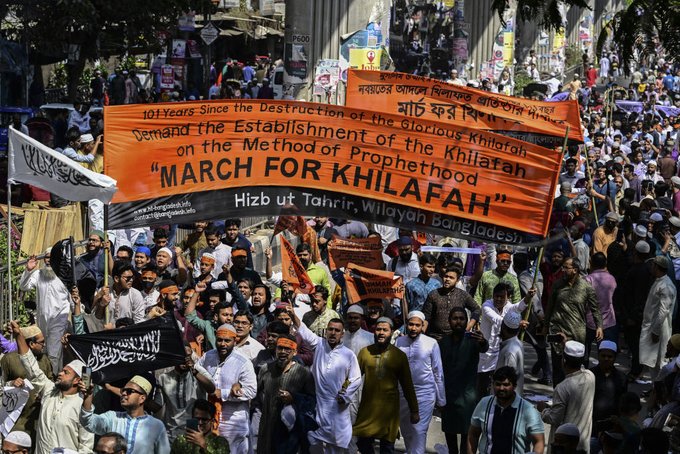
The interim government’s actions suggest an active departure from the legacy of the country’s founding leadership. Symbolic gestures—such as the removal of the founder’s image from currency—reflect a growing trend to side-line secular values. Such moves are interpreted by many as an appeasement of hard-line elements, strategically aligned to secure political leverage in a fragile interim governance scenario.
Behind this domestic transformation lies a larger geopolitical realignment. Increasing signs of warming ties between Bangladesh and Pakistan, coupled with deepening engagement with China, suggest a strategic shift that could disrupt the balance of power in the region. China’s expansive economic footprint through infrastructure investments and strategic projects across Bangladesh is already well established. What is concerning now is the apparent political pivot that complements this economic partnership.

If Bangladesh further aligns with Pakistan—its former adversary—and deepens strategic cooperation with China, a new regional bloc may emerge, driven by shared interests that run counter to India’s security imperatives. For India, which supported Bangladesh’s liberation and has historically upheld close ties, this evolving triangle is particularly disconcerting.
India’s apprehension stems not just from foreign alignments but from the ideological shift within Bangladesh itself. The legitimization of radical political actors and the weakening of secular governance present risks of cross-border ideological spill over, communal unrest, and increased instability along sensitive frontier areas.
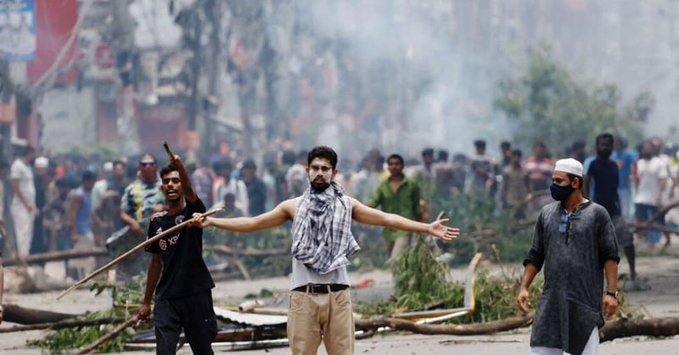
Amid these developments, Bangladesh faces an existential challenge. Will it preserve its foundational principles of secularism, democracy, and justice, or will it veer toward a trajectory shaped by expedient alliances and ideological concessions? The answers to these questions will not only determine Bangladesh’s internal coherence but will also influence the strategic architecture of South Asia.
In conclusion, the rise of radical elements within Bangladesh, juxtaposed with its pivot toward a Pakistan-China nexus, marks a pivotal moment in South Asian geopolitics. The situation demands careful monitoring, diplomatic engagement, and a unified regional strategy to safeguard democratic values and regional stability. The world watches closely as Bangladesh stands at a historic crossroads—its choices today will shape the future of South Asia for years to come.
Visit arjsrikanth.in for more insights
 SOCIAL PERSPECTIVES