
A $2 Trillion Dream Collides with 130 Days of Red Tape, Egos, and Political Whiplash
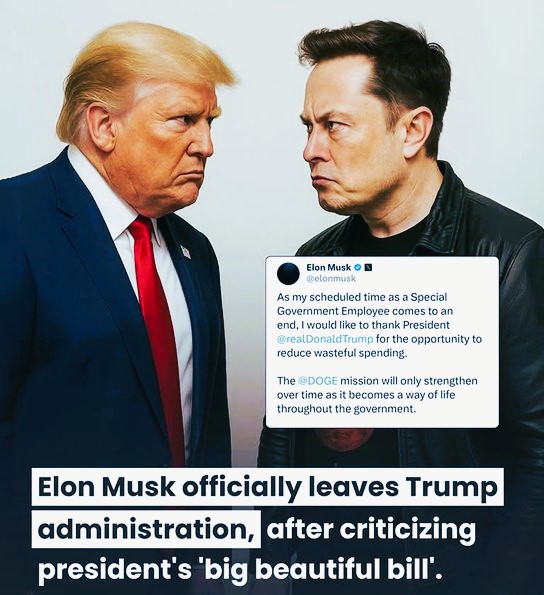
On May 29, 2025, the corridors of Washington, D.C. experienced a seismic political tremor as Elon Musk tendered his resignation from the Trump administration. Appointed as a “special government employee” to helm the newly constituted Department of Government Efficiency (DOGE), Musk’s mandate was audacious: to streamline federal operations and execute sweeping fiscal reforms. Yet, his brief and turbulent tenure underscores a sobering truth—transformational change in the public sector often eludes even the most visionary of private-sector disruptors. His departure not only concludes a high-stakes experiment in bureaucratic reinvention but also lays bare the enduring frictions between technocratic ambition and institutional inertia.
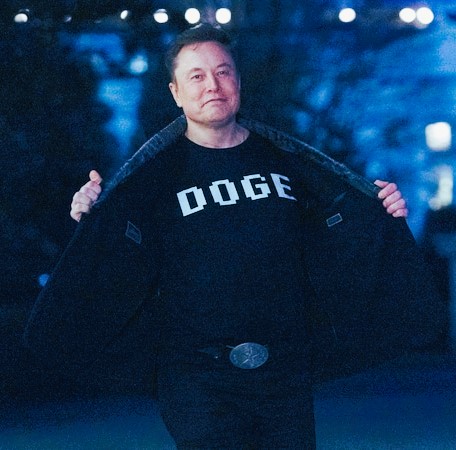
Musk’s exit is the culmination of a complex interplay of structural limitations, ideological clashes, and personal frustrations. His appointment—technically capped at 130 days under the designation of “special government employee”—was a legal innovation meant to circumvent conflict-of-interest statutes without demanding full divestment from his corporate holdings. While this arrangement initially appeared to be a shrewd compromise to leverage Musk’s entrepreneurial dynamism, it rapidly devolved into a liability, severely curtailing his ability to implement lasting reform. The inherent temporal constraints rendered his role more symbolic than substantive.
At the heart of Musk’s disillusionment was the stark misalignment between his expansive vision and the glacial pace of federal operations. DOGE initially announced a staggering $2 trillion in prospective savings through aggressive cost-cutting, but those projections were subsequently revised to a far more modest—and heavily contested—$175 billion. Independent fiscal analysts criticized the revised figure as overly optimistic, casting doubt on the credibility of DOGE’s methodologies. Musk, candid in his assessment, declared, “The federal bureaucracy is far worse than I imagined… an uphill battle.” His frustration reveals not just the limits of one man’s influence, but also the systemic barriers to efficiency within a sprawling administrative apparatus designed more for stability than speed.
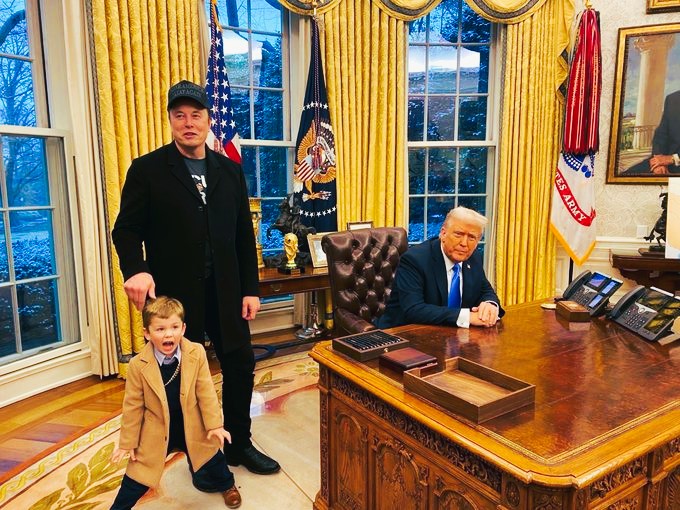
Adding to the turmoil were Musk’s increasingly public disagreements with President Trump and senior White House officials. His open critique of Trump’s flagship “Big Beautiful Bill” as fiscally reckless ignited ideological friction that the administration struggled to contain. Clashes with key aides like Stephen Miller, as well as several cabinet members, exposed deep schisms in governance philosophy and eroded any internal consensus required for bold reforms. What began as a visionary partnership quickly devolved into a battleground of egos and competing agendas.
Simultaneously, Musk’s immersion in politics began to imperil his corporate interests. Tesla, in particular, faced a backlash fueled by consumer boycotts and investor anxiety, resulting in a notable decline in both sales and market valuation. Pressure mounted from shareholders urging Musk to disengage from political theatrics and return focus to operational leadership. His decision to withdraw followed an underwhelming return on his $300 million investment in the Trump 2024 campaign, especially after key Republican congressional defeats. Ultimately, Musk concluded that the survival and sustainability of his business empire necessitated a withdrawal from partisan entanglements.
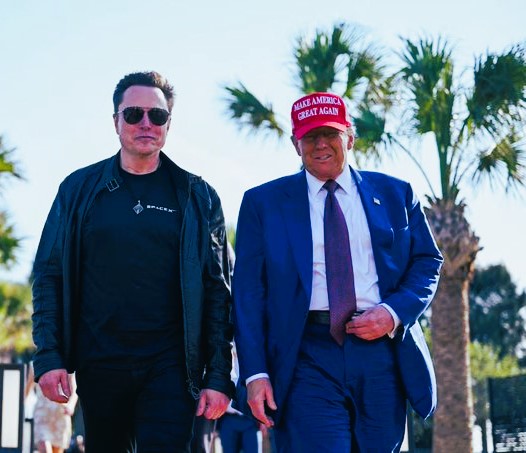
DOGE’s future in Musk’s absence now hangs in the balance. While President Trump has vowed to uphold the department’s mission, it is evident that without Musk’s charismatic and confrontational leadership, DOGE risks devolving into yet another bureaucratic office with limited influence. Cabinet-level departments, previously subordinated to DOGE’s mandates, are expected to reassert control, favoring procedural conservatism over radical efficiency. Furthermore, legal investigations into DOGE’s more controversial interventions—including abrupt layoffs affecting over 260,000 federal workers—could stall or undo its few tangible achievements. Agencies such as USAID and USDA, which experienced significant restructuring under Musk’s brief reign, remain mired in organizational disarray, with long-term repercussions yet to fully materialize.
Politically, Musk’s resignation could precipitate a reshaping of internal dynamics within the Republican Party. His critiques have emboldened fiscal conservatives advocating for tighter federal budgets, potentially deepening ideological rifts within the GOP. As Musk scales back his financial patronage and influence, a leadership void may emerge—one that challenges the party to redefine its identity in an era of growing populism and technocratic skepticism.
Retrospectively, Musk’s foray into federal governance offers a compelling, if cautionary, narrative about the collision between entrepreneurial disruption and governmental pragmatism. While some reforms initiated under his stewardship may persist, they are overshadowed by the polarizing methods and collateral controversies that defined his tenure. According to a recent Washington Post poll, public opinion remains sharply divided, with a significant plurality expressing disapproval of his approach.
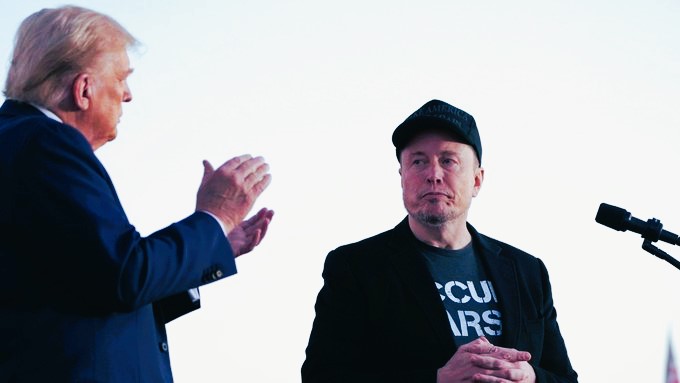
In an era where political systems oscillate between bold innovation and institutional preservation, Musk’s saga stands as an instructive case study on the limits of private-sector intervention in public-sector governance. As he retreats to the boardrooms of his corporate ventures, Washington is left to recalibrate its ambitions—without the outsized personality that dared to challenge the status quo. The question that lingers is not only what legacy Musk leaves behind, but whether any future reformer can navigate the same terrain without becoming ensnared in its contradictions.
Visit arjasrikanth.in for more insights
 SOCIAL PERSPECTIVES