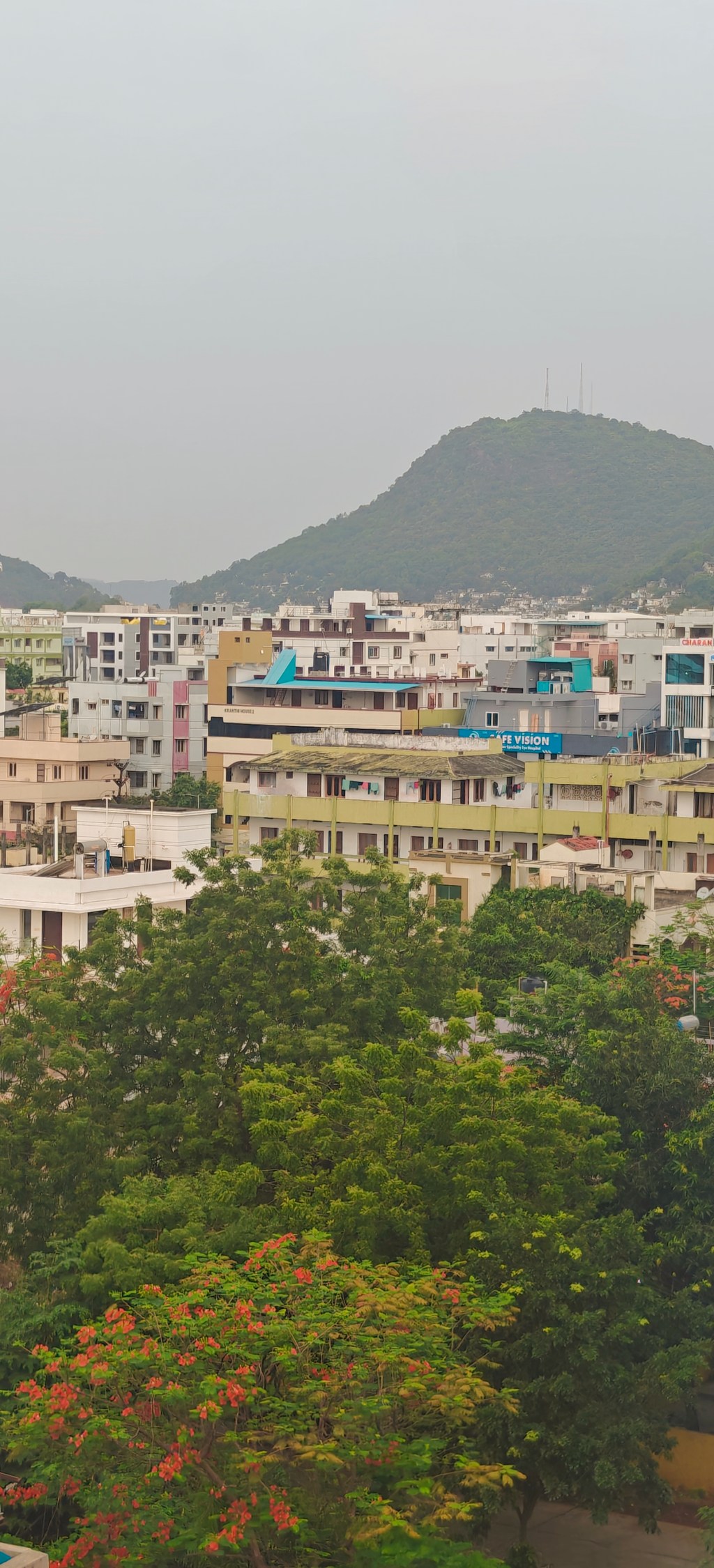
As Vijayawada bakes under a brutal 47°C summer, the city must choose between becoming a green sanctuary or an urban pressure cooker
As Vijayawada wilts under the unforgiving blaze of summer, temperatures consistently pushing 47°C have turned the city into a veritable furnace. What was once a proud showcase of cultural richness and rapid urban growth is now precariously balanced on the edge of an environmental breakdown. This blistering heat isn’t just an inconvenience—it’s a full-blown health hazard, urban dysfunction, and ecological warning sign. And yet, amid this complexity, one solution glows with simplicity and promise: greening.

In recent decades, Vijayawada’s expansion has come at a cost. Urban sprawl has ballooned its developed area from 28.2 km² in 1990 to a staggering 150 km² by 2023. This explosive growth has devoured natural vegetation, replacing it with heat-absorbing concrete and asphalt. Between 2001 and 2014 alone, the city’s high-temperature zones swelled from 31,104 hectares to 47,502 hectares and now multiplied . What once provided shade, oxygen, and ecological balance has been flattened and paved. The per capita green space has plummeted to just 16 m²—well below global standards—rendering vast swathes of the city vulnerable to extreme thermal stress.
A major culprit in this warming crisis is the Urban Heat Island (UHI) effect. Vijayawada’s dense buildings, tarred roads, and barren hillocks are soaking up heat by day and radiating it by night, creating heat traps that smother neighbourhoods. The city’s topography once played a moderating role—hillocks and tree canopies softened heat, while water bodies balanced temperature swings. But the transformation of green hills into sun-scorched stone and the inadequate use of the Krishna River’s cooling potential have nullified those natural defences. Studies have shown that water bodies can cool their surrounding areas by up to 2,000 meters, yet Vijayawada has yet to meaningfully integrate this insight into its planning.
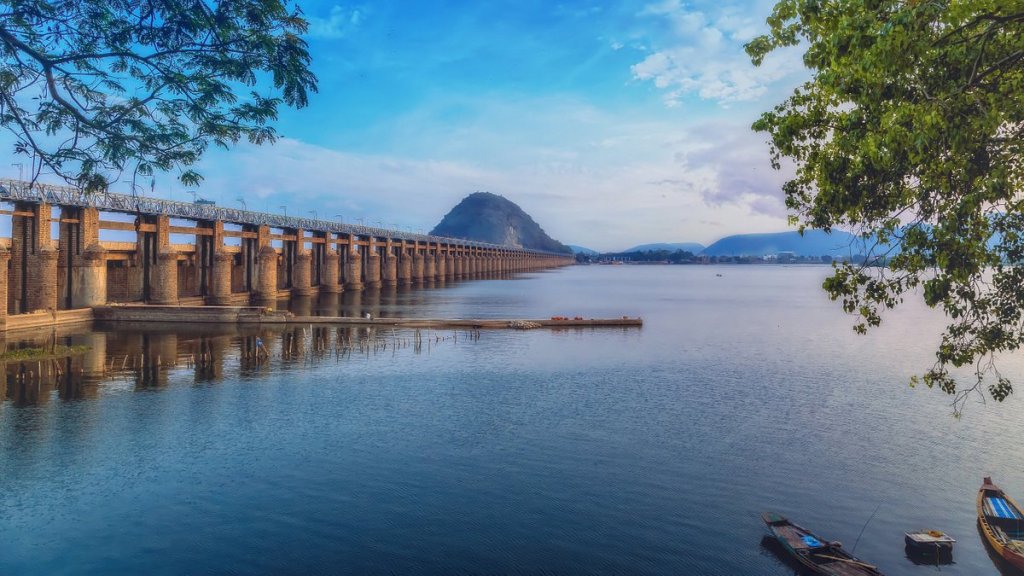
Despite the dire statistics, the road to relief is neither abstract nor distant—it lies in strategic greening. Urban forestry, green roofs, street trees, and revitalized hillocks aren’t ornamental luxuries; they are urban necessities. Green corridors connecting parks, riverbanks, and tree-lined roads could act as ecological lungs, simultaneously cutting heat and enhancing biodiversity. These solutions, already proven in cities around the world, could recalibrate Vijayawada’s thermal equation.
Modern tools like the Transformed Difference Vegetation Index (TDVI) can help identify neighbourhoods and zones most in need of green intervention. This data-centric approach ensures that efforts are not just symbolic, but surgically targeted. As the population continues to surge, incorporating green buffers within urban development becomes critical. Planning must ensure that the density of people doesn’t come at the expense of the density of trees.
But it’s not just about planting trees—it’s about planting smart. Aligning major afforestation drives with the monsoon cycle can drastically improve plant survival. Combining greening with water-sensitive urban design, such as rainwater harvesting, bioswales, and riparian buffers along the Krishna River, offers a two-fold benefit: mitigating heat and optimizing water use. These integrated systems can help the city adapt not only to extreme heat but also to irregular rainfall and water scarcity.
Policy must lead this transformation. The Vijayawada Municipal Corporation’s Climate Resilient City Action Plan (CRCAP) offers a foundational step, but it must be matched with robust execution, adequate funding, and community ownership. Private partnerships, NGOs, educational institutions, and local citizens should be drawn into the fold to turn greening from a government program into a civic movement.
Implementation demands a phased approach. In the short term, pilot projects—like vertical gardens on public buildings, shaded bus shelters, and roadside tree canopies—can yield visible impact and community support. The medium term must focus on legislating mandatory green space for new developments and protecting existing vegetation. In the long run, Vijayawada must envision itself as a green mosaic—interconnected patches of ecological richness that cool, clean, and heal the urban fabric.
The benefits of this transformation would be immense. Effective greening could reduce ambient temperatures by up to 5°C. Air quality would improve, heat-related illnesses would decline, and energy consumption for cooling would drop. Biodiversity would flourish in pockets of revived habitat. Most importantly, citizens would reclaim comfort, dignity, and a sense of well-being in their own city.
Vijayawada now faces a defining choice. It can continue down the overheated trajectory of unchecked expansion, where climate change is compounded by poor planning, or it can rise as a model of resilience—an urban phoenix cooled by its canopy. The decision is neither cosmetic nor optional; it is existential.

In a world where cities are racing against the heat, Vijayawada doesn’t need to reinvent the wheel—it simply needs to rediscover its roots, quite literally. Greening isn’t a utopian fantasy. It’s a science-backed, economically viable, and socially enriching response to one of the greatest challenges of our time. The climate clock is ticking. Will Vijayawada green it—or grit through the heat until it can’t anymore?
This is more than a policy question. It’s a survival strategy.
Visit arjasrikanth.in for more insights
 SOCIAL PERSPECTIVES