Build It and They Will Prosper: NAC University Will Revolutionize India’s Construction Industry
As India surges forward in its quest for modernity, a seismic shift is needed to bridge the gaping chasm in its construction workforce. Enter the proposed National Academy of Construction (NAC) University in Andhra Pradesh—a pioneering institution poised to redefine not only the skylines of cities like Amaravati but also the lives of countless individuals seeking prosperity in the rapidly evolving construction sector. With an astounding ₹60,000 crore allocated for capital city development and an astonishing demand for 50 lakh new skilled laborers each year, this initiative represents a critical turning point for both the industry and the economy as a whole.
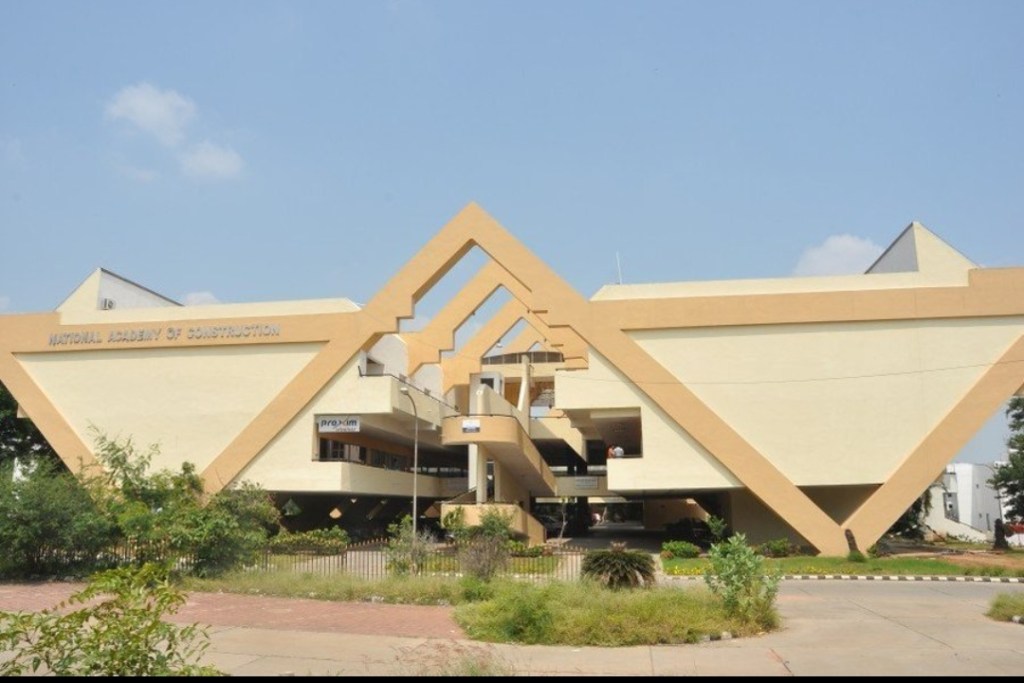
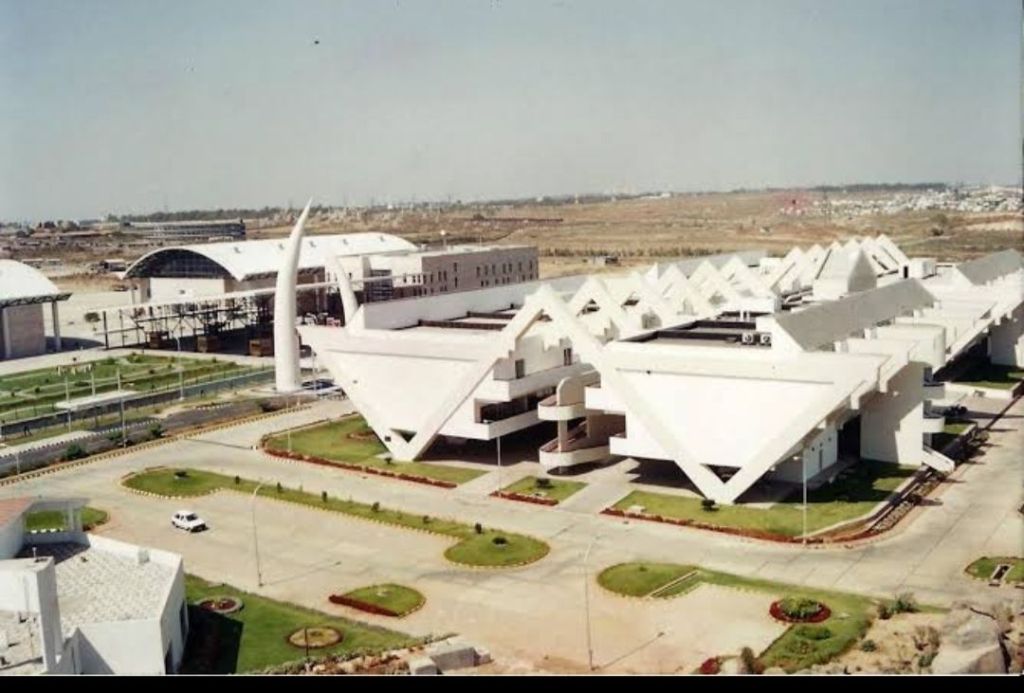
The statistics paint a stark picture: **93% of India’s 45 million construction workers lack formal training**, revealing an unsettling quality deficit that threatens to undermine the very foundations of the sector. Since its inception in 1998, NAC Hyderabad has proven its mettle, transforming over 100,000 untrained workers into certified professionals who have contributed to monumental projects—from Qatar’s World Cup stadium to the smart cities of Singapore. The vision for the proposed university is to elevate this successful framework, infused with strategic corporate partnerships and cutting-edge coursework focused on AI-driven construction techniques and sustainable building practices.

Yet, the road ahead is fraught with challenges. Despite the immense opportunities in the construction industry, many young Indians continue to view jobs in this sector as a last resort. The allure of IT and tech jobs overshadows the potentials found in construction, where skilled workers, such as crane operators and project managers, can command impressive salaries, especially in burgeoning international markets. This underappreciation of construction careers is compounded by employers who often opt for cheap, untrained migrant labour instead of investing in the future of skilled labour.
Moreover, the proposed NAC University, while brimming with promise, could face potential roadblocks from bureaucratic inertia that hampers timely approvals—the very approvals needed as the clock ticks on pressing workforce shortages.
To overcome these hurdles, a multifaceted approach is necessary. First, we must rebrand the construction industry through awareness campaigns that promote the success stories of NAC graduates, highlighting how these certified individuals often out-earn their white-collar engineering counterparts. A movement akin to “Rozgar Mela” could be launched, celebrating the achievements of skilled tradespeople and changing perceptions of construction careers among young professionals.

Second, implementing a mandate that requires all major infrastructure projects to employ a specified percentage of NAC-certified workers would create a robust job market. This law could serve as an immediate catalyst for demand, encouraging investments and creating job security for thousands of young Indians.
Finally, forging partnerships with global construction giants such as Bechtel and Larsen & Toubro (L&T) would pave the way for apprenticeship pipelines, allowing students to gain unparalleled hands-on experience and establish professional networks through prestigious international projects.
The potential rewards of this initiative are monumental. The construction industry is projected to grow into a staggering $4 trillion sector by 2030, and the demand for skilled labor in Gulf Cooperation Council (GCC) nations is skyrocketing. If successfully realized, NAC University could emerge as the Indian Institute of Technology (IIT) equivalent for construction fields.
Imagine a future where entire communities celebrate their children pursuing careers in advanced building techniques, such as robotic concrete pouring, rather than solely traditional paths like coding or software engineering. Envision a time when Indian construction standards become the benchmark of global excellence, with teams training on advanced holographic simulations while international competitors are still relying on outdated methods.
The NAC initiative transcends mere labour and skill development; it seeks to cultivate a new generation of “grey-collar” professionals who blend technical expertise with practical skills, thus enabling them to thrive in the global job market. We must recognize that each year spent delaying modernization in construction education translates into billions lost in foreign contracts to better-trained competitors from countries like the Philippines and Turkey.
There is an urgent need for decisive action. NAC University possesses all the foundational requirements for success—the infrastructure blueprint is ready, corporate partnerships await, and an exponential demand for skilled labor beckons. Now, it is imperative for decision-makers to accelerate the pace of implementation, acting with the urgency of a cement mixer racing against a deadline.
In this frantic competition to construct the cities of tomorrow, it will be those armed with advanced skills, rather than just polished academic degrees, who prevail. The ambition of NAC University is crystal clear: to deliver a workforce capable of building the future, one perfectly laid brick at a time. Through innovation, education, and strategic collaborations, it aims not just to fill gaps but to construct empowering pathways for a new generation poised to shape the nation’s skylines.
As the construction industry evolves, one thing is evident: the future will belong to those who are ready to seize it. The NAC University vision is not merely about filling a void; it is about reimagining the very essence of the construction workforce, creating resilient, skilled professionals equipped to tackle the challenges of tomorrow.
Visit arjasrikanth.in for more insights
 SOCIAL PERSPECTIVES