
Batteries: The Unlikely Heroes Powering Our Green Energy Revolution!
Once merely the silent enablers of our portable gadgets, batteries have emerged as the backbone of the world’s energy revolution. Once synonymous with AA cells and lithium-ion phone packs, batteries are now commanding centre stage in the global transition from fossil fuels to cleaner, renewable energy sources. As the world pivots away from coal and petroleum, advanced energy storage has become a critical pillar of sustainability—propelling batteries into a new era of strategic importance.

This shift is primarily driven by two seismic trends: the rise of electric vehicles (EVs) and the need for reliable renewable energy storage. EVs have captured the global imagination, and at their heart lies not the motor, but the battery—a component that once accounted for up to 50% of a vehicle’s cost. Thanks to rapid technological innovation and economies of scale, battery costs are falling, bringing electric mobility within reach for the average consumer. In a landmark development, battery prices have dipped below $1,000 per kilowatt-hour, signaling an era of accelerating adoption.
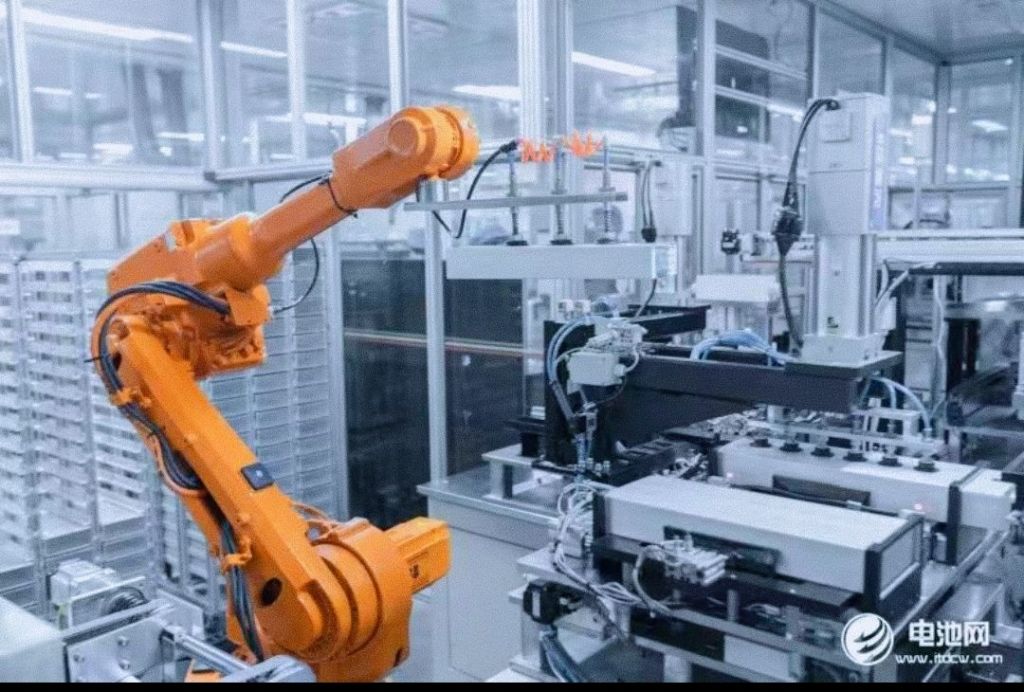
Equally transformative is the role of batteries in stabilizing renewable energy systems. Solar and wind power, by nature, are intermittent. Batteries make it possible to store surplus energy during production peaks and release it during lulls, ensuring grid reliability. Without robust storage solutions, renewable energy integration remains an incomplete promise. Thus, batteries have become the linchpin for achieving climate targets and preventing an escalation in carbon emissions and climate-related disasters.

The evolution of battery technology reflects this growing importance. From lead-acid units used in traditional vehicles to lithium-ion chemistries powering modern EVs and electronics, the advancements are profound. Among Li-ion variants, nickel manganese cobalt (NMC) batteries offer high energy density, while lithium iron phosphate (LFP) batteries provide safety and cost advantages—now accounting for nearly half of new EV batteries globally.

However, the battery revolution brings with it a set of complex geopolitical and ethical challenges. The raw materials powering this transition—lithium, cobalt, manganese, and graphite—are concentrated in a handful of countries. Australia leads in lithium extraction; the Democratic Republic of Congo produces a lion’s share of cobalt, often amid labor and environmental controversies; and China commands over 80% of lithium refining and component manufacturing, creating a strategic chokehold on global supply chains.
India, with its aspirations to electrify 30% of its new vehicles by 2030, finds itself at a crossroads. Historically dependent on lead-acid technology and heavily reliant on battery imports—particularly from China—India is yet to achieve self-reliance in advanced cell manufacturing. Despite promising policy frameworks such as the Production Linked Incentive (PLI) scheme, the absence of operational giga factories casts doubt on the country’s preparedness for an electric future.

The stakes are immense. Beyond economic opportunity, building a domestic battery ecosystem is essential for national energy sovereignty and climate resilience. The path forward demands aggressive investment in R&D, secure raw material procurement through strategic partnerships, and expedited development of local manufacturing capacity.
In this unfolding narrative, batteries are no longer inert objects tucked inside devices—they are instruments of policy, levers of geopolitical power, and the foundation of our collective clean-energy future. For India, and the world, the time to act is now.
Visit arjasrikanth.in for more insights
 SOCIAL PERSPECTIVES