The Silent Siege: Prostate Cancer is Stalking the White House and the World—And Why Men Must Wake Up
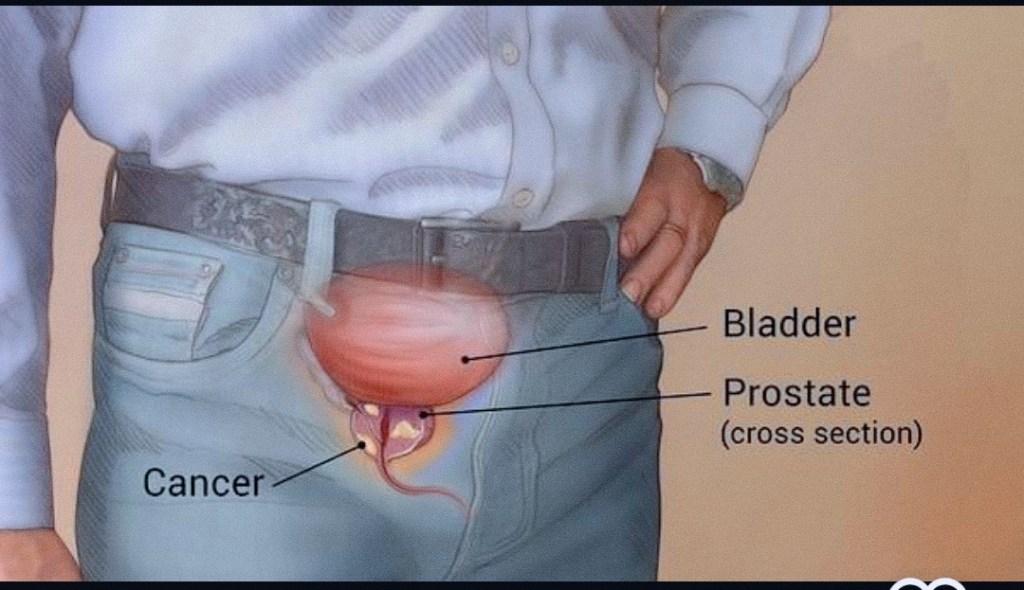
Prostate cancer is often regarded as the silent predator of men’s health, stealthily lurking in the shadows and with a grim new reality—it has infiltrated the very corridors of power. The life-altering impact of this disease has become starkly apparent, underscored by the unfortunate reality that even the most powerful figures are not immune. This disease’s true strength lies in its invisibility: the absence of dramatic symptoms means that many men remain unaware of their health risks until it’s too late. This reality is deeply troubling and highlights the pressing need for increased awareness and proactive measures.
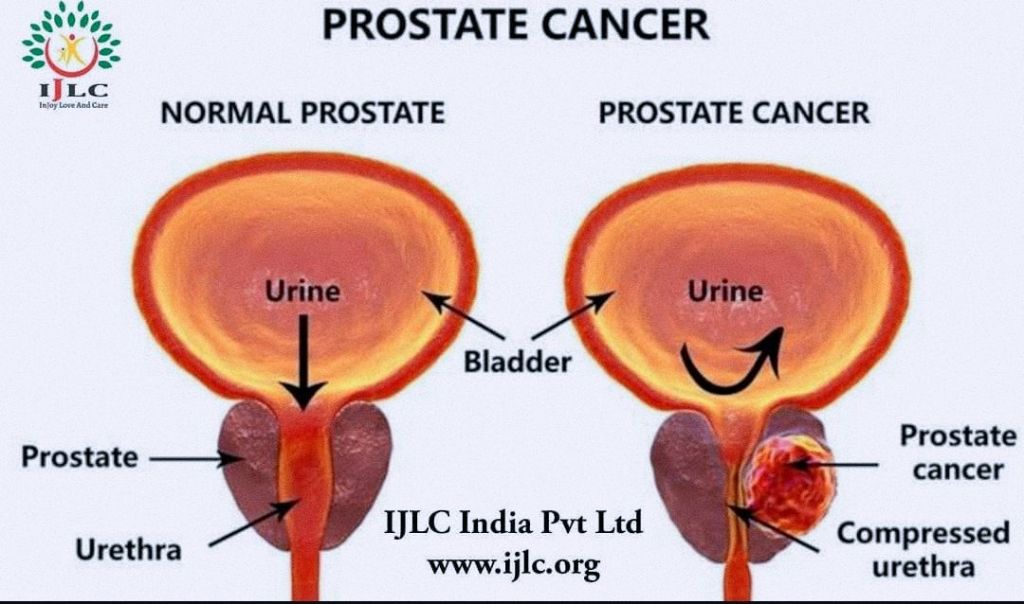
Globally, prostate cancer ranks as the most commonly diagnosed cancer among men, following skin cancer. Shocking statistics remind us of its reach—one in eight men will receive a diagnosis in their lifetime. This is not merely a numerical observation; it is a clarion call to action. The risk escalates significantly after the age of 55, with genetics playing a substantive role in the likelihood of developing the disease. Notably, Black men face a starkly disproportionate risk; they are twice as likely to develop and succumb to prostate cancer compared to their white counterparts. This disparity is rooted not only in biological differences but also in systemic barriers that hinder healthcare access, awareness, and timely intervention.
One of the most alarming trends is the rising number of diagnoses occurring at advanced stages of the disease. Over the past decade, the percentage of men diagnosed with prostate cancer in its advanced stages has more than doubled, increasing from 3.9% to 8.2%. This concerning shift indicates a larger crisis—one not just confined to medical settings but also encompassing societal attitudes and policies. Early screening remains critically undervalued, and many men are not discussing their health openly, resulting in delayed actions that could have been life-saving.

In response to this urgent challenge, recent proclamations have brought the issue of prostate cancer back into public consciousness. Calls for heightened awareness and modernization of screening protocols have gained momentum, emphasizing the importance of funding new research and addressing the racial disparities that permeate healthcare delivery. The renewed conversations surrounding men’s health seek to destigmatize discussions about prostate cancer, encouraging those at risk to take proactive measures.
Celebrities and public figures have stepped into the fray, utilizing their platforms to shine a light on the need for early detection. Survivors and advocates alike are showing that prostate cancer is not merely a personal battle but a collective fight against a disease that affects countless families and communities. Campaigns featuring well-known personalities aim to challenge the social norms that discourage men from seeking help or information, fostering an environment where discussions about health become more normalized.
Despite increasing awareness, significant challenges persist. Racial inequalities remain evident, as Black men continue to experience delays in treatment—even when diagnosed at similar stages as white men. Current healthcare recommendations fall woefully short; for instance, evidence shows that Black men should begin screening at 40 rather than the conventional threshold of 50. Such oversights expose a troubling level of institutional neglect that compromises the health of vulnerable populations.
Barriers to early detection are multifaceted. The silent progression of the disease, paired with pervasive misinformation and societal pressures surrounding masculinity, often leads men to eschew necessary screenings such as PSA tests. Legislation aimed at eliminating financial barriers to screening for high-risk men is currently stalled, highlighting a pressing need for broader support across the political landscape.

To combat this silent epidemic effectively, decisive, equitable action is imperative. Screening guidelines must be adjusted to align with the realities of different risk profiles. Initiatives to deliver culturally relevant outreach are crucial in targeting underserved communities, where skepticism and low awareness could mean life or death for many.
Innovation in medical technology must also factor into the equation. AI-driven diagnostics, enhanced imaging technologies, and refined genetic testing can increase early detection rates while minimizing unnecessary procedures. However, these advancements require robust funding to realize their full potential; support for research programs dedicated to prostate cancer needs to be significantly bolstered.
The path forward is clear but demands urgency and commitment. Public health campaigns must be louder and more authentic, leaving no space for complacency. Equitable healthcare practices must prioritize all men, ensuring that no individual is left behind. Most importantly, men must recognize the reality of their health. If the disease can reach the highest levels of society, it is a clarion reminder that no one is truly invulnerable.

Prostate cancer will not fade into the background quietly, and neither should our efforts to combat it. It has disrupted lives across generations, particularly affecting Black men disproportionately. Yet, with early detection, open conversations, equitable care, and adequate funding, the tide can be turned.
So, for every man out there—especially those over the age of 40—it’s time to take charge of your health. Ask your doctor about screening. Engage in discussions about prostate health. Recognize that silence is precisely what makes prostate cancer so insidious. Awareness and action are the most potent tools we have to fight this disease.
 SOCIAL PERSPECTIVES