Blackboards and Broadband: Cracking the Code of India’s Education Paradox
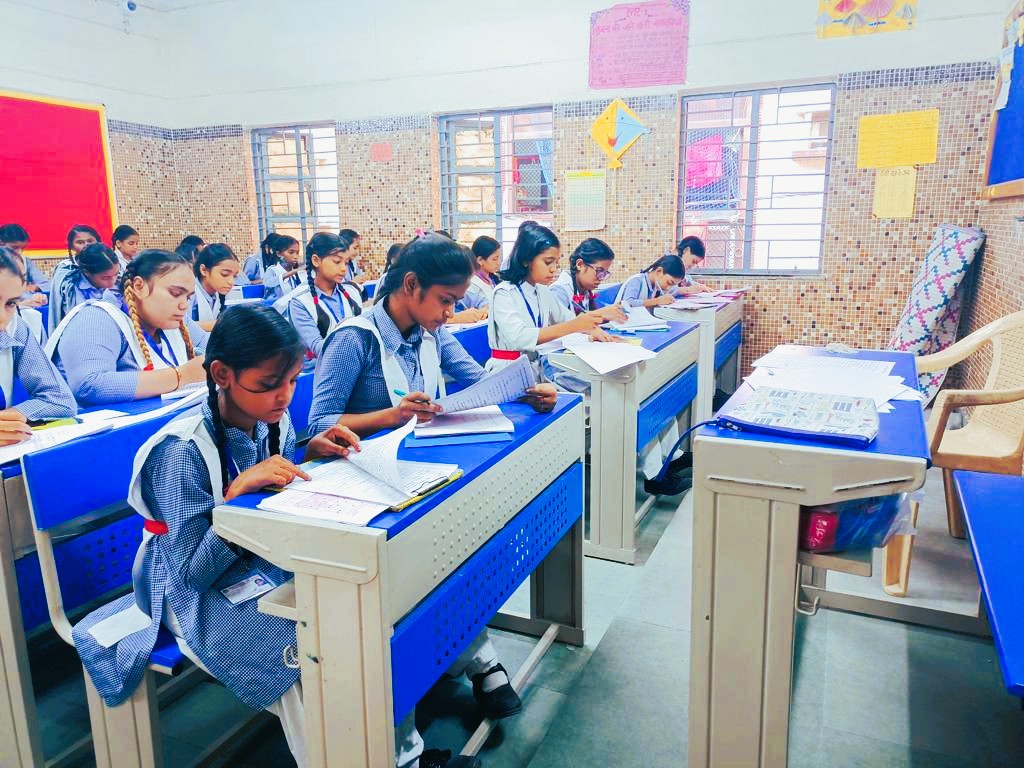
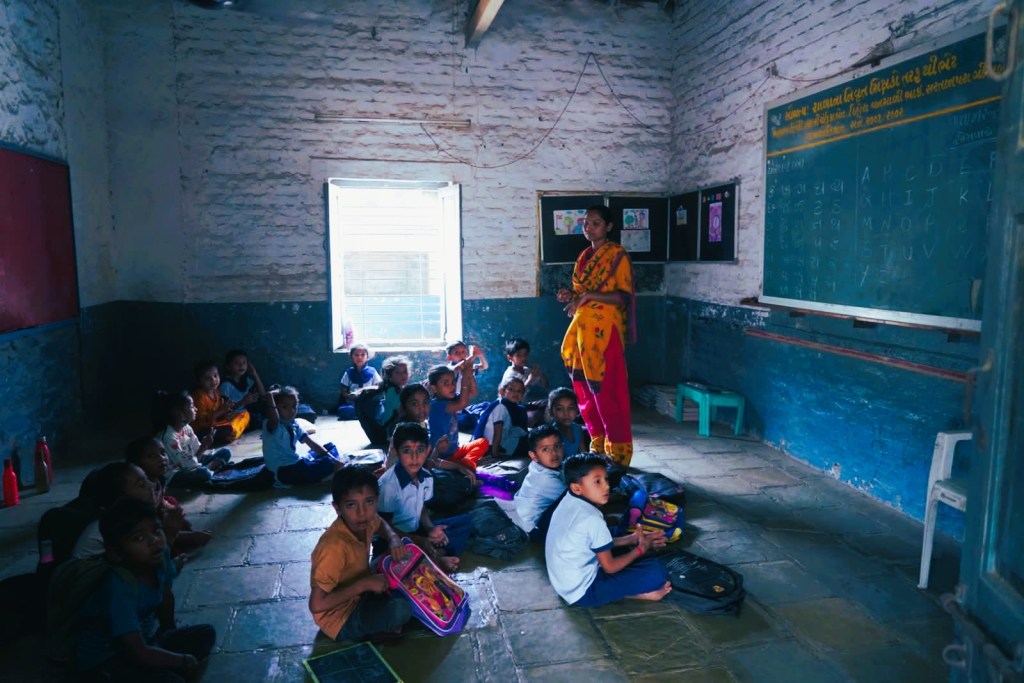
India’s education system stands as one of the world’s largest and most paradoxical public enterprises. With over 1.5 million schools and 265 million enrolled students, it reflects an extraordinary feat of accessibility. Yet this very system is undermined by systemic stagnation. Despite legislative triumphs like the Right to Education Act of 2009, which catapulted enrolment rates past 96%, the problem of inadequate learning outcomes persists with grim consistency. Dilapidated infrastructure, outdated curricula, and an acute shortage of trained educators have entrenched generations of students in a pedagogy rooted in rote memorization, leaving critical thinking and creativity largely unexplored.
Encouragingly, pockets of innovation are beginning to pierce this cloud of inertia. In Kerala, teacher-led literacy campaigns have shown transformative potential, while Rajasthan’s integration of artificial intelligence into mathematics pedagogy illustrates the scalable power of technology. These localised experiments offer hope that meaningful, systemic change is not only conceivable but within reach—provided there is sustained will and strategic alignment.
Central to this transformation is the role of the teacher, often overlooked yet pivotal to any reform effort. The 2019 mandate for 1.3 million untrained teachers to undergo professional development through the National Institute of Open Schooling’s online diploma was a progressive step. Likewise, the redesign of four-year Bachelor of Education programs to include digital fluency and gender sensitivity signals a shift toward 21st-century readiness. Still, reform efforts are often stymied by misguided performance-linked incentives. Evidence from international case studies, such as Israel’s experience with punitive measures, reveals unintended consequences—like increased absenteeism—when pedagogy is reduced to test score arithmetic.

Kerala’s model, in contrast, provides an instructive counterexample. With 55% of schools operating under a government-aided framework, it achieves a balance between institutional autonomy and regulatory oversight. This model has played a critical role in delivering the state’s impressive 96% literacy rate and offers a compelling argument for hybrid governance in education.
Quantitative evaluations, intended to sharpen governance, often present their own dilemmas. The National Achievement Survey, designed to track district-level learning gaps, has been scrutinized for inflated outcomes and susceptibility to political influence. By comparison, the Annual Status of Education Report, run by a non-profit with a grassroots approach, enjoys greater credibility. Similarly, the 70-indicator Performance Grading Index—though comprehensive—suffers from irregular updates and limited usability, reducing its utility as a decision-making tool. Misinterpretation of such data can lead to regressive policies; for instance, West Bengal’s closure of under-enrolled schools post-RTE inadvertently disenfranchised thousands of students from underserved areas.

On a more hopeful note, technology is proving a catalytic force where implemented thoughtfully. Maharashtra’s DIKSHA platform, serving nearly 10 million teachers, exemplifies the role of digital infrastructure in democratizing access to high-quality resources. The upskilling of nearly 80% of educators on this platform underscores its transformative potential. Tools like Mindspark’s adaptive learning software, piloted in Delhi, have yielded notable academic improvements in mathematics at a fraction of traditional costs. Rajasthan’s adoption of this model across 500 schools further underscores its replicability, having slashed grade-level learning gaps by 40%.
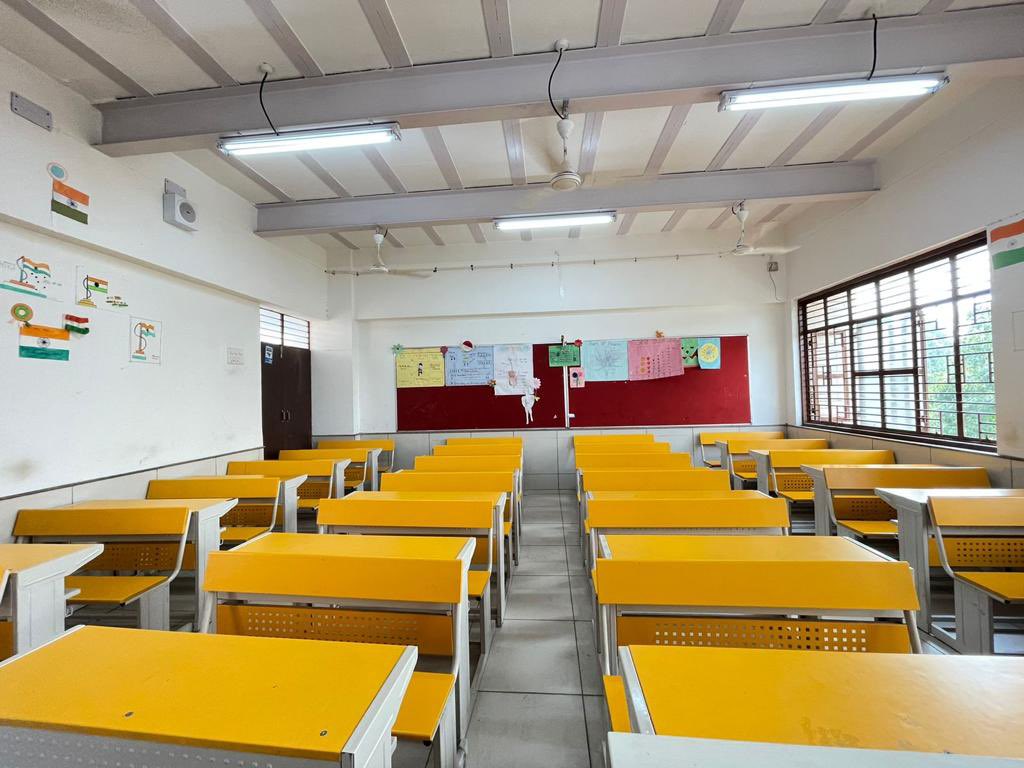
Still, the digital divide remains a formidable barrier. Only 26% of government schools are equipped with functional computers. Free e-learning initiatives such as SWAYAM, while commendable, disproportionately serve urban populations. Moreover, access to hardware is meaningless without supporting elements like electricity, internet bandwidth, and trained personnel. These missing links compromise the inclusivity and effectiveness of digital initiatives, particularly in rural and tribal geographies.
The financial landscape offers similar contrasts. The Quality Education India Development Impact Bond, which generated $3 million to improve learning outcomes for 200,000 students, demonstrated not only an 8% return for investors but a 2.5x acceleration in student progress. However, such models risk incentivizing short-term, quantifiable achievements at the expense of addressing deeper systemic inequities. Comprehensive reforms like the Samagra Shiksha Scheme—intended to unify primary, secondary, and teacher education—often falter under the weight of bureaucratic silos and inconsistent implementation.
Social equity remains the fulcrum on which true educational reform must pivot. Disparities driven by caste, gender, and geography continue to shape access and achievement. National metrics often overlook this “education debt” rooted in historical exclusion. While schemes like the Rashtriya Aavishkar Abhiyan encourage STEM learning among marginalized students, their reach remains limited. The statistic that only 12% of rural girls pursue science beyond Grade 10 underscores the urgency of targeted interventions.
Tamil Nadu’s Breakfast Scheme, when integrated with the mid-day meal program, exemplifies a low-cost, high-impact solution to this complex web of challenges. Its implementation across 10,000 schools has reduced dropout rates by 15%, illustrating the tight interlinkage between nutrition and cognitive performance. In contrast, the absence of fundamental amenities—like functional toilets in 47% of schools—speaks volumes about the underlying conditions that silently sabotage educational aspirations every day.
India’s education system today reflects both the enduring legacy of colonial design and the fierce ambition of a rising global power. While localized innovations from Kerala to Rajasthan suggest replicable models, meaningful change will demand more than programmatic tweaks. It requires a tectonic shift—from top-down mandates to decentralized governance, from budgetary lip service to genuine equity-driven allocations.
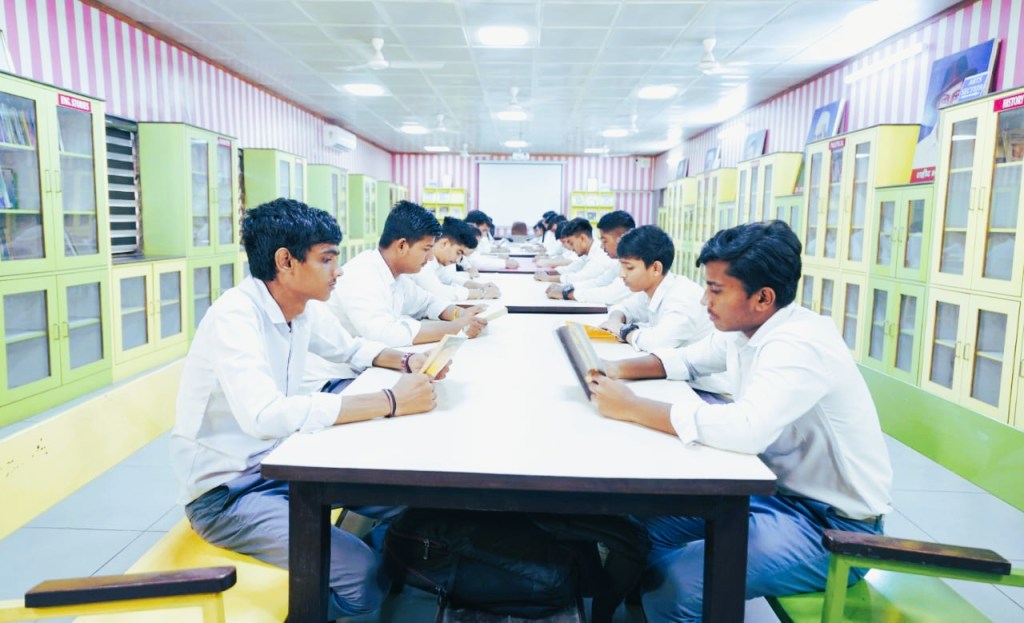
The future of India’s education cannot be measured solely by smartboards in metro classrooms. Its success will depend on how effectively it can replace chalk dust with broadband access in forgotten villages. It will require sustained political will, societal introspection, and a deep commitment to inclusion—only then can we claim to have truly educated a nation.
Visit arjasrikanth.in for more insights
 SOCIAL PERSPECTIVES