
India’s Digital Hangover: Drowning in 3 Million Tons of Toxic E-Waste – Can This Tech Graveyard Become a Goldmine?”**
The glow of India’s digital revolution has a dark shadow – one that spreads through our slums, seeps into our soil, and courses through our waterways. As our nation celebrates crossing 750 million internet users and becoming the world’s second-largest smartphone market, we’re quietly amassing a toxic legacy that could haunt generations. The discarded remains of our tech addiction – 3.2 million metric tonnes annually and growing – tell a story of progress built on poison, of innovation that breeds contamination.

Beneath the gleaming surfaces of our IT parks and startup hubs lies an invisible India where technological advancement exacts a terrible human cost. In the labyrinthine bylanes of Delhi’s Seelampur or Bengaluru’s Mandur, children barely tall enough to peer over worktables spend their days dismembering our digital castoffs. Armed with nothing but screwdrivers and bare hands, they crack open lithium-ion batteries that could explode at any moment, inhale toxic fumes from melting plastic, and soak circuit boards in acid baths to extract precious metals. These child laborers – some as young as eight – represent the dirty secret of our disposable gadget culture, paying with their health for our upgrade cycles.
The numbers paint a horrifying picture of systemic failure. While India’s E-Waste (Management) Rules mandate responsible recycling, over 90% of our electronic waste disappears into this dangerous informal sector. A recent study found lead concentrations in e-waste recycling sites at 300 times safe levels, with mercury and cadmium poisoning groundwater supplies across major cities. The Yamuna, already struggling under Delhi’s sewage burden, now carries a new payload of heavy metals from thousands of illegally dumped LCD monitors. Our agricultural lands near these informal recycling hubs produce crops laced with neurotoxins, creating a slow-motion public health disaster.
Corporate India’s sustainability claims ring hollow when examined closely. The “refurbished” electronics market has become a convenient loophole for manufacturers to avoid recycling responsibilities, while imported e-waste often enters disguised as “charitable donations.” The laptop you conscientiously dropped at a branded recycling center might well end up in a Ghaziabad slum, where its valuable components are extracted through environmentally catastrophic methods. This isn’t recycling – it’s environmental arbitrage, where the true costs are borne by society’s most vulnerable.

The human toll is staggering. Doctors in e-waste hotspots report skyrocketing cases of respiratory diseases, skin disorders, and cancers among recycling workers. Pregnant women in these communities face alarming rates of birth defects and miscarriages. The economic argument for this informal sector collapses when accounting for the healthcare costs and environmental remediation that will eventually fall to taxpayers. We’ve created a system where saving ₹500 on proper recycling today might cost society ₹50,000 in medical bills tomorrow.
Yet solutions exist – if we can muster the political will to implement them. The first step must be bringing the informal sector into the light. Instead of criminalizing these essential workers, we should formalize their trade with proper training, protective equipment, and living wages. Imagine transforming kabadiwalas into certified e-waste technicians equipped with apps that connect them directly to manufacturers’ take-back programs. The technology for safe, efficient recycling exists – what’s missing is the infrastructure and incentives to deploy it at scale.

Manufacturers must be held accountable through strict enforcement of Extended Producer Responsibility. The current system of self-reported recycling quotas is ripe for abuse. We need blockchain-enabled tracking that follows every device from factory to final recycling, with harsh penalties for companies that game the system. Simultaneously, tax incentives could jumpstart a genuine circular economy where recycled materials flow back into new products rather than landfills.
On the consumer front, India desperately needs a Right to Repair revolution. The current practice of planned obsolescence – where devices are designed to fail shortly after warranty periods – must end. Simple measures like standardized charging ports and modular phone designs could dramatically extend product lifespans. Public awareness campaigns should make “e-waste anxiety” as prevalent as climate anxiety among tech consumers.
The time for half-measures has passed. With projections showing India’s e-waste volume crossing 5 million tonnes by 2030, we stand at a crossroads. Will we become the world’s digital dumping ground, or pioneer a new model of sustainable tech consumption? The choice will define not just our environment, but our moral standing as a society that values some lives more than others.
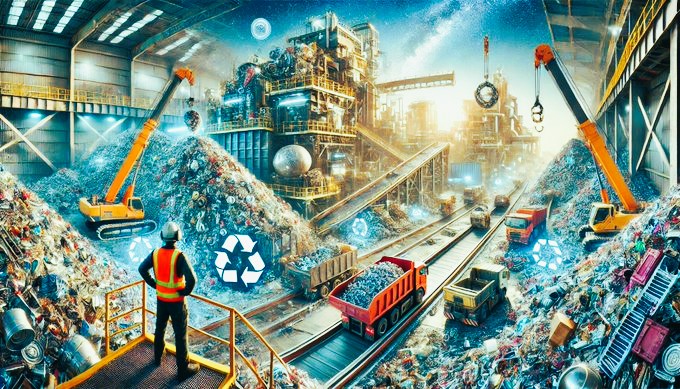
As you read this on your latest smartphone, consider its eventual fate. Will it poison a child in a Delhi slum, or be safely reborn as part of tomorrow’s technology? The answer depends on decisions we make today – as consumers, as corporations, and as citizens demanding accountability. India’s digital future must be built on more than just silicon and algorithms; it needs a foundation of environmental justice and human dignity. The upgrade our nation needs most isn’t technological – it’s ethical.
Visit arjasrikanth.in for more insights
 SOCIAL PERSPECTIVES
One response to “Ctrl+Alt+Delete the Planet: India’s Digital High Has a Toxic Hangover”
Very useful & educative information please.
LikeLike