
Digital Firestorms: Social Media Became the Battlefield in the May 2025 Indo-Pak Conflict
In a world where an emoji can ignite a firestorm and hashtags can spark conflict, the real battle lies not beyond borders but within the digital landscape. The recent tensions between India and Pakistan have shown us the dangerous fragility of truth amid the barrage of online misinformation, revealing how a tweet can do more damage than a missile. True warfare might be fought with tanks and guns, but today, the deadliest weapon is the keyboard. As the situation escalated in May 2025, the Indo-Pak conflict morphed into a cacophony of social media warfare, exposing how miscommunication and irresponsible discourse ravaged the fabric of society more effectively than any military engagement could.
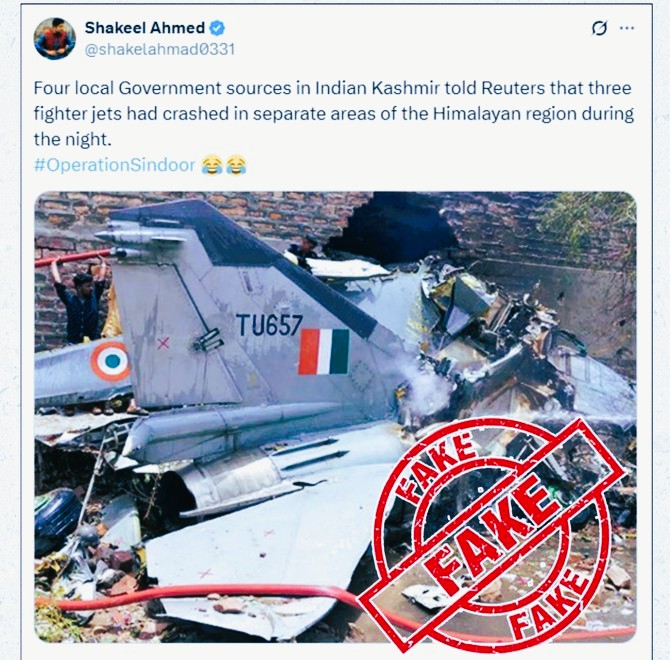
The conflict wasn’t merely about military strategy or territorial disputes; it was, in essence, a spectacular display of a new kind of warfare—one where the battleground is social media, and the weapons are opinions, manipulated images, and viral misinformation. During this period, both nations descended into chaos, fuelled by platforms such as Facebook, WhatsApp, and X (formerly Twitter), which became arenas for emotional rhetoric and exaggerated narratives. Troll farms sprang into action, and automated bots became the foot soldiers in an undeclared war where facts were often mere collateral damage.
At the center of this storm was Foreign Secretary Vikram Misri, who found himself under the relentless spotlight of online trolls and misinformed critics. His decisions regarding ceasefire agreements and international diplomacy drew the ire of many, despite the fact that these policies were crafted at the highest levels of government and far beyond Misri ’s direct influence. The internet, however, thrives on a different kind of truth—one that ignores the nuance of complex foreign relationships and paints in broad strokes of misinformation. As misinformation spread like wildfire, public trust in institutions began to erode, further complicating an already tense geopolitical situation.

The impropriety didn’t stop there. Social media narratives shifted with alarming rapidity, fueled by sensationalist news reports and unverified claims. A mistranslation of a Pakistani official’s words was enough to send shockwaves across nations, leading to heightened fears of an impending nuclear threat. Online commentary soon morphed into a toxic cocktail of speculation and outrage, igniting panic that seeped into daily life, with citizens rushing to stock up on supplies. This led to economic fallout as stocks tumbled in response to online chatter, demonstrating that social media doesn’t just shape opinion—it shapes reality.
Echo chambers formed in which each side amplified its own version of “truth.” Deepfake technology emerged as a particularly sinister tool, with viral videos circulating supposedly depicting military officials making alarming announcements, further stoking paranoia. One infamous deepfake claimed an Indian military official had declared a “total cyber blackout” in Pakistan, leading to an orgy of hysteria that left both sides rattled. The deluge of misinformation created an environment where one misleading tweet could ignite a series of escalating reactions, transforming everyday citizens into unwitting participants in a conflict they hardly understood.

Worse still, the emotional toll on diplomats like Mishra cannot be overstated. In an age where personal attacks often take precedence over honest discourse, long-serving officials risk losing not only their credibility but also their mental well-being. The relentless trolling and venom-spewing commentary can deter competent individuals from public service, creating a chilling effect that undermines the very institutions that strive for peace. Why put a toe in the water when you know a torrent of vitriol awaits?
As we navigate this brave new world, it becomes clear that the stakes are profoundly high. False narratives are not merely fictions to be scoffed at; they have real-world consequences that can destabilize nations. Both India and Pakistan have come to recognize the necessity of counter-strategies—fact-checking initiatives and regulations aimed at curbing disinformation represent essential steps in their responses to this digital warfare. For the war of minds raging on social media to wane, it requires not just government oversight but public accountability as well.
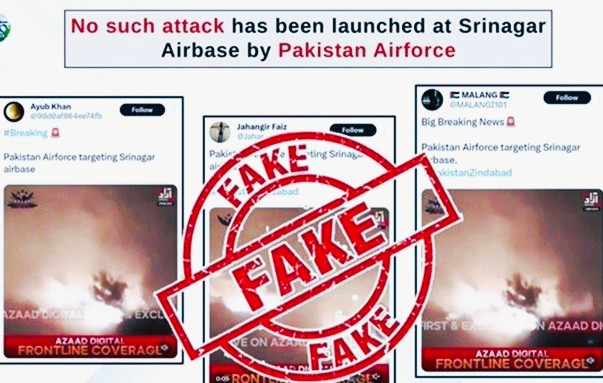
As we sift through the debris of this so-called “war,” it becomes evident that the path forward lies not in more aggressive trolling or knee-jerk reactions but in responsible discourse. Both users and platforms must acknowledge their role in shaping conversations. It’s time for digital citizens to reflect before sharing sensational claims and for social media giants to invest in mechanisms that preempt misinformation.
The May 2025 drama between India and Pakistan serves as a cautionary tale, a vivid illustration of how social media can transmute into a potent weapon capable of bringing entire societies to the brink. As we move forward, let’s hold onto the belief that our devices can facilitate connection rather than division. In this new era of war, it’s humanity’s responsibility to ensure our digital actions employ diplomacy over hostility, fostering an ecosystem where facts lead the way and healthy dialogue prevails over reckless discourse. Only then can we truly say we’ve won—not just a battle, but the war of our future.
Visit arjasrikanth.in for more insights
 SOCIAL PERSPECTIVES