
Operation Sindhoor, May 2025 — A Symphony of Precision, Power, and Purpose That Redefined Modern Aerial Warfare
In May 2025, the world bore witness to a breath-taking display of aerial might as Indian Air Force (IAF) pilots transcended the ordinary to become nothing short of demigods in the skies. With the launch of “Operation Sindhoor” ignited by a brutal terror attack in Jammu, Indian pilots unleashed a precision-focused fury that redefined the very fabric of modern aerial combat. It was a masterclass in military strategy that resonated far beyond South Asia, echoing through the corridors of power in capitals around the globe.

As Rafale jets sliced through the skies toward Muzaffarabad and Bahawalpur, they executed strikes with surgical precision, targeting ISI-linked terror compounds without causing a single civilian casualty. Each bomb dropped within a mere five meters of its intended target, a feat that exemplified the clinical artistry with which IAF pilots operate. These were not mere acts of aggression; they were carefully orchestrated performances, sculpting chaos into a symphony of tactical brilliance.
The Su-30MKIs, accompanied by Rudra helicopters, took on the formidable challenge of neutralizing Chinese-origin LY-80 Surface-to-Air Missile (SAM) batteries in Skardu. With flawless Suppression of Enemy Air Defences (SEAD) manoeuvres, they silenced the enemy’s air defences, ensuring that the skies remained clear for subsequent strikes. In the aerial dogfights over Kashmir, Tejas Mk1A jets danced with Pakistani JF-17s, outmanoeuvring them and achieving a kill ratio that sent shockwaves through the adversary’s ranks.
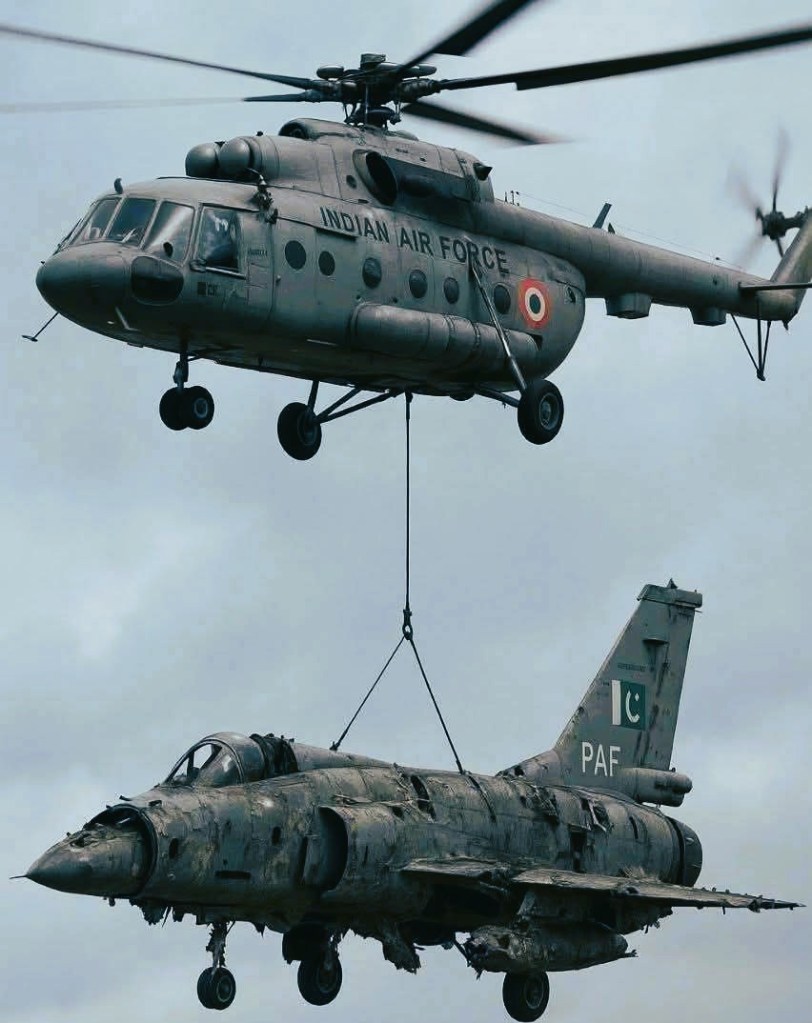
As the drama unfolded, the world’s military powers watched in awe. The Pentagon observed that the IAF’s operations “redefined the bounds of precision warfare.” Israel, renowned for its own elite air operations, acknowledged that Indian tactics mirrored their advanced playbook. Dassault, the makers of the Rafale, could hardly contain their admiration, praising the IAF for extracting maximum utility from their aircraft in ways that no other air force had ever achieved. Over the course of seven intense days, the IAF didn’t merely engage in combat; they conducted an aerial concerto that left military analysts clapping in reverence.
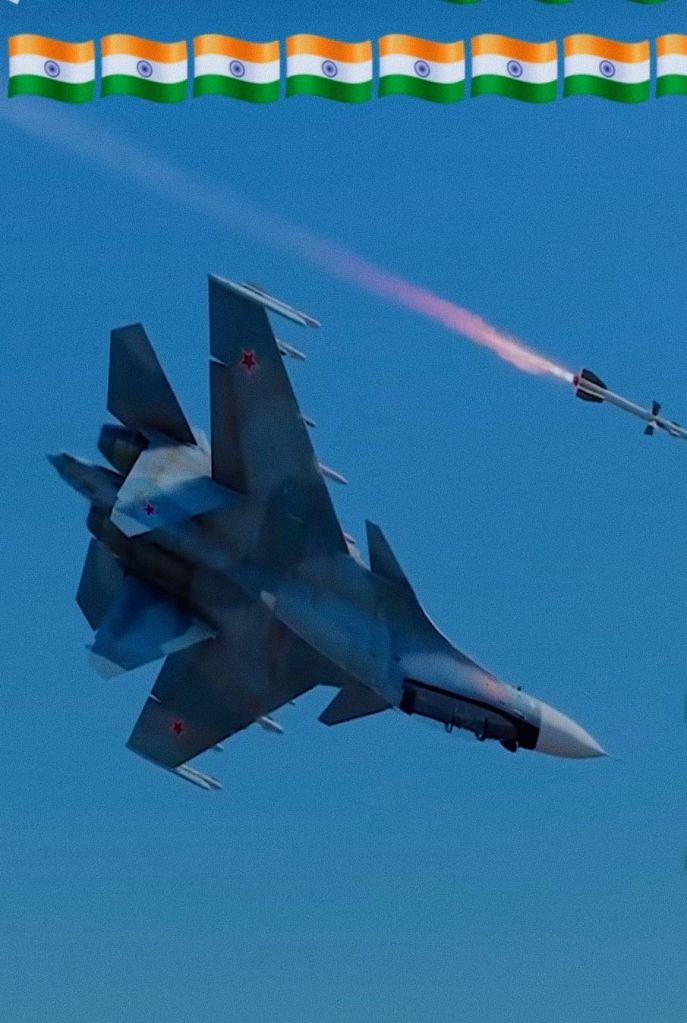
What sets IAF pilots apart is not just the high-tech hardware at their disposal, but their heartware—their unwavering resolve and unflinching calm under fire. These elite aviators make life-and-death decisions in the blink of an eye, demonstrating an extraordinary capacity to avert potential escalations. A single pilot could transition from flying a combat air patrol at dawn to executing a SEAD mission at dusk and then striking critical targets under the cover of night—all within the span of 24 hours. This isn’t merely training; it’s a transformation of the individual into a master of the aerial battlefield.

Employing old-school “Wild Weasel” tactics, IAF pilots outsmarted Pakistani SAM crews by baiting them into activating their radars, only to obliterate them with anti-radiation missiles. It was a high-stakes game of cat and mouse, with the IAF showcasing tactical ingenuity reminiscent of Hollywood’s finest aerial combat films—but with the precision of Sanskrit. The numbers tell the tale of their success: zero aircraft lost, zero pilot casualties, a remarkable 98% mission success rate, and a staggering 5:0 kill ratio in Beyond Visual Range combat. In stark contrast, the Pakistani Air Force suffered four confirmed losses, including a prized F-16, their morale shattered amidst tales of scattered operations and jamming failures.

The future of the IAF may lie in fifth-generation fighters and advanced drone technology, yet the essence of this formidable force remains in its pilots—the individuals who transform machines into lethal instruments of strategy and defense. These are the men and women who prepare rigorously, studying ballistics over meals and practicing complex manoeuvres in harsh environments. They ascend into the cockpit knowing the weight of their responsibilities, facing intense G-forces while maintaining an unwavering commitment to the rules of engagement.
The operations of May 2025 stand as a powerful testament to this ethos. Commanding Rafales and Tejas jets, and backed by cutting-edge systems, these air warriors do more than safeguard India’s skies—they chart the future of aerial combat. With precision, agility, and an unyielding spirit of innovation, they exemplify strategic brilliance and elevate India’s aerospace dominance to unprecedented heights..

In a world increasingly dominated by artificial intelligence and hypersonic technologies, the human element remains vital. The IAF pilots, forged through rigorous training and honed in real-world conflicts, embody this edge. They do not seek glory; they pursue precision. And in their pursuit, they become legends, their stories etched not in ink, but in vapor trails across the sky.
So, the next time you hear the thunder of aircraft soaring over the Himalayas, remember this: it is not mere weather; it is a clarion call from the gods of the sky—IAF pilots are airborne, and they are watching, ready to protect and serve with unmatched expertise and unwavering resolve.
Visit arjasrikanth.in for more insights
 SOCIAL PERSPECTIVES
One response to “Sky Gods Unleashed: IAF Pilots Rewrote the Rules of War with Operation Sindhoor”
Excellent write up Dr. Arja Srikanth Garu.
My compliments
🙏🏼🙏🏼
LikeLike