Drones, Strategy, and Defiance: The Transformative Impact of Modern Defense Manufacturing in the Indo-Pak War
In an era defined by accelerated technological advancement and rapidly evolving doctrines of warfare, India’s defense ecosystem is undergoing a transformative shift. The nation is increasingly leveraging private sector innovation to build strategic depth and operational agility. Among the emerging industry leaders, one private enterprise has distinguished itself through its decisive contributions during a recent Indo-Pak conflict, exemplifying the fusion of indigenous capability, strategic foresight, and high-tech warfare.
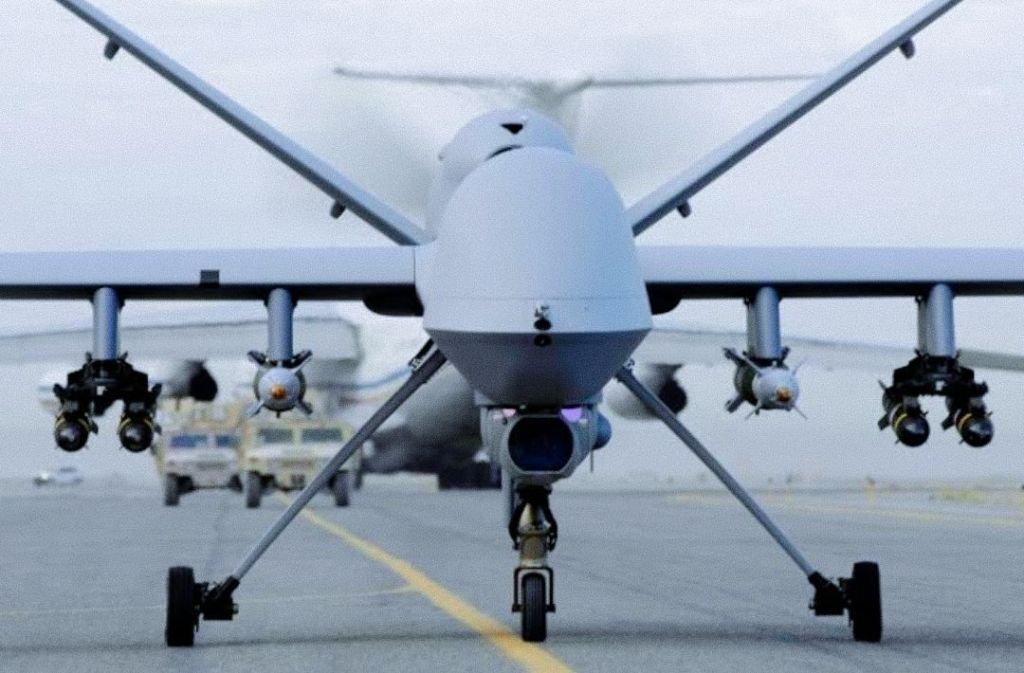
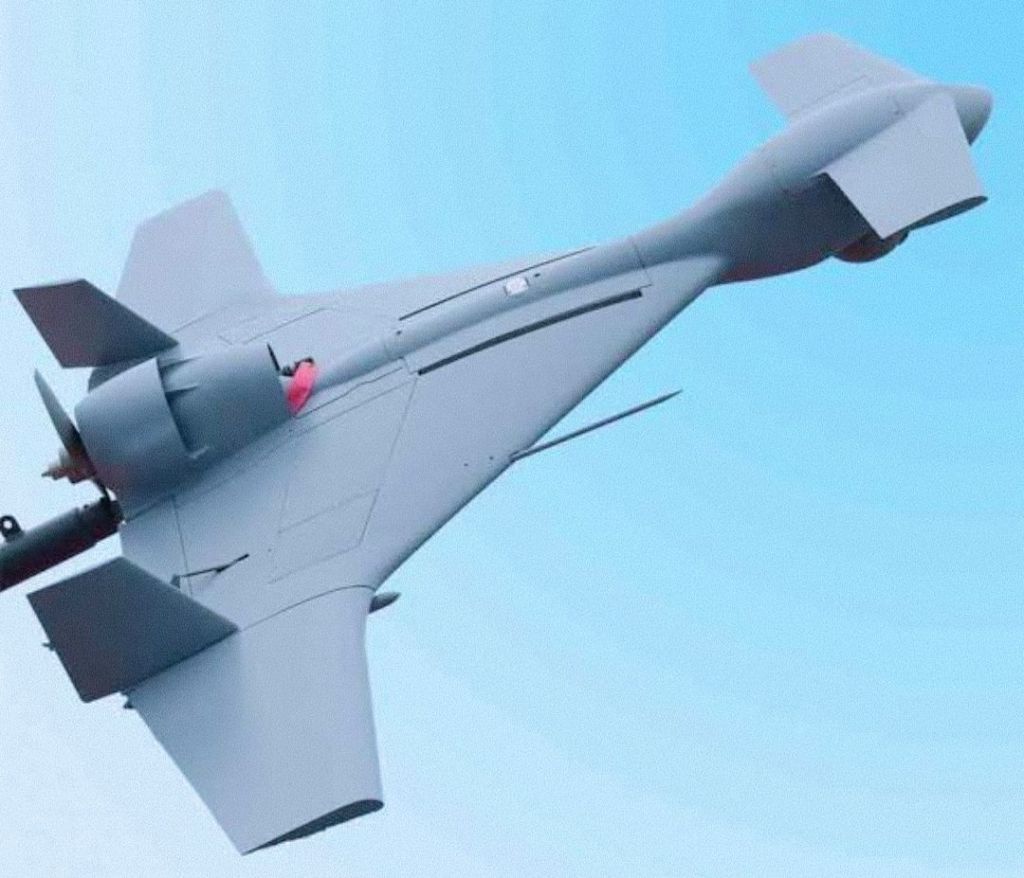
The conflict underscored the rising prominence of unmanned aerial vehicles (UAVs) in contemporary combat. Their deployment not only shaped battlefield outcomes but also emphasized the broader imperative for India to develop a resilient and forward-looking defense industrial base. Central to this operational pivot were precision strike drones, notably the SkyStriker Kamikaze UAVs, developed through a joint venture with an Israeli defense technology firm. These loitering munitions, powered by nearly silent electric engines and equipped with stealth and autonomous targeting features, enabled high-precision strikes deep into adversarial territory. By neutralizing key assets, including advanced Chinese-supplied air defense systems in sensitive zones like Lahore and Multan, these systems marked a tactical and psychological turning point in India’s military response.
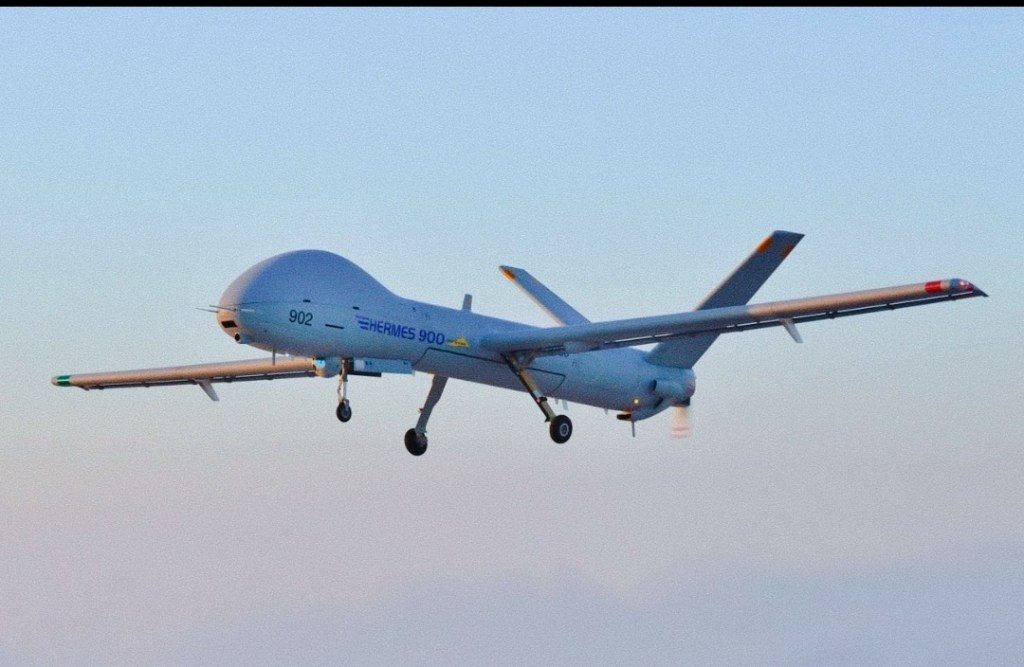
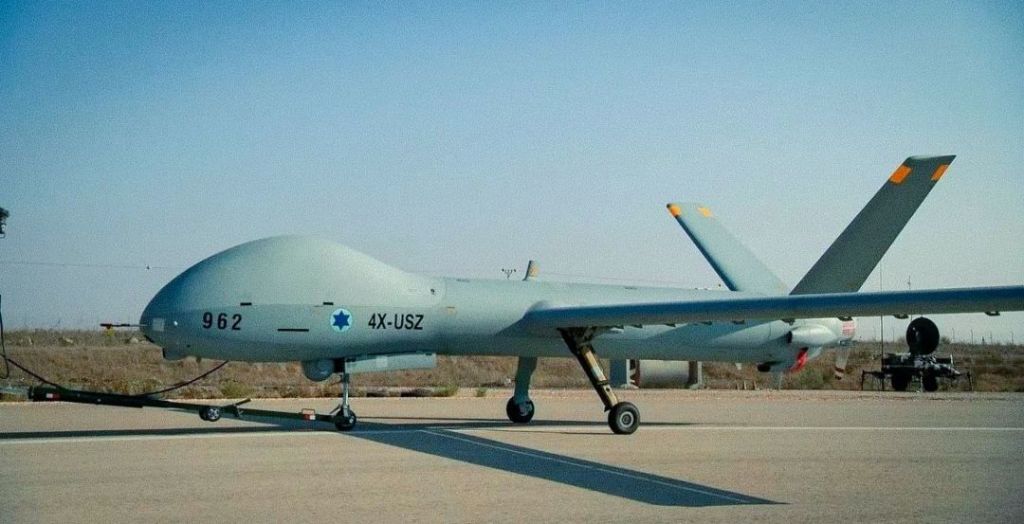
Complementing these strike capabilities were the Hermes 900 Medium-Altitude Long-Endurance (MALE) drones, produced at India’s first private UAV manufacturing facility in Hyderabad. This facility not only symbolizes a landmark in India’s journey toward defense self-reliance but also serves as a blueprint for future private-public technological collaboration. The Hermes 900 drones significantly enhanced situational awareness and real-time surveillance along the volatile Indo-Pak border. Their high-altitude endurance and advanced reconnaissance capabilities enabled precise intelligence gathering, which proved critical in both strategic planning and real-time battlefield decision-making.
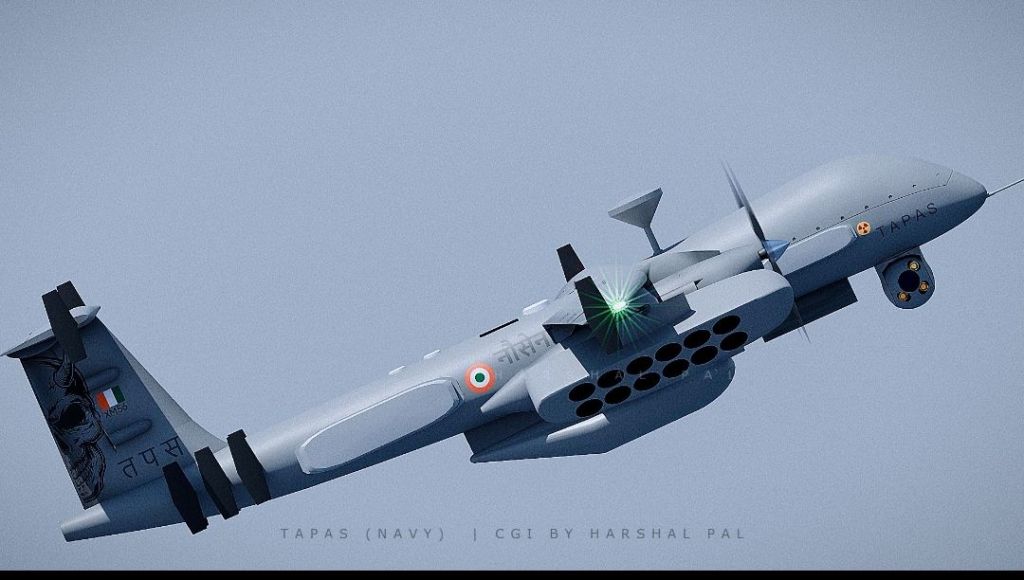
These developments are rooted in the strategic vision of the Make in India initiative, which has redefined the contours of defense production in the country. By fostering joint ventures with leading global defense firms, India has ensured both the localization of production and the transfer of cutting-edge technologies. Today, these partnerships have enabled manufacturing units to achieve an indigenous content ratio of nearly 75%, a noteworthy stride towards reducing import dependency and enhancing technological sovereignty.
Beyond battlefield efficiency, these technologies introduced new dimensions in modern warfare. The Sky-Striker’s loitering ability provided persistent surveillance and flexible strike options, enabling pre-emptive engagements and bolstering deterrence. Simultaneously, the Hermes 900 played a pivotal role in counter-drone operations, with its intelligence feeds enabling the Indian armed forces to intercept and neutralize over 45 hostile drones. These actions reflect a sophisticated defense posture wherein UAVs are not merely instruments of war, but central nodes in a broader national security architecture.
The ripple effects of these advancements were also felt in economic and geopolitical spheres. The successful deployment of indigenously assembled UAVs instilled confidence among investors, reflected in surging stock prices of Indian defense companies. This, coupled with growing international interest, reinforced India’s ambitions to emerge not just as a defense consumer but as a credible exporter of advanced military systems.
Strategic investment in R&D remains a cornerstone of this progress. With planned capital infusion exceeding ₹2,000 crore over the next five years, India is signalling its intent to lead not only in drone warfare but in adjacent domains such as electronic warfare, artificial intelligence, and cybersecurity. These investments underscore a long-term commitment to building comprehensive technological superiority—a critical enabler in an era where data, speed, and precision define victory.
The synergy between private enterprise innovation and national security imperatives is redefining India’s defense paradigm. The Indo-Pak conflict demonstrated how indigenous capabilities, born out of collaborative innovation, can decisively influence conflict trajectories. This model—melding local manufacturing, foreign expertise, and operational excellence—offers a replicable framework for other critical defense verticals, from missile systems to space-based surveillance.
As the strategic environment in South Asia and beyond grows increasingly complex, India’s ability to integrate advanced technologies with self-reliant production will be vital. The trajectory being charted today not only bolsters national defense but contributes to broader goals of economic resilience, technological leadership, and geopolitical relevance.
In sum, the future of warfare is inexorably linked to a nation’s ability to innovate, adapt, and produce at scale. India’s recent successes in unmanned systems reflect a maturing defense-industrial strategy—one that blends tactical necessity with strategic vision. It is this synthesis of innovation, execution, and indigenous empowerment that will shape the contours of India’s role as a 21st-century security actor on the global stage.
Visit arjasrikanth.in for more insights
 SOCIAL PERSPECTIVES