
The S-400 Transforms India’s Defense Posture, Deters Adversaries, and Redefines Regional Security Dynamics
In the rapidly transforming arena of contemporary warfare, the induction of cutting-edge air defence systems can recalibrate regional power equations with profound strategic implications. India’s acquisition of the S-400 Triumf system from Russia marks a decisive enhancement of its defensive architecture and signals a robust shift in its deterrence posture, particularly in the context of its enduring strategic competition with Pakistan. The S-400’s arrival is not merely a technological upgrade; it is a deliberate recalibration of India’s national security framework in response to an increasingly unpredictable security environment.
With its highly integrated, multi-layered interception capabilities, the S-400 is designed to neutralize a wide spectrum of aerial threats, ranging from ballistic and cruise missiles to stealth aircraft and high-speed unmanned aerial vehicles. In an era where aerial superiority is increasingly defined by stealth and stand-off weapons, the S-400’s ability to engage targets such as Pakistan’s Babur and Ra’ad cruise missiles, or advanced variants like the JF-17 Block III, provides India with unprecedented strategic depth. The growing relevance of UAVs and loitering munitions in regional military doctrines further amplifies the value of the S-400’s agile and adaptive threat-response capabilities.
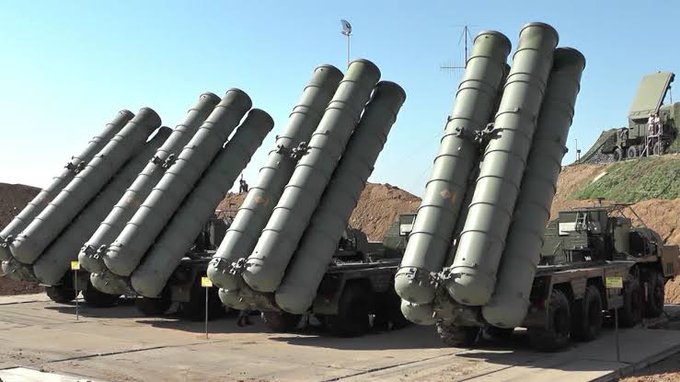
The 2019 Balakot airstrikes and their aftermath underscored the vulnerabilities of traditional air defences in the face of precision-guided munitions and retaliatory salvos. In this context, the S-400 offers a decisive countermeasure, ensuring rapid threat detection and interception long before hostile assets can inflict damage. Its engagement envelope—extending up to 400 kilometers—covers major population centers like Delhi and Mumbai, as well as forward bases and military installations along the western front, thereby denying adversaries the element of surprise.
Beyond its kinetic prowess, the S-400 imposes a psychological cost on potential aggressors. Its capacity to track and engage up to 80 targets simultaneously complicates offensive planning for Pakistan’s air force and missile corps. The sheer difficulty of breaching Indian airspace protected by a network of S-400 batteries serves as a credible deterrent, compelling adversaries to reconsider escalation pathways that involve aerial intrusions or missile attacks.
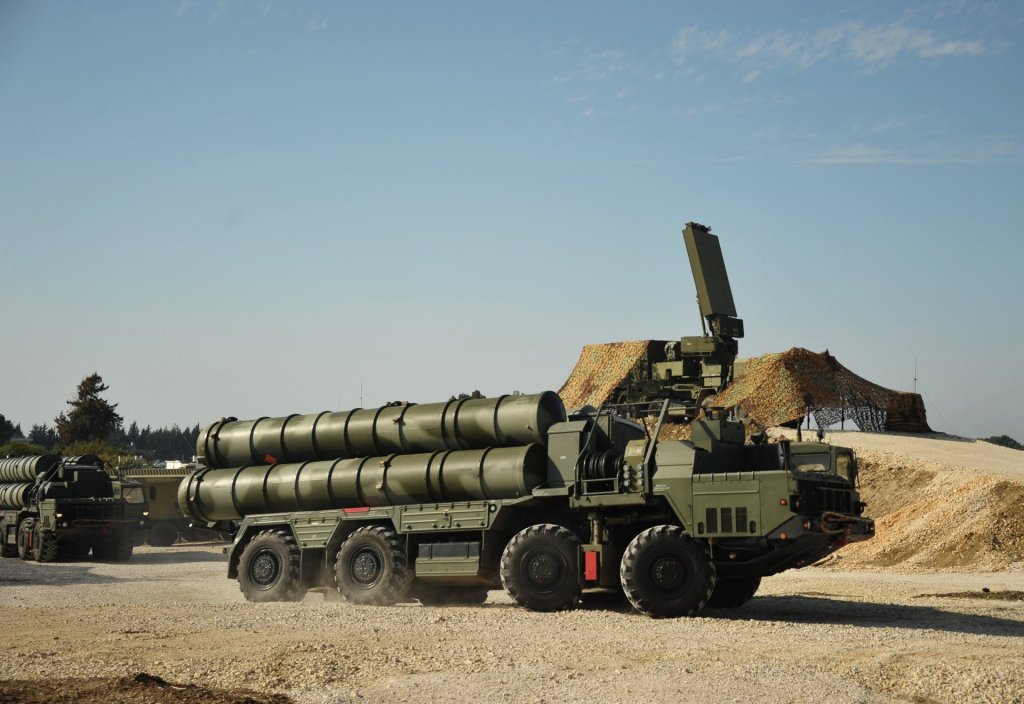
Pakistan’s missile arsenal, including the Babur cruise missile and the Shaheen series of ballistic missiles, adds further complexity to India’s threat matrix. The S-400’s radar systems, capable of detecting low-observable targets at ranges of up to 600 kilometers, offer India a critical early-warning and preemptive strike capability. This transforms the nation’s missile defence from a reactive to a proactive domain, capable of disrupting adversarial intentions well before they reach Indian territory.
Historically, India’s air defence relied on systems like the Akash SAM and the SPYDER, which, while effective in limited theatres, lacked the range and integration necessary for modern air defence. The induction of the S-400 bridges this strategic gap, integrating long-range detection with precision interception and ensuring seamless coordination across India’s air defence grid. This layered coverage allows for a graduated response to diverse threats, from high-altitude surveillance aircraft to terrain-hugging cruise missiles.

The S-400 also represents a critical counterbalance to Pakistan’s battlefield nuclear weapons doctrine, especially the deployment of short-range missiles like the Nasr. By equipping India with the capability to intercept fast-moving, low-altitude nuclear-capable missiles, the system mitigates the coercive leverage that tactical nuclear weapons might otherwise provide. In doing so, it strengthens India’s strategic stability and fortifies its no-first-use doctrine by increasing confidence in second-strike survivability.
While initially procured with a primary focus on countering China’s expanding military capabilities along the northern frontier, the deployment of the S-400 along the western border enhances India’s ability to deter threats from both adversaries concurrently. Its mobile launch units can be rapidly repositioned based on evolving threat perceptions, enabling a responsive and flexible defence posture that aligns with real-time operational needs.

In technological terms, the S-400 significantly outclasses Pakistan’s existing air defence infrastructure. Systems like the Chinese-origin HQ-9 and LY-80 fall short in terms of detection range, engagement accuracy, and threat discrimination. This asymmetry grants India a decisive edge in airspace dominance and undermines the feasibility of any precision strike or suppression campaign by Pakistan. It effectively raises the threshold for conflict initiation, reinforcing deterrence through capability superiority.
Ultimately, the S-400 Triumf is not just a military asset; it is a strategic instrument that reshapes the contours of airpower dynamics in South Asia. Its presence alters adversarial calculus, enhances India’s airspace integrity, and contributes significantly to regional stability by reducing the probability of successful first-strike attempts. It serves as a cornerstone in India’s broader defence modernization strategy, complementing indigenous efforts while addressing critical capability voids.
Although China remains a central consideration in India’s security doctrine, the S-400’s immediate impact is most visibly felt in the Indo-Pakistani context. As the region navigates a complex mix of conventional rivalries, proxy threats, and nuclear brinkmanship, the S-400 provides India with the means to safeguard its sovereignty, respond decisively to provocations, and project strategic maturity in a volatile geopolitical theatre.

In essence, the S-400 embodies India’s resolve to stay ahead of the curve in national defence. It represents an intelligent convergence of diplomacy, technology, and strategic foresight—securing not just borders, but the larger idea of a stable, assertive, and self-reliant India.
Visit arjasrikanth.in for more insights
 SOCIAL PERSPECTIVES
One response to “Sky Shield: The S-400 Triumf and India’s Strategic Airpower Revolution”
Wonderful post 🎸🙏
LikeLike