
A Wild Dream to Transform Andhra’s Untouched Delta into the World’s Next Eco-Tourism Powerhouse
In the whispering labyrinths of the Godavari delta, a sleeping giant stirs. Konaseema — lush, uncut, almost bashful in its beauty — waits to be seen, not merely admired. It is a place where backwaters curl like silver threads across endless green, where temples meet the tides in a delicate ballet, and where culture, nature, and spirit intermingle with an innocence lost to many tourist-worn lands. If Kerala is the queen of backwaters, Konaseema is the empress that forgot her own coronation.

The numbers are staggering, the potential even more so. Over 120 kilometers of navigable waterways snake through the region, seven majestic islands sit like emeralds on blue velvet, and a dozen scenic creeks beg for houseboats to glide over them. The Coringa mangroves, India’s second-largest, hold secrets whispered by hundreds of bird species. Hope Island patiently shelters fragile turtle hatchlings. All the elements of a natural wonderland exist — yet they lie wrapped in obscurity, dimmed by silence and administrative indifference.
Today, Konaseema’s infrastructure looks more like a rough sketch than a masterstroke. No dedicated tourist ferries crisscross the waters. The jetties are functional but far from spectacular. Only three starred hotels speckle the vast canvas. Luxury houseboats, the icons that define Kerala’s allure, are practically non-existent here. The backwaters teem with stories waiting to be told, but without the vessels, guides, and global attention that can weave them into living legends.
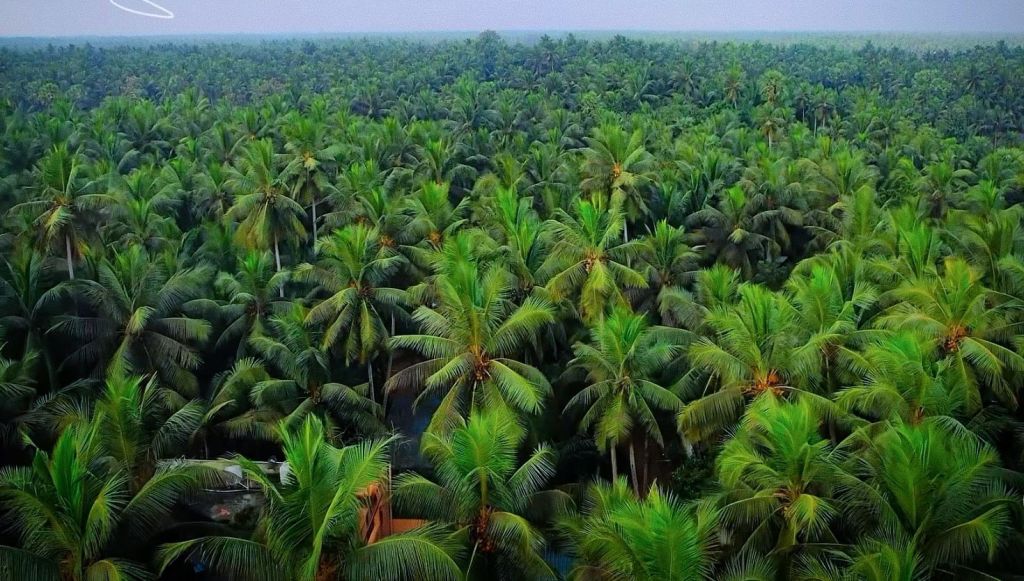
Meanwhile, the environment faces its own siege. Illegal fishponds carve up the mangroves. Eight tons of plastic slither into the waterways daily, choking life at its roots. Tourism, where it exists, buzzes uncontrolled, with motorboats disturbing delicate aquatic ecosystems. And worse still, the efforts to build a unified identity — a Konaseema that the world recognizes, loves, and flocks to — remain fractured, lost between government departments that act like estranged siblings rather than partners in a shared dream.
But the story need not end in waste and regret. In fact, it can leap — gloriously, ferociously — toward transformation. If Kerala could sculpt its brand from humble beginnings to global adoration, so can Konaseema. And faster.
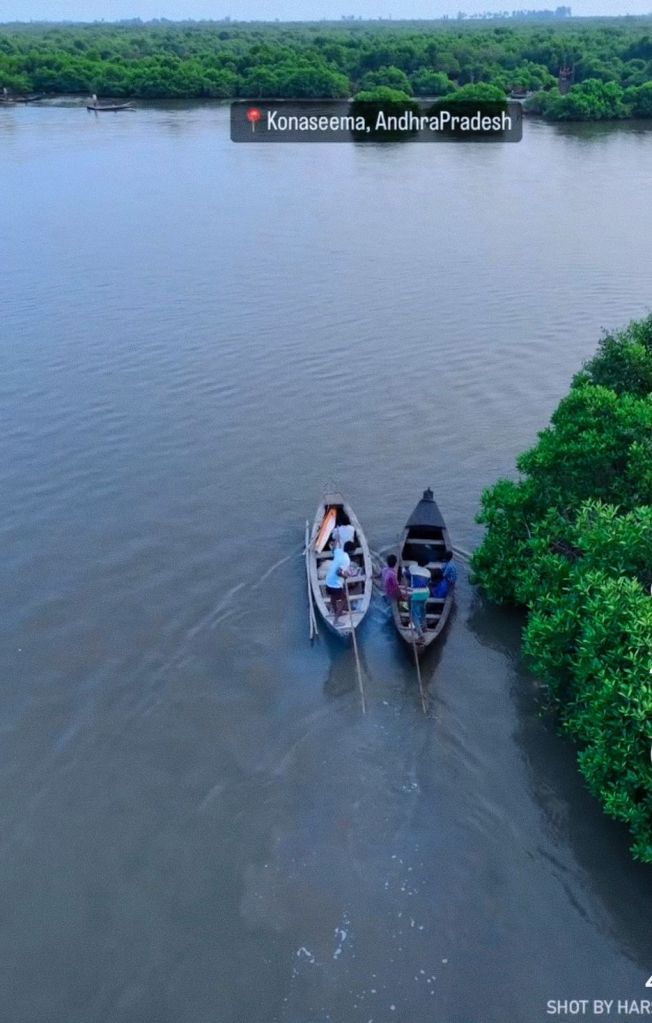
The roadmap is clear, ambitious, and wildly possible. Start with five world-class jetties that blend eco-sensitivity with architectural brilliance. Subsidize a fleet of 50 solar-powered luxury houseboats — not noisy polluters, but floating sanctuaries. Install trash barriers that intercept waste before it poisons the heart of the waterways. Birth a brand — sleek, global, digital — a “Konaseema Backwaters” app where bookings, virtual reality tours, and cultural events flow into the palm of every smartphone user on Earth.
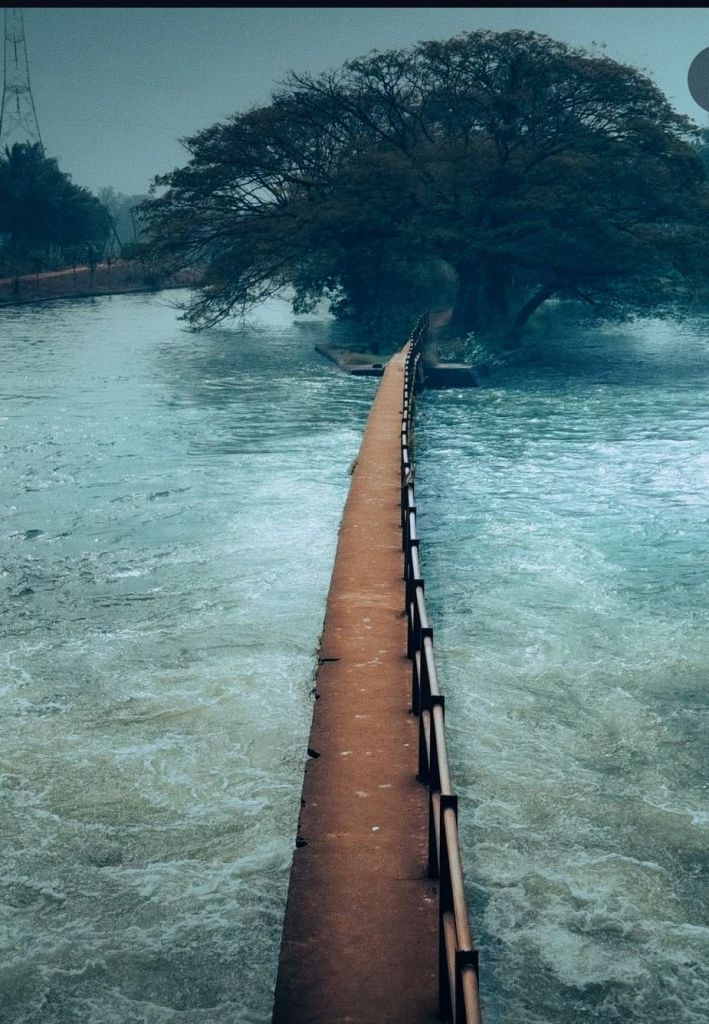
And then, push further. Imagine floating cafés at Vodalarevu where the morning mist and strong coffee mix into poetry. Night kayaking under bioluminescent stars where every paddle stroke births constellations in the water. Picture traditional Kuchipudi dances performed under full moons on open houseboat stages. Think of village homestays, where the scent of fresh paddy, coconut curries, and folklore make every tourist a lifelong storyteller.

Adventure, too, will find its voice — zip-lining through the mangroves of Coringa, river surfing at Narsapur’s wild bends. In time, a UNESCO Biosphere tag for Coringa could anchor Konaseema firmly on the global eco-tourism map. An international cruise terminal at nearby Kakinada could flood the delta with seekers of beauty and peace. Even a Konaseema Biennale, an art festival afloat on houseboats, could redefine India’s cultural frontier.
To build this miracle demands money, yes — but also vision and audacity. Central tourism schemes, PPP models, CSR investments from oil giants like ONGC and HPCL — the funds exist, if summoned with conviction. Community participation, Kerala’s secret weapon, must become Konaseema’s beating heart too. Train locals, protect mangroves with iron resolve, regulate houseboats with emission norms sharper than any Green Protocol.
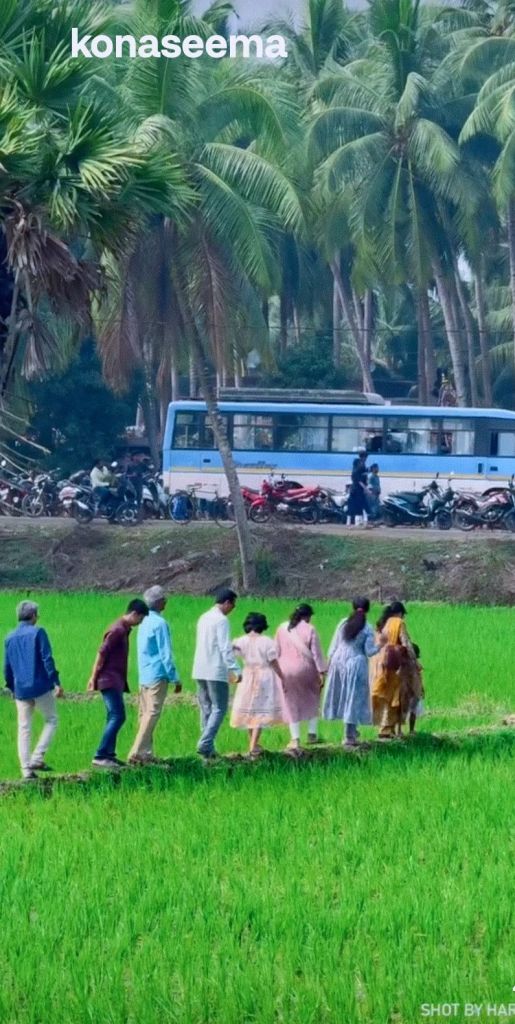
The targets must be set with ruthless optimism: 10 lakh tourists annually by 2030, 5,000 luxurious hotel rooms, 35,000 new jobs, and a stay duration tripled. Every coconut tree, every ripple on the Godavari, every whiff of banana blossom must be pressed into the service of a larger dream.
But dreams without urgency wilt. Immediate steps must be taken: a District Collector-led task force, a pilot “Godavari Riviera” stretch at Dindi as the showcase, and an aggressive investor roadshow blitz across Mumbai and Dubai.
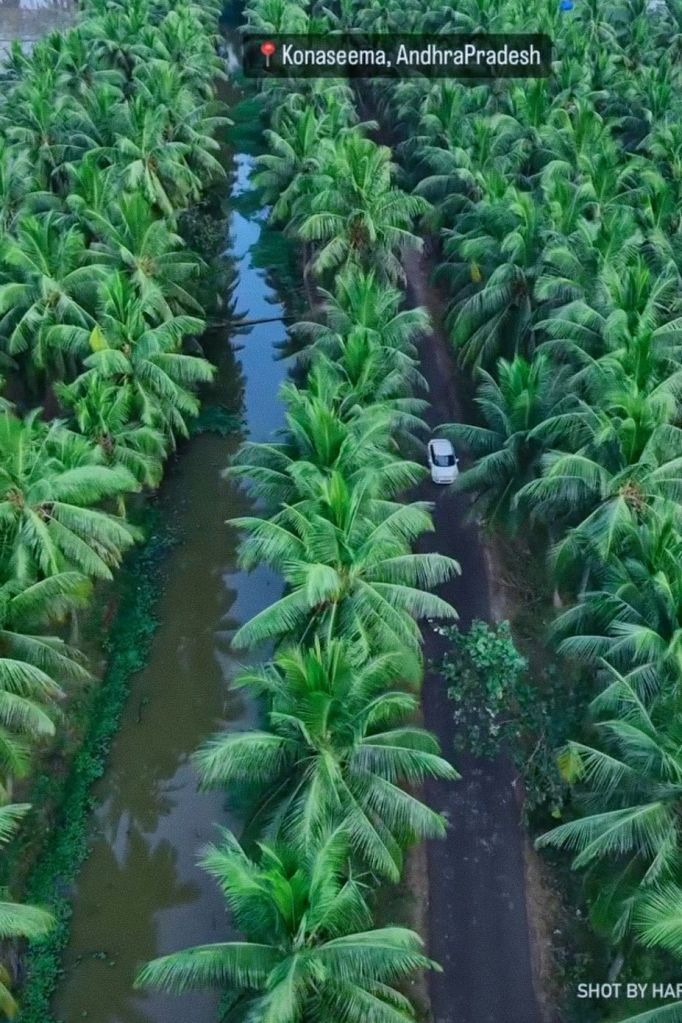
Konaseema is not competing with Kerala merely in backwaters; it is competing in imagination, in willpower, in the ability to translate untouched rawness into world-class wonder. The time to act was yesterday. The second-best time is today.
Because somewhere between the whispering paddy fields and the gleaming tides, a forgotten Eden is awakening. And if we listen — truly listen — we might just hear Konaseema’s heartbeat racing toward destiny.
Visit arjasrikanth.in for more insights
 SOCIAL PERSPECTIVES
4 responses to “Konaseema: The Sleeping Giant That Will Outshine Kerala’s Backwaters”
Absolutely True. Far better than plastic park and etall. But only problem is Govt can’t announce huge Infra Xpenditure where everyone can loot.
LikeLike
Konaseema is really beautiful but not many people know about it. This article gives a great idea of how it could become a super popular and eco-friendly tourist spot, maybe even better than Kerala!
LikeLike
There is no other place as beautiful as Kerala. Kerala government should explore all possible ways to explore it.
This is true.
LikeLike
Very true Varghese, I second what you said. Kerala Govt. can explore all possible ways, however, Andhra Govt, tourism department should also support in bringing up
LikeLike