
Transforming Moments of Vulnerability into Catalysts for Unified, Tech-Driven, and Citizen-Empowered National Security
India, a nation of immense resilience and hope, continues to face intermittent security setbacks that shake its collective conscience. From the heart-wrenching Pulwama attack in 2019 that claimed the lives of 40 CRPF jawans to the recent tragedy in Pahalgam in April 2025 where 28 tourists lost their lives, these incidents are painful reminders of vulnerabilities that persist despite our growing security capabilities.
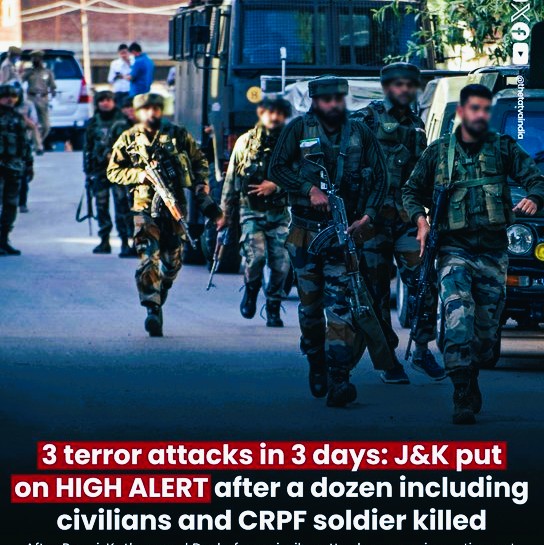
Each of these incidents leaves behind more than just grief—it calls for urgent introspection. While the locations and targets vary, the broader pattern of response reveals critical gaps. These are not failures of spirit, but lapses in coordination, preparedness, and technology adoption. The perpetrators exploit precisely these fissures, taking advantage of outdated protocols, fragmented intelligence systems, and uncoordinated local responses.
Yet, this isn’t a moment to despair—it is a call to action. India does not suffer from a lack of courage or capability. Our brave security personnel have time and again displayed unmatched valour. What we now require is a strategic and unified approach to national security—an architecture that is modern, agile, and standardized across states.

A central takeaway from recent incidents is the need for a unified framework. A “One Nation, One Security Code” should be our collective goal—an integrated model that mandates uniform standard operating procedures (SOPs) across states, especially for high-sensitivity zones like pilgrimage routes, major festivals, and popular tourist destinations. These SOPs must include real-time surveillance using drones, RFID-tagged vehicle monitoring, facial recognition entry points, and strict access timelines.
Moreover, intelligence must be treated not as an administrative formality, but as a cornerstone of pre-emptive action. All actionable alerts must trigger immediate, automated notifications across a national security grid, ensuring that no agency operates in isolation. A fully integrated, technology-driven intelligence-sharing platform can be the game-changer we need.

Accountability, too, must evolve. Not as blame, but as responsibility. A robust review mechanism should be established to ensure compliance with protocols and to initiate swift action when lapses occur. Public service must uphold public trust, and transparency in performance—especially in matters of national security—is essential.
In parallel, empowering citizens as active stakeholders in security can act as a powerful deterrent. Drawing inspiration from successful global models like Israel’s “Civil Guard,” India can initiate volunteer-based auxiliary security forces, particularly in rural and tourist areas. Community policing, anonymous tip lines, and basic counter-terror training can create a vigilant grassroots ecosystem.

Technological modernization must remain a core pillar. AI-driven surveillance, real-time GIS mapping, predictive analytics for crowd control, and centralized monitoring can transform how we safeguard lives. Our adversaries leverage cutting-edge tech—it’s time we outpace them with innovation and speed.
India has the talent, the institutions, and the will to overcome these challenges. What is needed now is synchronization, urgency, and resolve. Every reform we implement today is a tribute to those we’ve lost—and a safeguard for countless lives in the future.
Pulwama should have been a watershed. Pahalgam must be the turning point. Let these moments of grief fuel lasting reforms. The cost of inaction is too high, and the responsibility is too sacred to be deferred.

India must act—not from a place of fear, but from a position of strength, unity, and purpose. Because national security isn’t just about protecting borders—it’s about protecting the very fabric of our shared future.
Visit arjasrikanth.in for more insights
 SOCIAL PERSPECTIVES