
Dasari Narayana Rao’s Maverick Films Still Electrify Indian Conscience and Refuse to Let Society Sleep
May 4th stands not just as a date on the calendar, but as a living pulse in Indian cultural history—a day to remember Dasari Narayana Rao, the maverick whose films detonated complacency, ignited debate, and thundered against the quiet grind of injustice. Eight years after his passing, his cinema storms on, untamed and undiminished, haunting screens and stirring social imaginations far beyond his time.
Emerging from Palakollu in 1947, Dasari did not walk into the Telugu film industry so much as invade it, banishing artistic inertia and lighting a torch for storytelling that refused to be silent or safe. With his debut *Tata Manavadu* (1972), the message was unequivocal: cinema wasn’t his escape, but his weapon of scrutiny and transformation. “I didn’t make movies to entertain—I made them to interrogate,” he declared, signaling a philosophy that would define a lifetime’s work.
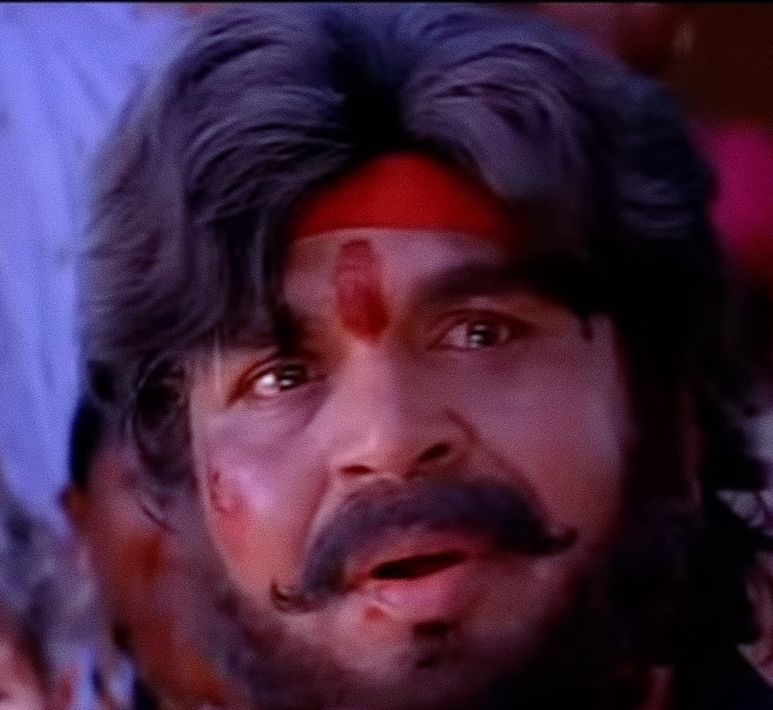
Across a staggering corpus of over 150 films, Dasari shattered the comfort of formula, instead mining themes of social unrest, resistance, and identity with relentless persistence. The depth of his filmography is marked both by its sheer volume—enshrined in record books—and by its fiery moral edge. In *Meghasandesam* (1983), a National Award-winning classic, he orchestrated lyric and rain in a ballet of longing and injustice, letting rural anxieties and agricultural disputes drip from every frame. These were not mere cinematic fables; they were epic arguments with society, using art as both balm and blade. His scripts leapt from screens to streets, as protestors and everyday citizens carried his dialogues onto placards and into real-life struggles.
With films like *Aaj Ka M.L.A. Ram Avtar* and *Osey Ramulamma*, Dasari’s lens drilled into the rot of political opportunism and unyielding caste hierarchies, making visible those truths that convention would have covered in silence. He gave a roar to the voiceless, his camera always aware of its role as witness and judge. *Amma Rajinama* defied deeply entrenched patriarchy, propelling a housewife’s private revolt into a cultural conversation, not just reflecting society but, with characteristic Dasari ferocity, demanding that it wake up and change.

What made Dasari’s legacy truly seismic was his rare ability to blend mass appeal with moral provocation—a populist director whose films were as likely to draw whistles as they were to unnerve the powerful. His art was never a retreat from reality but a full-throated challenge to it, employing melodrama as a clarion call rather than mere spectacle. He did not slow at the borders of language or region: with fearless experimentation, he remade Telugu social dramas into Bollywood’s idiom, torching conventional Hindi cinema with films like *Prem Tapasya* and *Zakhmi Sher*, injecting the escapist gene pool with urgent, uncomfortable truths. Audiences responded, often with raucous enthusiasm, renewing his reputation as the ‘Subaltern Spielberg’—a title earned, not bestowed.

Yet Dasari’s influence surged far beyond his directorial credits. As founder of the newspaper *Udayam*, he pried open Tollywood’s inner workings—exposing nepotism, advocating for newcomers, and using the printed word to agitate for fairness as energetically as he did on film. His mentorship of actors like Vijayashanti was nothing less than transformational, recasting sidelined talent into stardom and rewriting the rules for female agency on screen.
Politics, for Dasari, was only cinema by other means. When he entered the Rajya Sabha and took on the coal ministry, he carried with him the mantle of his cinematic mission—unafraid of controversy, relishing public debate, and espousing the belief that narrative power was as crucial on the parliamentary floor as in the director’s chair. His life blurred the script between art and policy, his commitment sustained by an uncompromising belief in justice.

Today, long after the curtains fell on his prolific career, Dasari’s voice vibrates through the corridors of culture. His films endure as urgent watchwords for anyone intent on interrogating the truths of caste, power, and gender. In Andhra villages, screenings of *Osey Ramulamma* continue to provoke cheers and inspire reflection; in university seminar rooms, his works are dissected for their commentary on oppression and liberation; and in every conversation about art’s potential to overhaul society, his example is invoked with reverence.
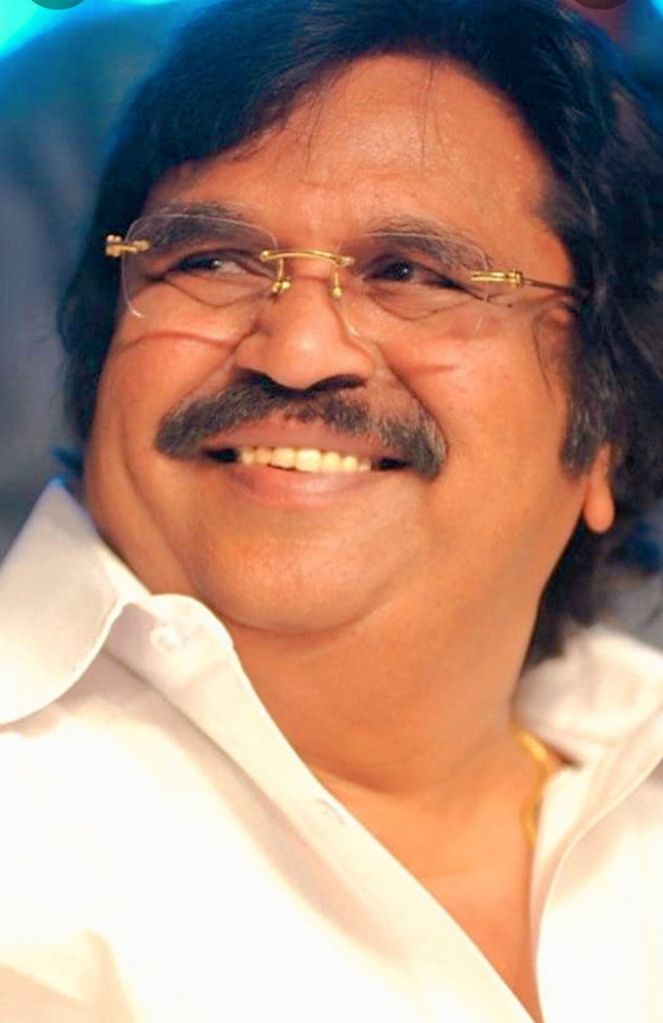
Remembering Dasari Narayana Rao is not merely to recollect celluloid milestones, but to celebrate a mind too large and restless for any single medium to contain—a sentinel who never bowed to inertia, and whose legacy is a flashing reminder of the transformative possibilities of art. On this anniversary, it is impossible not to salute the audacity, vision, and moral courage that made Dasari Narayana Rao a force of nature in Indian cinema—a firebrand who turned every reel into a rallying cry and every screening into a societal reckoning.
Visit arjasrikanth.in for more insights
 SOCIAL PERSPECTIVES