
Gaza Burns, Kashmir Bleeds—And the Only Legacy of Terror Is Suffering, Silence, and the Slow Death of Hope
October 7, 2023—once an ordinary date—has since become a harbinger of horror. On that day, Hamas militants crossed into Israel, slaughtering 1,200 civilians and abducting 251 hostages. The attack was not just a breach of borders but of humanity itself. The methods were barbaric, and the intent unmistakably cruel. Yet, what followed has spiralled into a catastrophe far beyond military retaliation or state defense. Gaza, a densely populated strip already teetering under decades of blockade and neglect, has now become a wasteland of grief. More than 51,000 people are dead, including 14,000 children. Hospitals are rubble. Schools are gone. Ninety percent of its population has been displaced. The stated cause—liberation—has decayed into obliteration.
This is not collateral damage. It is the very cost of misbegotten ideology.

Thousands of kilometres away, in India’s Kashmir Valley, a similar saga of terror unfolded on April 22, 2025. Pahalgam—once a symbol of natural beauty and harmony—was turned into a killing field by four gunmen from Lashkar-e-Taiba. The militants descended with an agenda of hate and a strategy of maximum pain. Twenty-eight innocents were executed in cold blood: a honeymooning Indian Navy officer, a Nepali worker, a local Muslim guide—each one a target in a perverse calculus of fear. Tourists were dragged out of vehicles, humiliated, and then shot. Some Hindu men were forced to recite Islamic prayers—those who stumbled over the verses were gunned down, as if mispronunciation were a capital crime.
What binds Gaza’s devastation and Pahalgam’s massacre is not religion, not politics, not territory—but a deadly doctrine that views civilian life as expendable and violence as virtue. The perpetrators may cloak themselves in faith or flags, but their weapons don’t discriminate. Their victims are not soldiers—they are schoolchildren, street vendors, young couples, pilgrims. And their greatest betrayal is not against the state, but against the very people they claim to defend.
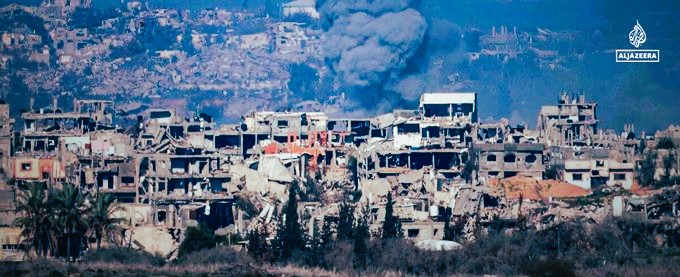
In Gaza, the cycle of violence has devoured its own roots. Hamas launched its assault under the banner of resistance, but what has it achieved? Israel’s counteroffensive—brutal, prolonged, and unrelenting—has left Gaza in shambles. Civilian infrastructure has crumbled. Hospitals function without electricity, without anaesthesia, without hope. Tents have replaced homes. Famine stalks every neighbour-hood. And amid the rubble, children grow up with trauma as their only inheritance. The leaders of Hamas, meanwhile, are either underground or in exile—far removed from the devastation they triggered.
What kind of freedom is this, where the oppressed are buried under the banner of their own supposed liberation?
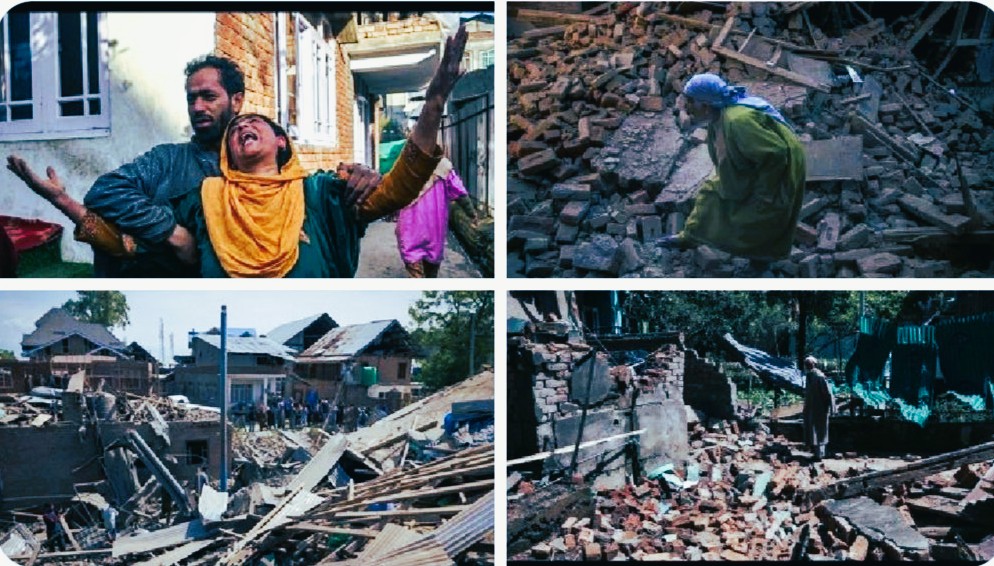
In Kashmir, the repercussions of the Pahalgam carnage are equally cruel. Security forces struck back with raids and arrests, homes of suspected collaborators were razed, and a climate of fear tightened its grip on the valley. The already fragile economy—dependent on tourism—has imploded. The militants who carried out the attack are now fugitives, hunted and isolated. Their families, once unaware of their descent into extremism, now live in stigma and danger. Whatever twisted victory they imagined has yielded nothing but more grief. And as in Gaza, the wounds here are not just physical—they are societal, psychological, generational.
The tragedy is compounded by terrorism’s catastrophic misreading of justice. It assumes that bombs can buy dignity, that bullets can deliver emancipation. But what it creates is a black hole: a place where dreams, futures, and communities vanish. In Gaza, the ruins do not mark resistance—they mark a region whose children will grow up without schools, whose mothers will raise families in tents, and whose youth will inherit only ashes and anger. In Kashmir, the romanticism of rebellion has given way to the loneliness of ruin. Families grieve not only the loss of loved ones but the loss of peace, livelihood, and trust.
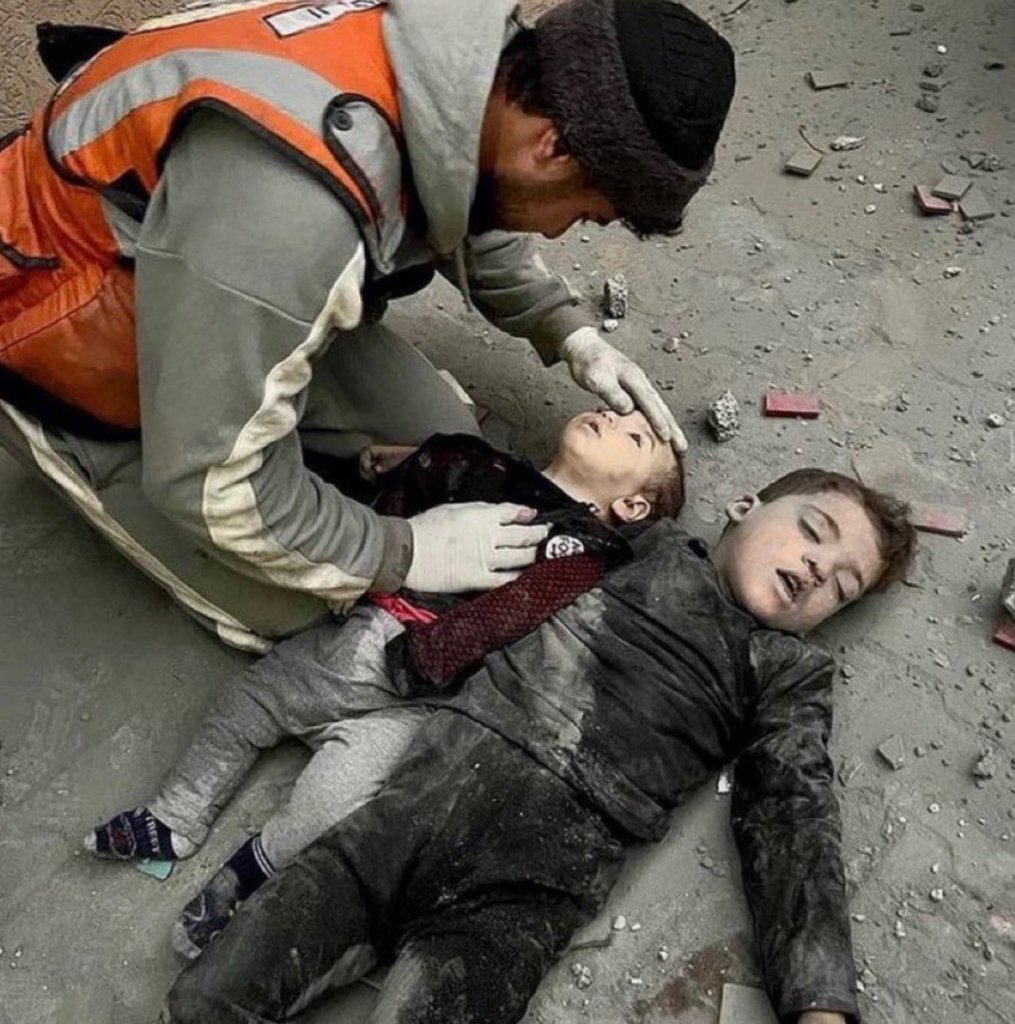
Even international sympathy, once a powerful tool for the oppressed, is waning. The world has grown tired of bloodshed with no meaning, revolts with no roadmap, and revolutions that breed only more rubble. Images of maimed children and burning homes, once shocking, now scroll by on timelines as background noise. The terrorist’s cry for attention has succeeded—but only in numbing the world to their cause.
Terrorism’s ultimate failure is its rejection of life. It does not build—it burns. It does not protect—it punishes. It does not fight for people—it sacrifices them. It turns towns into tombs and ideologies into instruments of genocide. Every bullet it fires rips not just through flesh, but through the fabric of civilization.
In Gaza, in Pahalgam, and in every place touched by this contagion, the question echoes again and again: Was it worth it? The militants may never answer. But the craters, the coffins, and the orphans already have. Their silence is louder than any manifesto. Their tears write the verdict on walls soaked with blood.
And that verdict, in every language and every land, remains the same: Never.
Visit arjasrikanth.in for more insights
 SOCIAL PERSPECTIVES