Liquid Gold Wasteland:Rayalaseema Flushes Away Its Agricultural Future Every Monsoon
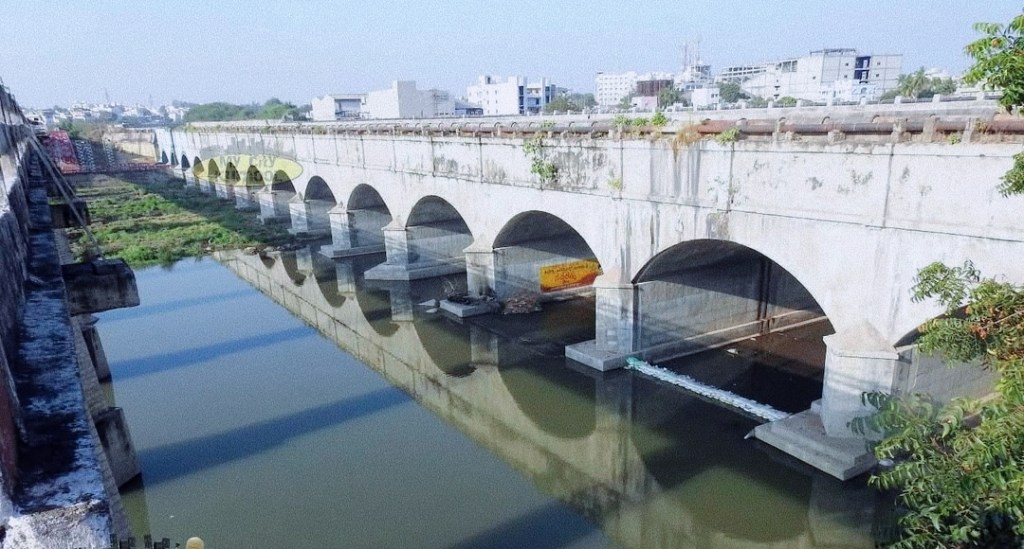
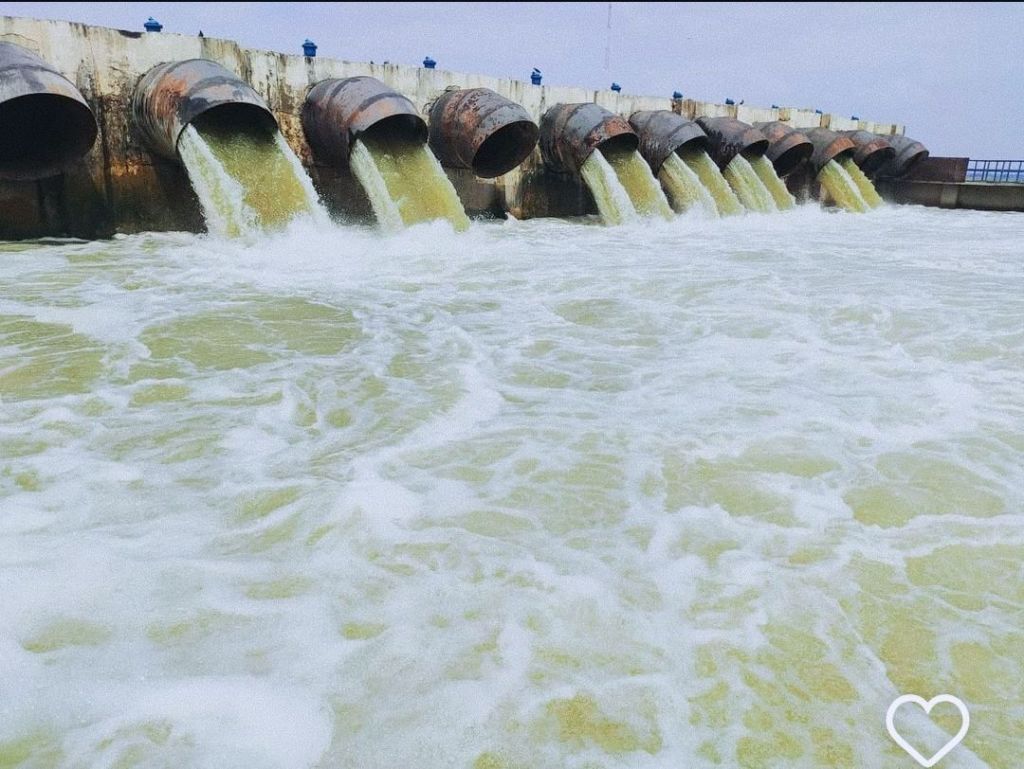
Beneath Rayalaseema’s sun-drenched skies lies an untapped opportunity of transformative potential. Every year, nearly 50 TMC (Thousand Million Cubic feet) of Tungabhadra water flows through Kurnool district—more than enough to rejuvenate the entire region’s agrarian landscape. Yet, much of this resource continues to flow away unused, not due to scarcity, but because of missed infrastructural and administrative opportunities.

Andhra Pradesh, as per the Krishna Water Disputes Tribunal (KWDT), holds a rightful share of 33 TMC from the Tungabhadra. However, with limited storage facilities, actual utilization falls well below potential. This underutilization—estimated at over 40 TMC annually—represents not just a hydrological gap, but a missed chance to transform Rayalaseema into a thriving, water-secure, and economically vibrant region.

Rayalaseema spans nearly 15 lakh hectares of cultivable land across Kurnool, Anantapur, Kadapa, and Chittoor districts. With effective water management, this area could flourish. The development of strategic carry-over reservoirs, such as the long-proposed Balakumari Reservoir (10 TMC), the Gundrevula Project (5 TMC), and the expansion of the Telugu Ganga Scheme (8 TMC), would provide the critical backbone for sustainable irrigation.
Moreover, canal modernization—including the Kurnool-Cuddapah (KC) Canal—can drastically improve efficiency. With current water loss of nearly 30% due to leakage and evaporation, upgrading canal infrastructure could immediately increase water availability for farmers. The linking of Tungabhadra to Handri-Neeva through a 120-km canal or pipeline system would also distribute water to Anantapur and beyond, promoting regional equity in access.
Rayalaseema can lead the way in pioneering water-smart agriculture. A shift toward drip and sprinkler irrigation, supported by substantial subsidies and training, could ensure maximum productivity per drop. Introducing AI-powered water grids—featuring real-time sensor networks and predictive tools—would enable data-driven decisions, minimizing waste and maximizing impact.
Decentralized water storage through the creation of 50,000 farm ponds under schemes like MNREGA could further democratize access, especially in remote areas. These localized water banks would serve as critical buffers during dry spells, enhancing both water security and crop resilience.
Effective utilization of the allocated 33 TMC could irrigate up to 3 lakh acres, boost agricultural income by ₹5,000 crore annually, and reduce distress migration from the region. Improved water availability would also ensure reliable drinking water supply to towns like Nandyal and Adoni, enhancing quality of life and public health outcomes.

This is not just a hydrological mission—it’s a social and economic renaissance in the making. With a focused investment of ₹5,000 crore—less than Rayalaseema’s annual agricultural loss—the region can be positioned as India’s first drought-proof agro-zone.
Rayalaseema’s transformation lies within reach. With proactive political will, swift clearances, and community participation, 2024 can mark a turning point—when Rayalaseema no longer watches its water flow away, but channels it into prosperity. This isn’t a tale of despair; it’s a call to action and a celebration of the possibilities that lie just below the surface.
Its time, Rayalaseema reclaims its liquid legacy.
Visit arjasrikanth.in for more insights
 SOCIAL PERSPECTIVES