
“From Strategic Leverage to Existential Crisis — Water May Emerge as the New Currency of Conflict between India and Pakistan”
The Indus Waters Treaty (IWT), signed in 1960 under the aegis of the World Bank, remains one of the most enduring examples of transboundary water cooperation in a geopolitically sensitive region. Brokered between India and Pakistan in the aftermath of the Partition, the treaty sought to provide a structured, rules-based framework for the equitable sharing of the Indus River system—a lifeline for millions in both countries.

According to the treaty, India was granted control over the eastern rivers—Ravi, Beas, and Sutlej—while Pakistan received rights over the western rivers—Indus, Jhelum, and Chenab. Despite several wars and prolonged hostilities between the two neighbours, the IWT held firm, serving as a rare anchor of stability in an otherwise volatile relationship.
However, the recent suspension of key provisions of the treaty by India following a terrorist attack in Kashmir marks a serious rupture in this diplomatic architecture. Central to this suspension is the halt in the mandatory exchange of hydrological data, particularly during the monsoon season, which is crucial for Pakistan’s flood forecasting and agricultural planning.
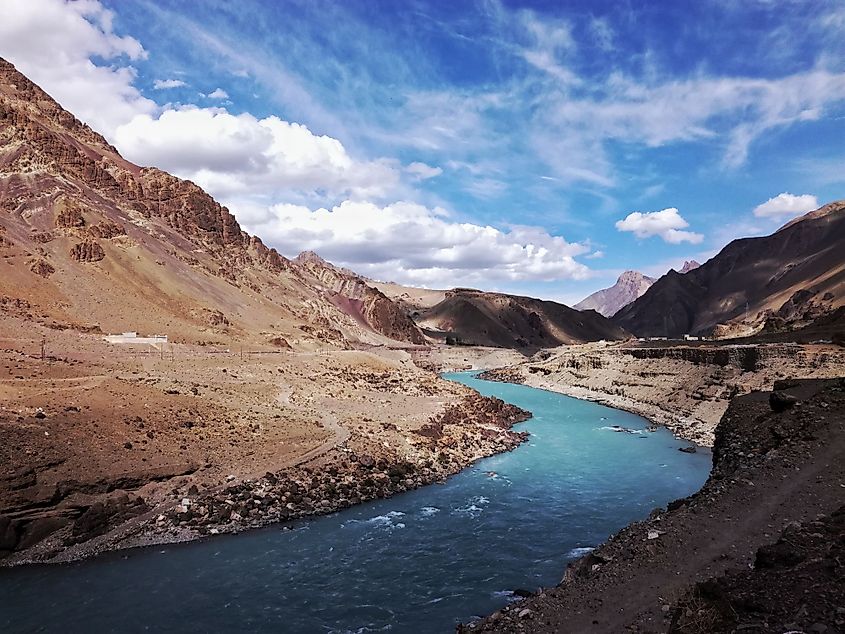
The implications for Pakistan are severe. The Indus River system accounts for nearly 80% of Pakistan’s irrigation needs, supporting about 60 million hectares of agricultural land. The withdrawal of upstream discharge data makes it nearly impossible for Pakistani authorities to anticipate water flow, exposing the country to heightened risks of floods, droughts, and crop failure. Pakistan’s agriculture-centric economy—already burdened by structural inefficiencies and climate change vulnerabilities—could be pushed to the brink.
The cotton sector, in particular, stands to suffer. Cotton is not just a major cash crop; it is the backbone of Pakistan’s textile industry, which constitutes over 60% of exports and contributes 8.5% to its GDP. Water shortages could translate into lower yields, industrial disruptions, job losses, and a significant blow to foreign exchange earnings. Furthermore, the energy sector, which is heavily dependent on hydropower generated from the Indus and Jhelum rivers, could experience reduced capacity. This would exacerbate existing electricity shortages, inflate power tariffs, and deepen Pakistan’s already precarious circular debt crisis.
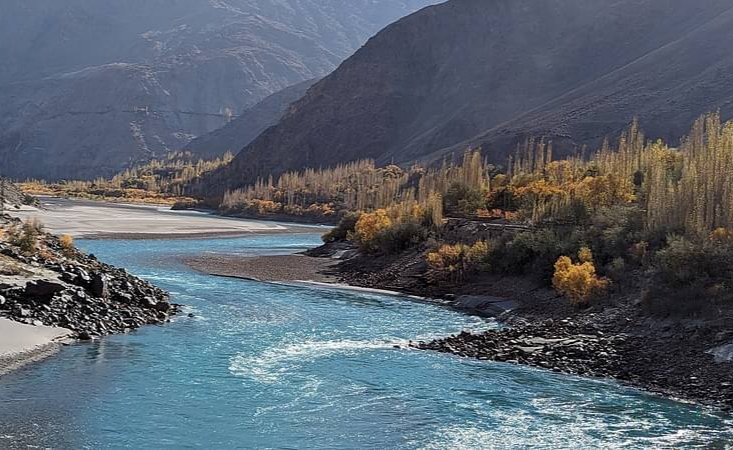
From India’s perspective, the suspension, although controversial, offers both strategic leverage and economic opportunity. While the treaty does not permit unilateral withdrawal or amendment, India retains the right to utilize a portion of the western rivers for irrigation, hydropower, and storage, within prescribed limits. Much of this potential remains untapped, particularly in Jammu and Kashmir, where expanded irrigation and storage infrastructure could stimulate agricultural development and regional economic revival.
High-value crops like apples and walnuts, which face stiff competition from imported alternatives, could benefit from improved water availability. With appropriate investments in canals, reservoirs, and water management, India could boost agricultural productivity and create employment in economically lagging regions. However, the road to realizing these benefits is neither short nor straightforward. Infrastructure development entails significant capital, time, and environmental planning. Moreover, any mismanagement of river flows could lead to localized flooding and adverse ecological consequences on the Indian side as well.
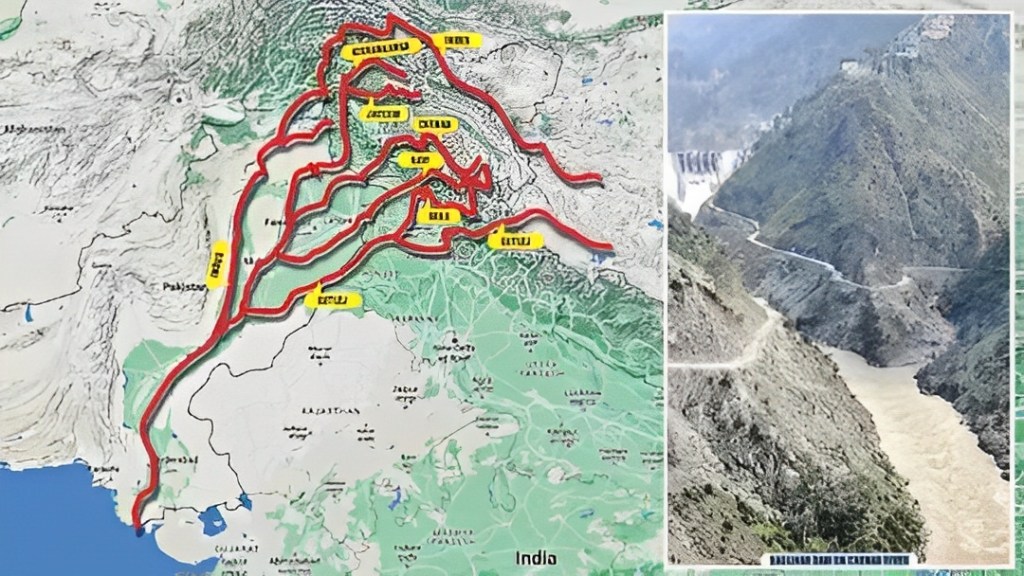
Strategically, India’s decision carries broader geopolitical risks. By stepping beyond the cooperative spirit of the IWT, New Delhi risks setting a precedent that other regional actors may emulate. Of particular concern is China, with whom India shares several transboundary rivers. A unilateral Chinese move to control or divert upstream flows of the Brahmaputra or other rivers could be detrimental to India’s northeast and undermine diplomatic norms around water sharing.
Moreover, such actions could trigger further militarization of water as a resource, aggravating tensions in an already fragile South Asian security environment. China’s growing presence in the region—through the China-Pakistan Economic Corridor (CPEC) and strategic investments in hydropower infrastructure—complicates this calculus further.
For Pakistan, the suspension comes at a time when the country is already grappling with economic distress, high inflation, political instability, and food insecurity. A disruption to the Indus water flow could catalyse social unrest, exacerbate poverty, and accelerate migration from rural to urban areas, creating new administrative and humanitarian challenges.
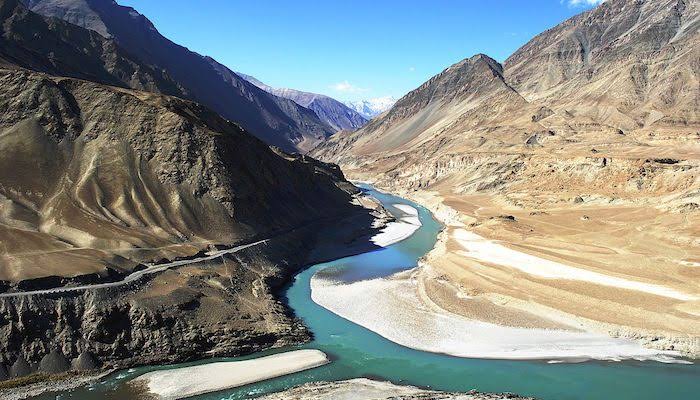
In conclusion, the unilateral suspension of elements of the Indus Water Treaty highlights the fragility of international agreements in the face of geopolitical tensions. While India may have legitimate concerns regarding national security, leveraging water as a tool of coercion risks undermining decades of diplomacy and mutual trust. The fallout of this decision could extend far beyond the immediate bilateral context, potentially altering the regional water security framework and challenging the global norms governing shared natural resources.
What is urgently needed is a recommitment to dialogue, transparent dispute resolution, and the modernization of treaty provisions to account for climate change, technological advances, and emerging geopolitical realities. Water, unlike many other resources, is not just a commodity—it is a shared human necessity. The future stability of South Asia may well depend on how wisely and justly it is governed.
Visit arjasrikanth.in for more insights
 SOCIAL PERSPECTIVES