
Dancing on the Edge: Will Kuchipudi’s Legacy Survive or Slip into Oblivion?
Kuchipudi, the pride of Andhra Pradesh, stands at a precarious crossroads. This mesmerizing classical dance form, which has enchanted audiences for centuries, is on the verge of losing its soul. The birthplace of this grand tradition, Kuchipudi village, remains far from receiving the attention and support it desperately needs. If decisive action is not taken with urgency and vision, this invaluable art form risks being swallowed by the sands of time.
Kuchipudi is more than just a dance—it is a living, breathing narrative that intertwines music, drama, and devotion. This art form is an ode to India’s rich cultural heritage and deserves to be conserved, preserved, and propagated with favour . Yet, rather than nurturing its roots, external influences have begun to shape it in ways that stray from tradition. While evolution is natural, there must be a balance. The essence of Kuchipudi must be retained, and its sacred legacy must be protected.
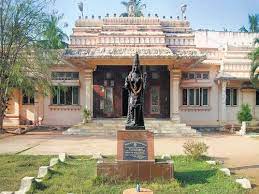
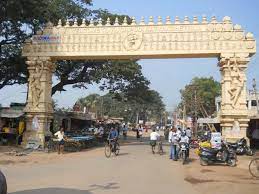
One of the most promising initiatives to rejuvenate Kuchipudi village is the proposal to develop it into a world-class Central dance village. Such a move would not only restore the prominence of this historic art but also invigorate the local economy, boost tourism, and provide sustainable livelihoods for local communities. But the crucial question remains: will the government and passionate officials step up, or will inaction lead to the slow demise of this treasured tradition?
A glimmer of hope emerged recently when a key strategic meeting was convened to discuss the elevation of Kuchipudi as a cultural heritage site. This discussion underscored the necessity of a structured vision for the transformation of Kuchipudi village. The insistence on drafting a Detailed Project Report (DPR) signals a serious commitment to ensuring the preservation of this art form for future generations. However, will these plans see the light of day, or will they be buried under bureaucratic delays?
The urgency to act stems from a fundamental truth—Kuchipudi is not just a dance; it is a symbol of Andhra Pradesh’s cultural ethos. It represents centuries of devotion, storytelling, and artistry. Without dedicated intervention, the very foundation of this tradition could erode. By developing Kuchipudi village into a global hub, its glory can be revived, attracting artists, scholars, and enthusiasts from across the world.
A key component of this transformation is the creation of essential infrastructure. Aspiring dancers currently struggle with limited resources, traveling long distances for training. A robust facility at a dedicated Kuchipudi training centre could change the game, allowing students to immerse themselves in rigorous training without logistical hindrances. This centre could foster not only skill enhancement but also a thriving artistic community bound by a shared passion for Kuchipudi.
Beyond training facilities, there is a dire need for an exhibition space and a museum dedicated to the legacy of Kuchipudi. Such a cultural centre would chronicle the evolution of the art form, offering a treasure trove of knowledge for visitors and researchers. From costumes to manuscripts to audio-visual records, a museum could provide a rich narrative of Kuchipudi’s journey, ensuring that its historical depth is not lost to oblivion.
Veteran practitioners of Kuchipudi have voiced concerns about the stagnation in the village’s development, warning that without structured educational programs, the art form risks extinction. The establishment of short-term and long-term courses, along with a specialized university for Kuchipudi, could provide a much-needed boost. A dedicated institution could offer degree programs, research opportunities, and skill-enhancement workshops, ensuring that Kuchipudi remains relevant in an evolving artistic landscape.
Economic development is another compelling reason to champion Kuchipudi’s revival. The creation of a tourism circuit linking significant cultural sites could drive significant footfall, transforming the region into a cultural hotspot. Tourists eager to witness authentic performances, participate in workshops, and experience traditional festivities would breathe new life into the local economy.

Moreover, the untapped financial potential of the Kuchipudi dance industry is immense. Dance costumes, jewelry, and accessories are predominantly sourced from other regions for international markets. By training local artisans and women in the production of these items, the village could foster a sustainable economic model. Initiating skill training programs could pave the way for financial independence among women while simultaneously preserving traditional craftsmanship.
The story of Kuchipudi’s legacy is incomplete without acknowledging its historical roots. A prestigious institution in Kuchipudi continues to carry the legacy of its founder, a visionary Vaishnava poet who pioneered the dance-drama tradition centuries ago. His masterpiece laid the foundation for traveling troupes that used dance as a medium of spiritual storytelling.
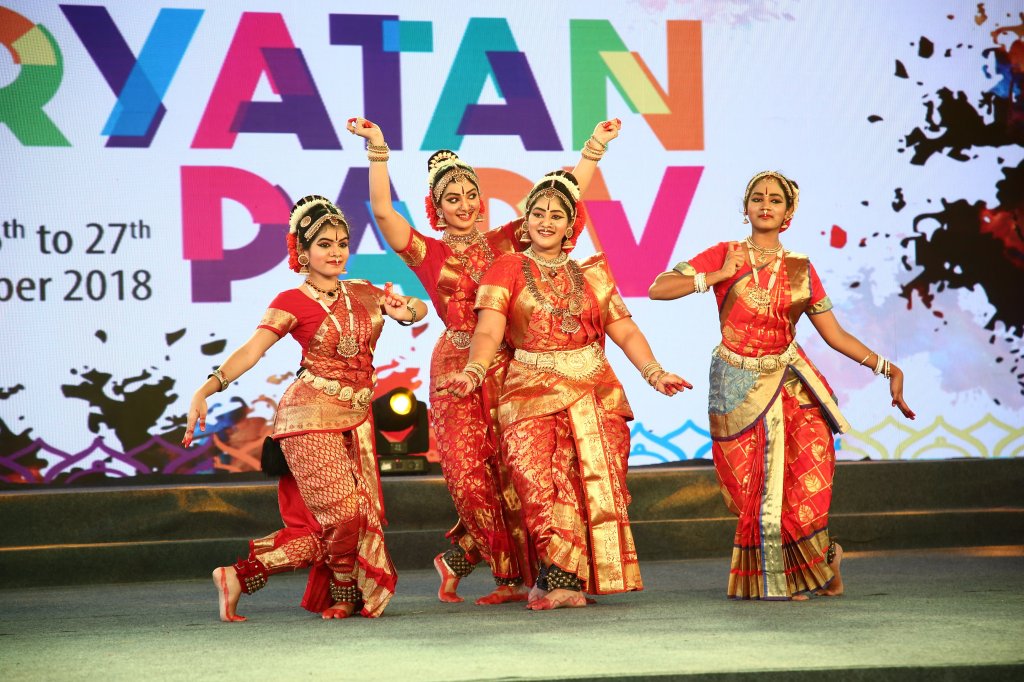
Kuchipudi’s journey has been marked by evolution, from an exclusive male-dominated tradition to a widely inclusive dance form embraced by women. The mid-20th century saw Kuchipudi flourish as a solo performance art, with its signature elements—nritta (pure dance), shabdam (expressive sequences), and natya (dramatic storytelling)—becoming world-renowned. The captivating Tarangam, where dancers perform on a brass plate, continues to be a breath-taking highlight of Kuchipudi recitals.
Despite its rich history, the art form is at risk. Without structured intervention, more than just a dance will be lost—an entire cultural identity could vanish. The development of Kuchipudi village into a premier destination for this art is not a luxury; it is a necessity. It is a collective responsibility that must be embraced by the government, passionate officials, and the artistic community. The time to act is now.
Kuchipudi’s survival hinges on immediate, tangible action. It demands investment, infrastructure, and a committed revival strategy. If the urgency of this moment is not recognized, we may soon find ourselves mourning the loss of an art form that once defined the soul of Andhra Pradesh. Let Kuchipudi not become a relic of the past—let it continue to dance into the future, radiant and resplendent, as it was always meant to be.
Visit arjasrikanth.in for more insights
 SOCIAL PERSPECTIVES