
When Tiny Prawns Meet Big Tariffs, It’s Not Just Dinner That’s at Stake—It’s an Entire Industry Fighting for Survival
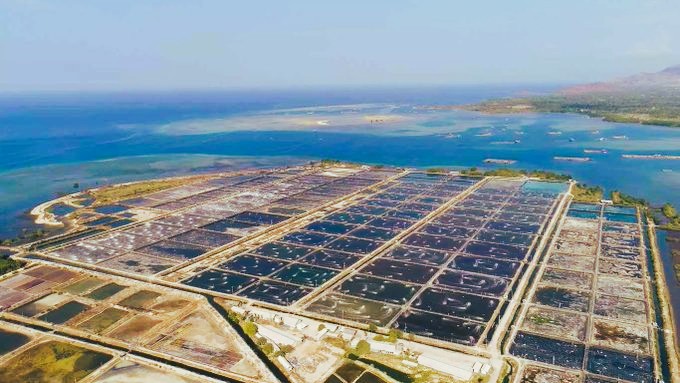
In the shimmering aquaculture ponds of Andhra Pradesh, millions of shrimp quietly power India’s $2.5 billion seafood export industry. Today, however, these crustaceans find themselves entangled in a global trade storm, threatening the livelihoods of thousands across India’s coastal heartland. The recent imposition of steep tariffs by the United States has severely disrupted the ecosystem, casting a long and uncertain shadow over one of India’s most successful export stories.

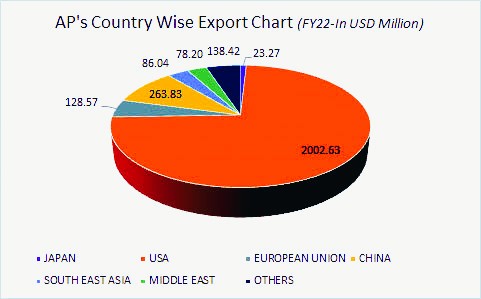
Indian shrimp exporters are now grappling with an effective duty rate nearing 27%, significantly higher than Ecuador’s 10%, and further compounded by a 5.77% countervailing duty. The impact has been immediate and severe. Storage units in production hubs like Bhimavaram are overflowing, while exporters hesitate to engage in fresh contracts amid unpredictable pricing and plummeting demand. For countless farmers, this tariff hike has shattered months of investment and raised existential questions about the sector’s future.
Complicating matters, the European Union’s non-tariff barriers—ranging from stringent antibiotic residue norms to complex traceability requirements—have eroded competitiveness further. In contrast, countries like Vietnam benefit from favourable trade agreements, such as near-zero duty access under their FTA with the EU. This double bind of regulatory and tariff-based disadvantages is choking India’s access to its two largest shrimp markets.
The consequences are already visible. Cold storage systems, once enablers of seamless trade, are becoming pressure points. Exporters remain in a state of limbo. The psychological strain on small and marginal farmers—many of whom rely solely on aquaculture—is becoming a silent crisis.
Yet, amidst this adversity, strategic pathways exist. India must immediately initiate high-level trade negotiations with the US, seeking relief on shrimp tariffs, potentially through reciprocal trade incentives in pharmaceuticals or agricultural commodities. Simultaneously, public diplomacy efforts—leveraging culinary influencers and global icons—can elevate the image of Indian shrimp in international markets and build consumer goodwill.
Equally important is diversification. Over 90% of India’s marine exports are shrimp, a risky overdependence. Expanding the export portfolio to include crabs, mussels, and tilapia would cushion volatility. Domestically, a parallel campaign to popularize shrimp consumption—through food festivals, recipe promotions, and retail partnerships—can stabilize internal demand and de-risk exports.
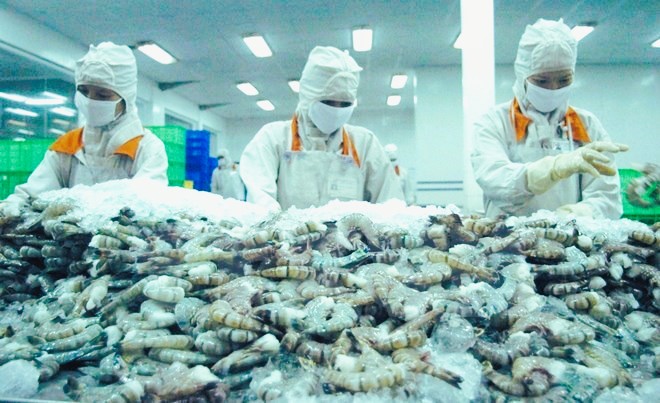
Modernizing infrastructure must also be a priority. The cold chain is under immense stress. Transitioning toward value-added products such as ready-to-cook and ready-to-eat formats can absorb excess inventory while opening new markets. Surplus stock can also be diverted to fishmeal production or processed near farms using decentralized hubs. Advanced traceability tools like blockchain should be adopted to meet EU compliance, enhancing transparency and export credibility.
India can learn from competitors like Ecuador, whose success stems from high-density farming, precision aquaculture, and low-cost efficiency. Similar technologies and practices must be introduced through government-backed capacity-building programs. Tailored insurance products, price stabilization funds, and financial risk-mitigation instruments can also provide a safety net for vulnerable stakeholders.
This is more than a trade issue—it is a moment of reckoning for India’s marine sector. With vision, innovation, and coordinated policy support, India can convert this crisis into an inflection point. The goal must not be limited to overcoming current challenges, but to establishing India as a global leader in sustainable, diversified, and value-enhanced aquaculture.
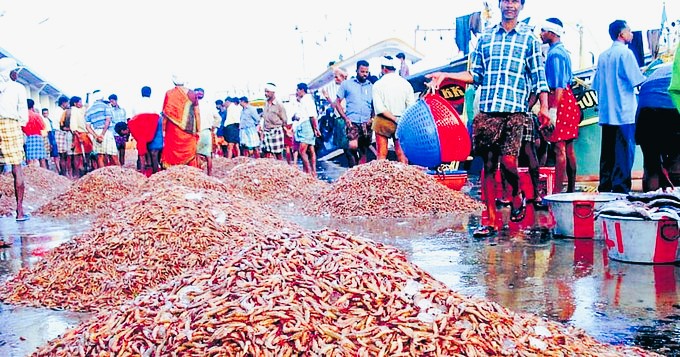
In the evolving global food economy, India’s shrimp—though small in size—carry immense strategic weight. With the right interventions, the present turmoil could indeed become a historic turning point rather than a cautionary tale.
Visit arjasrikanth.in for more insights
 SOCIAL PERSPECTIVES