
Trump’s Tariff Tsunami: America’s Egotistical Gamble on Global Trade and Its Consequences!
In a move that could only be described as a declaration of economic war, President Donald Trump has unleashed a staggering 27% tariff on imports from major trading partners, including India, sending shockwaves through the global economy. This bold proclamation, made from the Rose Garden, is framed by Trump as a “Liberation Day for American Trade Policy,” yet it raises significant questions about the ramifications of such an autocratic decision. While the President touts this as a victory for American workers and industries, the reality is that his actions threaten to destabilize not only foreign economies but also the very fabric of the American economy he claims to protect.
On April 2, 2025, Trump asserted that the United States would no longer tolerate foreign nations taking advantage of American labor. In his bid to reclaim what he perceives as America’s economic destiny, he positioned the tariffs as a way to bolster domestic manufacturing and shield American jobs from foreign competition. However, this simplistic view ignores the complex realities of global trade dynamics, where countries are interconnected in a delicate balance that has been cultivated over decades. By imposing such sweeping tariffs, Trump risks igniting a trade war that could have devastating consequences far beyond the borders of the United States.

The recent U.S. tariffs on a wide range of products, including shrimp and medical devices, threaten to disrupt supply chains and raise consumer prices. This unilateral trade strategy overlooks established global relationships and has prompted swift reactions from Canada and the European Union, which are preparing retaliatory measures, thereby escalating international tensions. In response to these tariffs, China announced a 34% tariff on U.S. imports, effective April 10, intensifying the trade conflict between the two largest economies. This move particularly impacts American farmers and the agriculture sector, emphasizing China’s reliance on U.S. goods. Amidst these tensions, China aims to present itself as a stable force in the global arena, seeking to counteract protectionist measures.
For India, the implications of Trump’s tariff strategy are particularly dire. With a substantial portion of its export economy tied to the U.S. market, the 27% levy poses a considerable threat to various sectors. Although it may seem that India is somewhat better positioned than nations like China and Vietnam, which face even higher tariffs, the reality is that the Indian economy is already grappling with challenges in boosting exports. The additional financial burden of these tariffs could push many businesses to the brink, exacerbating existing vulnerabilities and potentially leading to job losses.
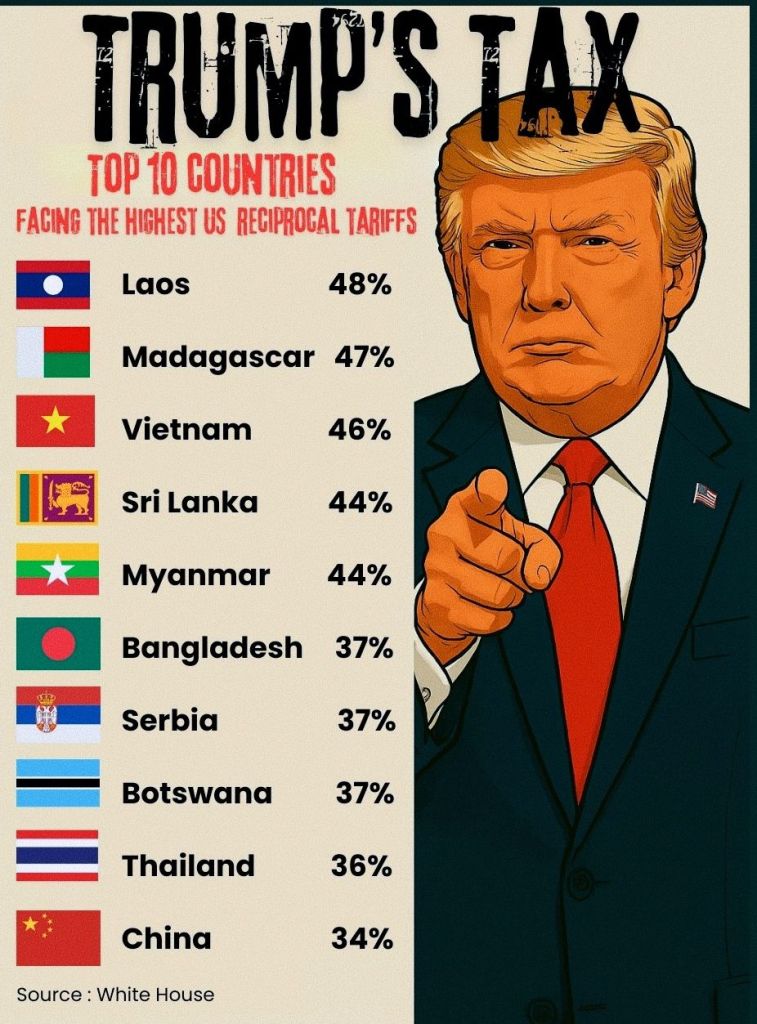
Moreover, Trump’s rhetoric about “unfair trade practices” lacks a solid foundation, often based on anecdotal evidence rather than comprehensive data. By framing the trade issue as a battle between American interests and foreign exploitation, he cultivates an environment ripe for protectionism. This approach, however, is reminiscent of historical missteps, such as the Smoot-Hawley Tariff Act of 1930, which raised tariffs and is widely regarded as a contributing factor to the Great Depression. Are we witnessing a repetition of this economic folly?
As Trump wields his tariff wand, he appears oblivious to the broader implications for global economic stability. The interconnected nature of modern economies means that tariffs imposed by the U.S. could trigger a domino effect, leading to stagnation and inflation in other countries. Ironically, while Trump seeks to protect American jobs, his policies may inadvertently harm the very people he aims to help. Rising prices and diminishing access to goods will erode the economic power of American consumers, undermining the notion of economic supremacy that Trump so fervently promotes.
The question arises: how long can this autocratic charade continue? As the global community watches with bated breath, it is essential to consider the broader narrative at play. Trump’s actions reflect a governance style that prioritizes nationalistic rhetoric over collaborative solutions, alienating traditional allies and undermining the principles of free trade that have driven economic growth for decades.
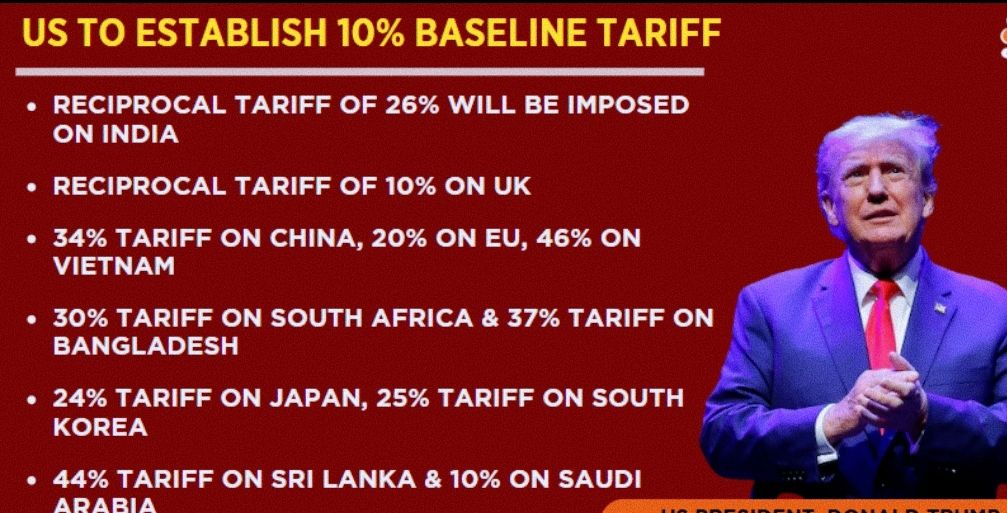
In the face of these challenges, the American public must confront the reality of their President’s decisions. Will they continue to support an administration that prioritizes bravado over sound economic policy? Or will they recognize the potential consequences of a trade war, not only for the global economy but for their own livelihoods as well?
These tariffs may be couched in terms of economic revival, but they risk unraveling the intricate tapestry of global trade that has been woven over the years. The world is watching, and as nations navigate this turbulent terrain, the stakes have never been higher. Will Trump’s gamble lead to a new era of economic prosperity for America, or will it plunge the country into a cycle of stagnation and inflation?
As we stand at this critical juncture, one thing is certain: the decisions made today will have lasting repercussions for generations to come. The autocratic tendencies displayed by Trump in pulling down the global economy in the name of American pride may ultimately backfire, causing more harm than good. The time has come for both the American people and the global community to recognize the perilous path ahead and demand a return to cooperation and mutual benefit in trade. The future of not just America, but the world economy, hangs in the balance, and the consequences of this economic tempest will be felt for years to come.
Visit arjasrikanth.in for more insights
 SOCIAL PERSPECTIVES
One response to “Trump’s Tariff Tornado: One Man’s Ego Threatens to Unravel the Global Economy!”
A compelling analysis highlighting the delicate interconnectedness of global trade and the risks of unilateral actions. The article effectively underscores the importance of cooperation, mutual respect, and thoughtful economic diplomacy in achieving sustainable prosperity. An insightful perspective at a critical juncture for the global economy.
LikeLike