RED LIGHT, DEAD RIGHT: INDIA’S AMBULANCE NIGHTMARE IS A TICKING TIME BOMB
India’s emergency medical services (EMS) are in absolute disarray, and the consequences are fatal. One in ten patients dies while being transported to the hospital. The country is witnessing a surge in heart attacks, reckless driving remains rampant, and yet, there is no national, round-the-clock toll-free ambulance service. The ambulance network is fragmented, unregulated, and largely unreliable. This is not just a healthcare crisis; it is a full-blown emergency requiring immediate and systemic intervention.
Ambulances in India function more as hearses than life-saving vehicles. The statistics paint a grim picture: 90% of road ambulances lack essential medical equipment, 95% are manned by untrained personnel, and 98.5% are primarily used for transporting the deceased rather than responding to medical emergencies. Out of the 17,495 ambulances in operation across the country, only 3,441 are Advanced Life Support (ALS) units, an alarming shortfall for a nation with a population exceeding 1.4 billion. The glaring disparity in emergency medical infrastructure between urban and rural areas further exacerbates the crisis.
The limited availability of well-equipped ambulances often forces desperate patients to rely on private service providers who operate without standard pricing regulations. In many instances, ambulance charges are arbitrarily set by drivers, leading to instances of exploitation where patients are overcharged in dire circumstances. In rural areas, where access to emergency medical transportation is minimal, countless lives are lost due to delays in reaching healthcare facilities. Without a structured, accountable system in place, the fundamental purpose of ambulances is being defeated.
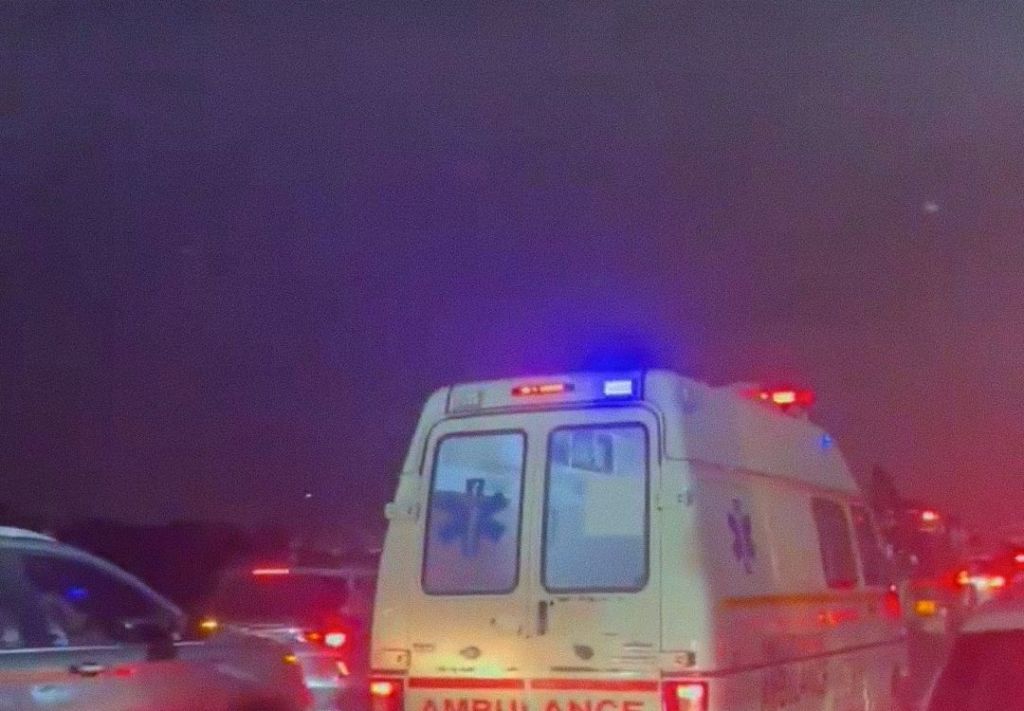
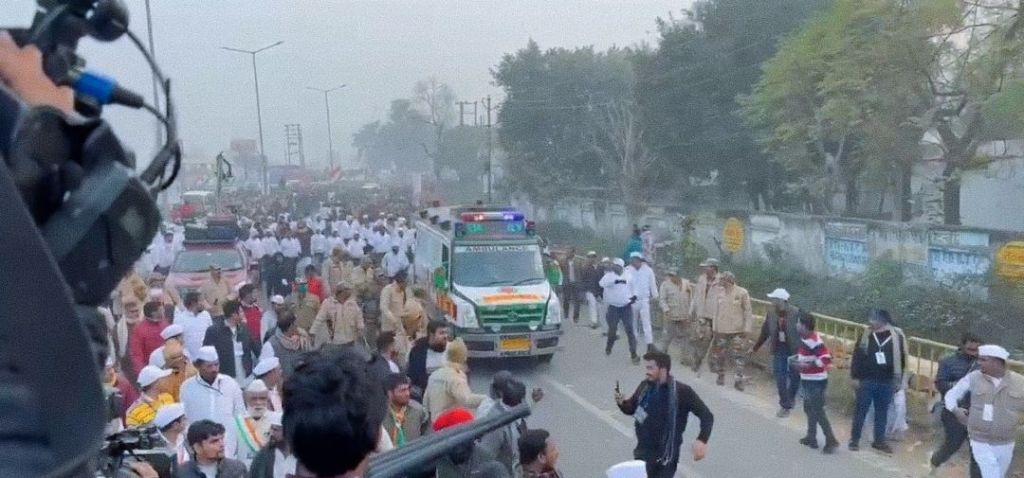
Beyond accessibility and regulation, the lack of efficient emergency transport infrastructure has dire consequences. India’s traffic congestion is a death sentence for those requiring urgent medical care. Roads are perennially choked with encroachments, unregulated traffic, and a general disregard for emergency vehicles. Unlike in developed nations where ambulances are given the right of way, in India, they often remain stuck in gridlock. A patient experiencing a cardiac arrest has mere minutes before irreversible damage sets in, yet in India, those critical minutes are squandered navigating chaotic streets.
The COVID-19 pandemic exposed the vulnerabilities of India’s EMS. Patients died inside ambulances while waiting for hospital beds. Emergency response teams collapsed under pressure, unable to handle the surge of cases. Rather than addressing these systemic failures post-pandemic, authorities have allowed the inefficiencies to persist, resulting in avoidable daily tragedies. The inability to enact meaningful reform has turned what should be a life-saving system into a broken framework that fails those who need it most.

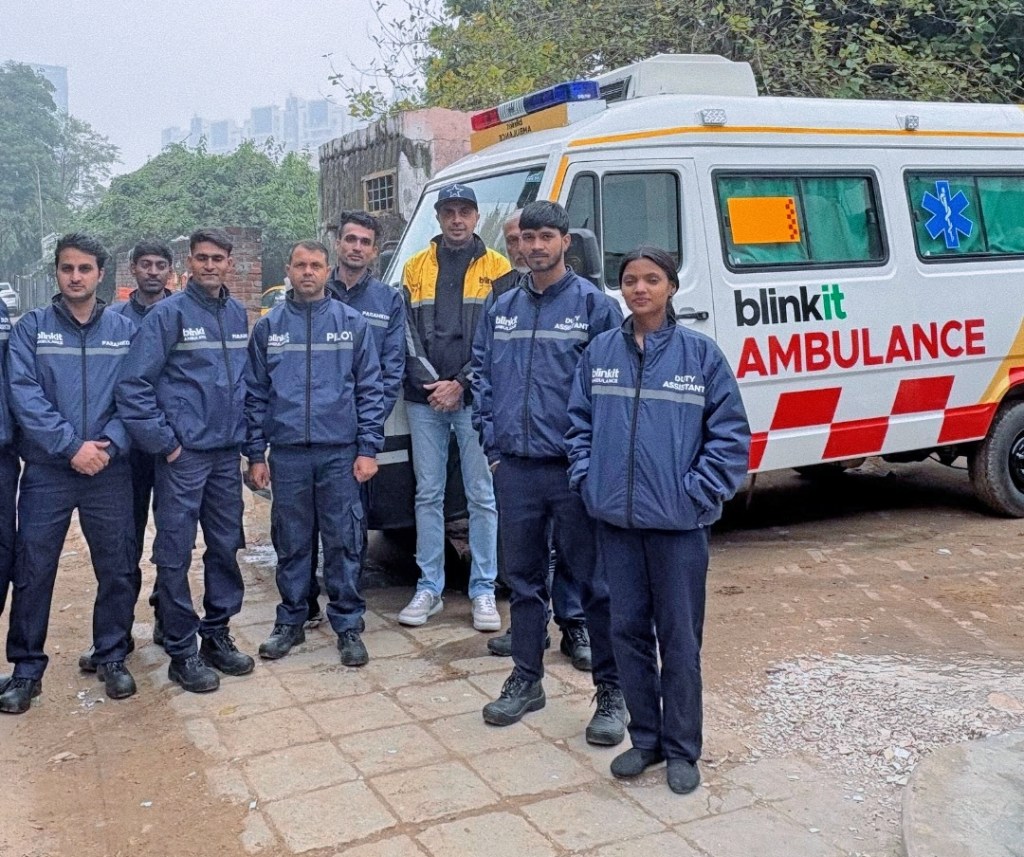
While some innovations in emergency services have emerged, they remain limited in scope and scalability. Initiatives like Blinkit’s 10-minute ambulance service provide rapid response times but are largely confined to urban centers, leaving vast rural populations without adequate coverage. Some state governments have introduced bike ambulances and telemedicine-equipped emergency vehicles, yet these efforts lack the national coordination required to be truly effective. Even government-run toll-free ambulance services, which theoretically provide emergency response across states, are riddled with operational inefficiencies, with reports of ambulances lacking essential medical supplies or prioritizing patient transfers between hospitals over responding to critical emergencies. The concentration of advanced healthcare facilities in only 15 major cities further complicates inter-state medical transportation, leaving those in tier-2 and tier-3 cities at a severe disadvantage.
Addressing India’s EMS crisis requires a multi-pronged approach that focuses on systemic reforms, infrastructure development, and policy enforcement. One of the first steps should be the establishment of a nationwide toll-free emergency ambulance number that ensures a uniform response protocol across all states. The absence of such a service creates inconsistencies in emergency response times and efficiency. A centralized helpline would streamline ambulance dispatch, ensuring prompt and coordinated responses to critical cases.
The creation of Cluster Ambulance Centers under a Public-Private Partnership (PPP) model is another critical reform. By leveraging private sector efficiency and government oversight, these hubs can enhance service quality while maintaining affordability. Private ambulance services must also be strictly regulated to ensure compliance with standardized medical and operational guidelines. Mandatory licensing, staff training, and pricing regulations would curb the current exploitation of patients and guarantee a baseline level of service quality.

Training and certification of EMS personnel must be made compulsory. Ambulance staff should be trained in basic and advanced life support procedures, ensuring that medical intervention begins from the moment a patient enters an ambulance, rather than only upon reaching a hospital. A lack of trained professionals diminishes the potential for successful patient stabilization during transport, rendering ambulances ineffective as emergency medical units.
The government must also invest in expanding rural EMS infrastructure. Emergency response units must be made available in tier-2 and tier-3 cities, with dedicated funding for inter-district medical transport services. The implementation of smart traffic management systems, including designated ambulance lanes and GPS tracking for real-time route clearance, would significantly reduce transit delays. Strict penalties should be enforced for obstructing emergency vehicles, coupled with widespread public awareness campaigns to educate drivers and pedestrians on the importance of yielding to ambulances.
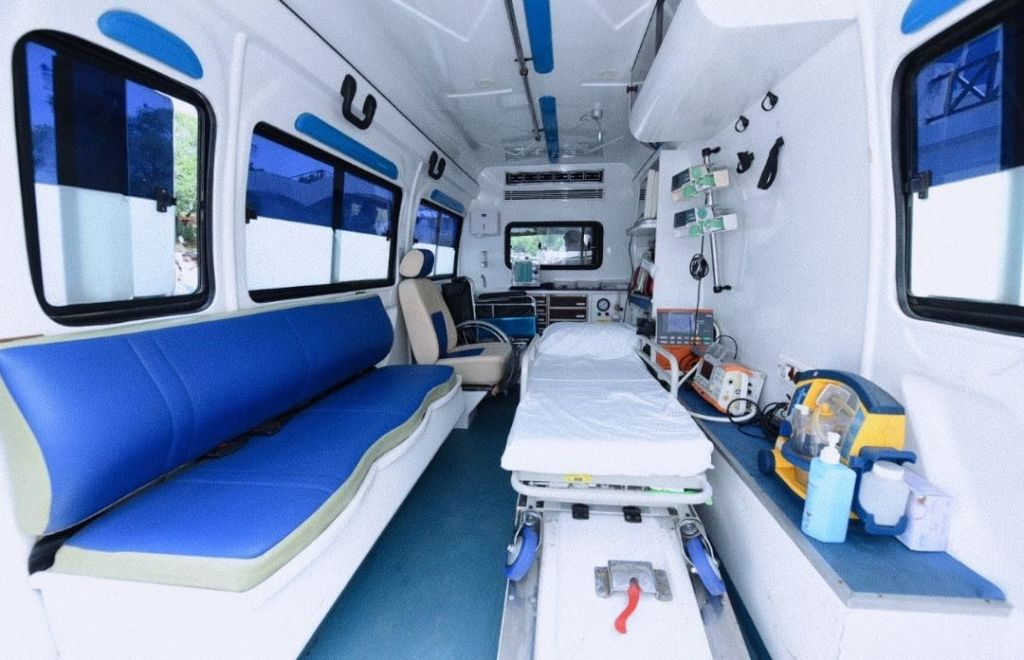
The integration of telemedicine and AI-driven triage systems can further revolutionize emergency response. By equipping ambulances with telemedicine services, doctors can guide paramedics in stabilizing patients en route, significantly improving survival rates. AI-based systems could assist in prioritizing emergency calls based on severity, ensuring that resources are allocated efficiently.
India’s EMS market is projected to reach $1.92 billion by 2030, but unless governance failures are addressed, the funds will be squandered on fragmented and inefficient services. The current trajectory will only perpetuate a cycle of inadequate care, exploitation, and preventable deaths. Without meaningful reform, the ambulance industry will remain a lawless sector where private operators profit from human suffering, and government-run services continue to falter under bureaucratic inefficiencies.
This is not just about improving logistics or introducing new technologies; it is about recognizing that every delay, every inefficiency, and every oversight costs lives. The choice is stark—India can either take decisive action to fix its broken EMS or continue to count the dead. The clock is ticking, and with every passing second, another life is lost.
Visit arjasrikanth.in for more insights
 SOCIAL PERSPECTIVES