
From Battlefronts to National Pilgrimage—Redefining Patriotism, Tourism, and India’s Strategic Vision
In a move that is as audacious as it is visionary, Prime Minister Narendra Modi has unveiled the Bharat Ran Bhoomi Darshan initiative—a ground-breaking endeavour that opens India’s most sensitive battlefronts and border regions to domestic tourists. This initiative not only celebrates the indomitable spirit of the Indian Armed Forces but also aims to redefine tourism by allowing civilians to witness firsthand the sacrifices, endurance, and unwavering patriotism of soldiers stationed in the most extreme conditions. From the bone-chilling -60°C of Siachen to the furnace-like +50°C of the Thar desert, Bharat Ran Bhoomi Darshan is an ode to the valor that safeguards the nation’s frontiers.
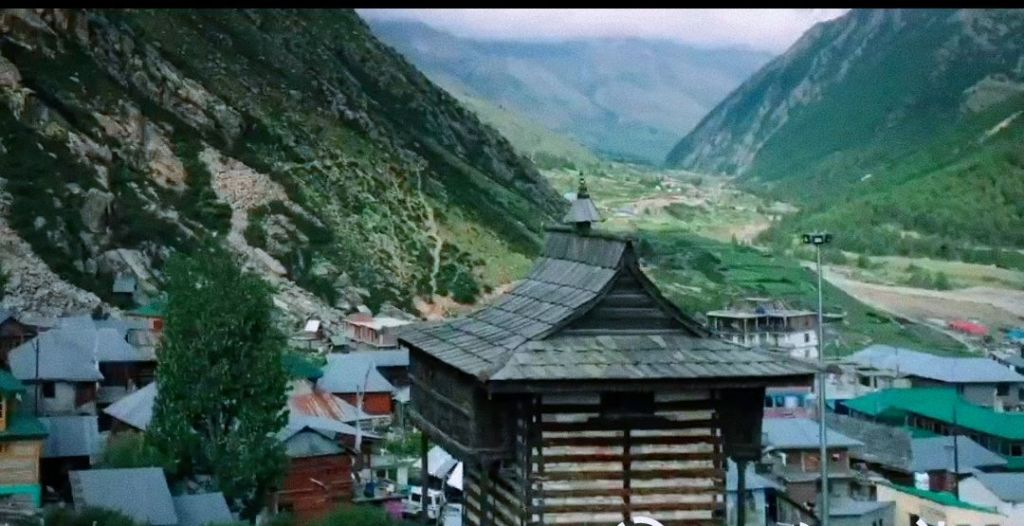
This initiative, launched in collaboration between the Ministry of Defence and the Ministry of Tourism, marks a significant leap in India’s approach to tourism, national pride, and strategic awareness. By inviting civilians to visit historically and militarily significant locations—many of which have been closed off to the public for decades—it bridges the emotional and intellectual disconnect between the ordinary citizen and the sentinels of the nation. It is not just about tourism; it is about national integration, fostering respect for the armed forces, and transforming previously inaccessible regions into thriving economic hubs.
The inclusion of sites such as Galwan Valley, Rezang La, Longewala, and Tawang into the tourism circuit underscores a remarkable shift in India’s border policies. These locations, once synonymous with high-stakes military engagements, are being envisioned as symbols of resilience and national pride. By bringing citizens closer to the nation’s frontlines, the government is encouraging a deep-seated appreciation for the sacrifices made by the armed forces while simultaneously boosting economic prospects in these remote regions.
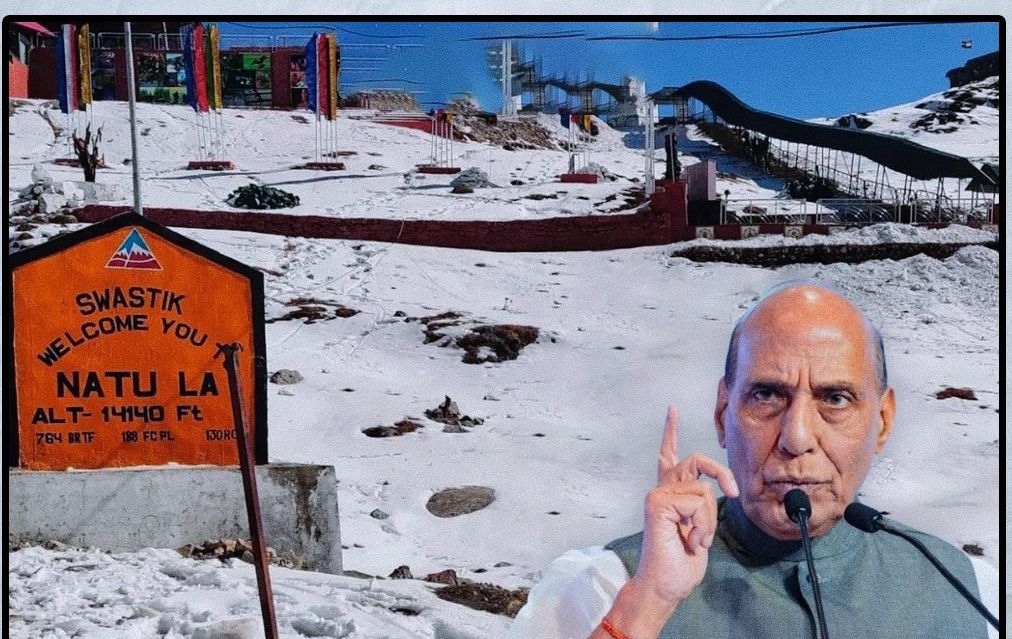
However, Bharat Ran Bhoomi Darshan is not merely about looking back at history; it is also a strategic move that paves the way for a more engaged and informed citizenry. The initiative acts as a counter-narrative to the fear and uncertainty associated with border areas, fostering a sentiment of ownership among civilians. When people visit the borders, understand the daily lives of soldiers, and witness the challenges faced in safeguarding the nation, they return not just as tourists but as ambassadors of national unity.
The implications of this initiative stretch beyond domestic tourism. It could potentially lay the foundation for cross-border cultural exchanges in the future. While political tensions remain, a day may come when tourists from neighboring countries, including Pakistan and China, might pay homage to the bravery displayed on these frontlines. The idea of mutual respect and admiration, though ambitious, is not beyond the realm of possibility. The opening of these borders to tourists could be the first step towards building diplomatic bridges through people-to-people interactions.
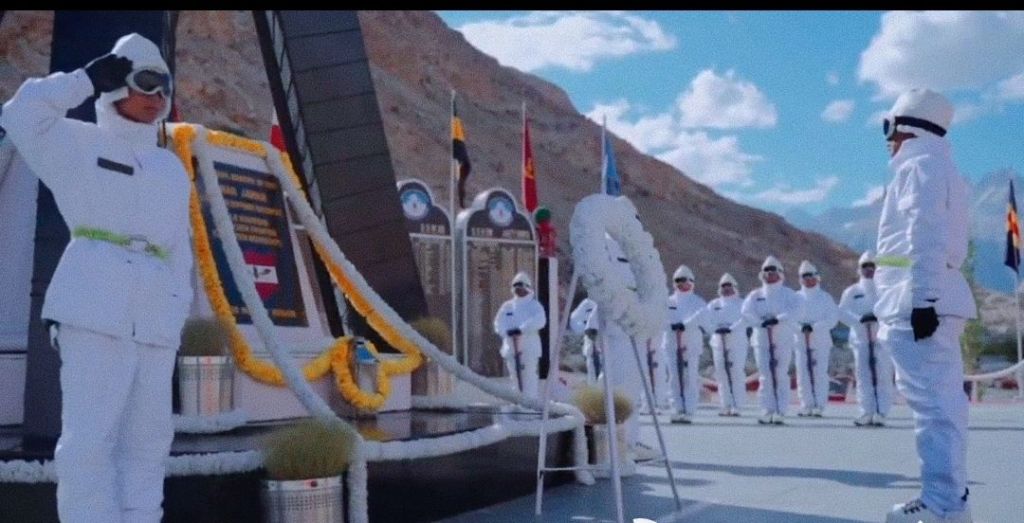
Moreover, this initiative aligns seamlessly with India’s broader geopolitical strategy. By developing infrastructure in these border regions, the government is not only facilitating tourism but also reinforcing India’s territorial presence. Improved roads, better communication networks, and enhanced civic amenities will serve both civilian tourists and the military personnel stationed there. A thriving economy in border areas acts as a deterrent against external encroachments while also ensuring a robust local support system for the armed forces.
Critics may argue that allowing civilians into politically sensitive zones could pose security challenges. However, with controlled access, stringent permits, and guided tours conducted under military supervision, these concerns can be effectively managed. The initiative is designed to be more than just an open invitation to sensitive areas; it is a well-thought-out plan that ensures the safety of tourists while preserving the strategic sanctity of the locations.
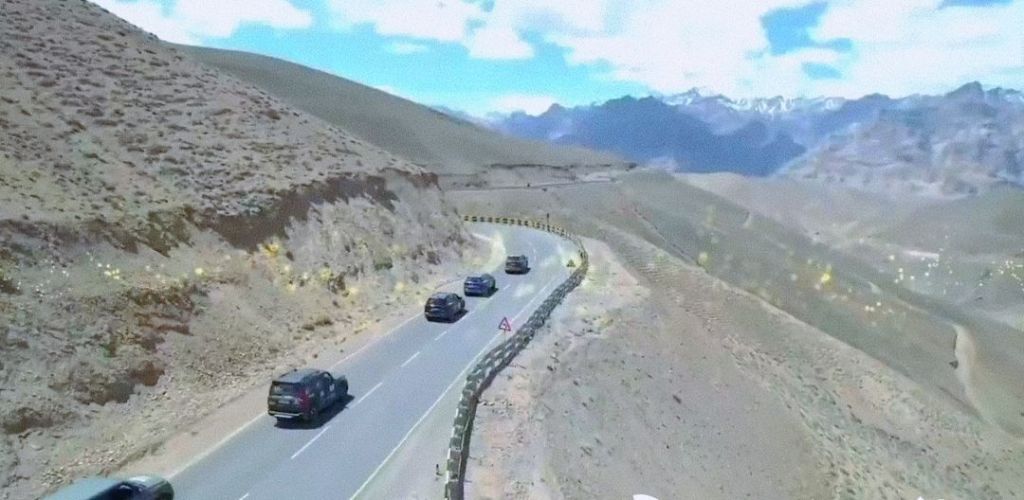
The economic ramifications of this project are also worth noting. For decades, border villages and remote military outposts have remained underdeveloped due to their perceived vulnerability. By promoting tourism, the initiative injects new life into these regions, creating employment opportunities and stimulating local businesses. Hotels, homestays, transportation services, and local crafts will flourish, providing sustainable livelihoods for residents who have long faced economic hardships.
Furthermore, the psychological impact of this initiative cannot be ignored. For generations, the Indian public has viewed the borders primarily through the lens of conflict. Bharat Ran Bhoomi Darshan offers a paradigm shift—one where the borders are no longer just lines of division but spaces of reverence, historical significance, and national inspiration. It allows the average citizen to move beyond media narratives and experience the reality of life at the nation’s edge.
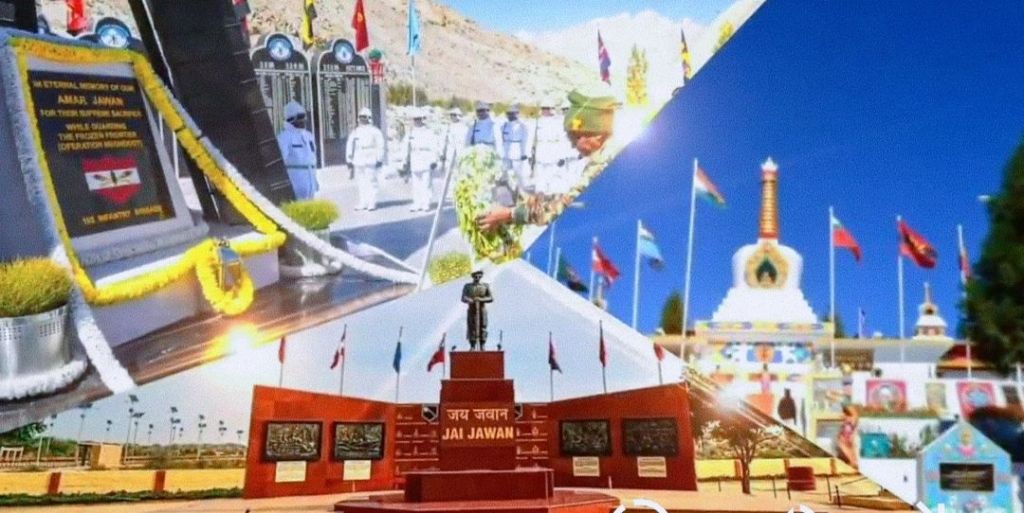
Perhaps the most profound aspect of this initiative is its potential to rekindle a spirit of nationalism that is rooted not in rhetoric but in first-hand experience. Imagine young students standing at Kargil, listening to the tales of the 1999 war, or families visiting Tawang to understand the strategic importance of Arunachal Pradesh. These experiences create a sense of belonging that no textbook or documentary can replicate. They cultivate a generation that does not take its security for granted but understands the price of sovereignty.
Bharat Ran Bhoomi Darshan is not just a tourism initiative—it is a movement. A movement that celebrates sacrifice, fosters economic growth, challenges traditional perceptions of borders, and ultimately redefines the relationship between the citizen and the soldier. By turning battlefields into places of pilgrimage and frontline stations into monuments of resilience, this initiative ensures that the stories of India’s bravest continue to inspire generations to come.
As the first civilian visitors step into these hallowed grounds, they do so not just as tourists but as torchbearers of a legacy that demands to be remembered. The question is no longer whether Bharat Ran Bhoomi Darshan will succeed—it is how profoundly it will reshape the nation’s consciousness. In opening the gates of India’s battlefronts, we are not just inviting people to witness history; we are inviting them to be a part of it.
Visit arjasrikanth.in for more insights
 SOCIAL PERSPECTIVES
One response to “Bharat Ran Bhoomi Darshan: Where Borders Breathe, and Legends Live”
Sir, its a truly visionary initiative that transforms India’s borders from symbols of conflict into powerful narratives of courage, unity, and national pride. Bharat Ran Bhoomi Darshan is not just redefining tourism—it’s fostering a deeper emotional connection between citizens and the armed forces. By blending patriotism with development, this movement is set to leave a lasting impact on India’s collective consciousness. A remarkable stride toward a more engaged, inspired, and united nation.
LikeLike