
As Elections Loom, Will Voters Choose Cultural Identity Over the Call for Progress, or Will They Demand a Harmonious Future Built on Development?*
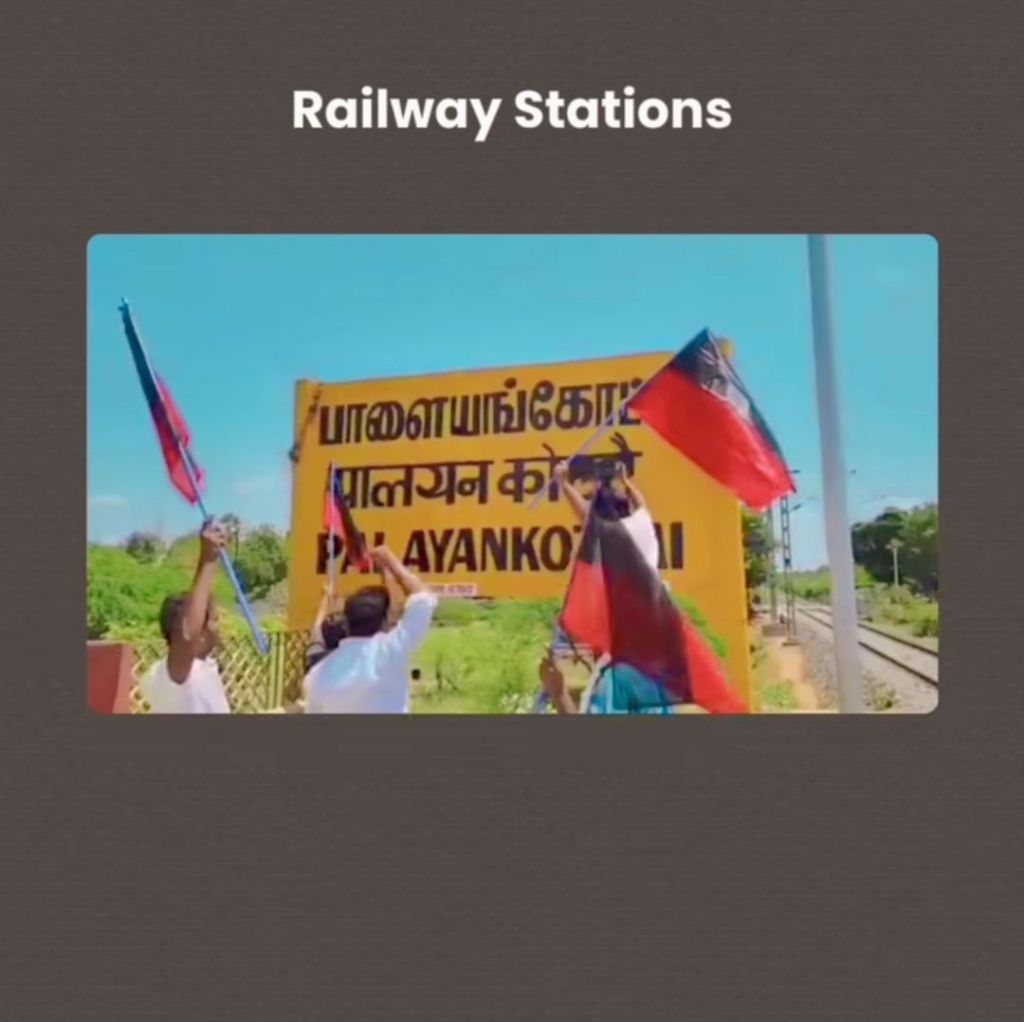
As Tamil Nadu gears up for the upcoming assembly elections, the political landscape is witnessing a profound transformation. Political parties are increasingly turning to emotional and cultural narratives to sway public sentiment, recognizing the potency of linguistic and regional identity in electoral politics. In this intricate mosaic of India’s linguistic diversity, the debate surrounding the three-language formula proposed by the National Education Policy (NEP) has ignited intense discussions. Tamil Nadu, a state with a strong legacy of linguistic pride and resistance to Hindi imposition, finds itself at the center of this contentious debate. The discourse highlights a delicate balance between national policy and regional aspirations, as political entities strategically leverage linguistic sentiments to garner electoral support. However, the evolving political climate suggests that the electorate is increasingly prioritizing tangible developmental issues over rhetoric, signaling a broader desire for substantive governance.

Historically, Tamil Nadu has maintained a firm opposition to the imposition of Hindi, favoring a two-language policy that prioritizes Tamil and English. This long-standing stance has not only shaped the state’s educational framework but also reinforced a strong regional identity deeply rooted in its Dravidian heritage. Tamil Nadu’s resistance to Hindi imposition is more than just a political stance; it is an assertion of cultural sovereignty. However, as electoral dynamics shift, political actors have begun to exploit linguistic sentiments, raising concerns about whether such narratives genuinely reflect the state’s interests or are merely political tools for electoral gains. A growing concern among political observers is the central government’s strategy of linking state funding to compliance with the three-language policy, a move that many consider unconstitutional and an infringement on federal principles.

The broader discourse on language policy raises critical questions about India’s federal structure and the necessity of respecting regional identities. The fundamental question remains: should individuals in non-Hindi-speaking regions be compelled to learn Hindi? Many argue that such imposition fosters resentment among local populations, particularly in Tamil Nadu, where linguistic pride is deeply tied to cultural identity. Critics contend that enforcing Hindi through the three-language formula disregards local sentiments, reinforcing perceptions of linguistic imperialism. This, in turn, fuels further opposition to central policies perceived as encroachments on regional autonomy.
The practicality of the three-language formula warrants significant scrutiny. Mandating Hindi as a third language in Tamil Nadu ignores the realities of the state’s linguistic demographics and imposes unnecessary burdens on students, particularly those from first-generation learning backgrounds. Tamil Nadu’s educational framework already faces numerous challenges, and introducing a language that does not resonate with students’ cultural identities can heighten academic stress and resistance to learning. Education experts argue that rather than a uniform language policy, a more flexible, localized approach could better address the state’s unique educational needs.

Moreover, the logistical implications of implementing a three-language system pose substantial challenges. Ensuring adequate infrastructure, recruiting qualified teachers, and allocating financial resources for Hindi education would strain Tamil Nadu’s educational system. Many schools in the state already struggle with teacher shortages and resource allocation. A forced three-language system may divert resources from core subjects, potentially compromising overall educational quality. Furthermore, imposing Hindi may not necessarily provide economic or social advantages for students in Tamil Nadu, where English proficiency is already considered a gateway to national and global opportunities.
The historical context of language education in India adds another layer of complexity to this debate. The three-language formula is not a new concept; it has its roots in previous educational policies that have often faltered due to political and practical challenges. The increasing recognition of linguistic autonomy underscores the importance of allowing states to determine their own language policies. A decentralized approach, where states select additional languages based on their socio-cultural and economic contexts, could promote a more harmonious educational environment while preventing the marginalization of regional languages like Tamil.
Amidst this debate, the Tamil Nadu government has reaffirmed its commitment to preserving linguistic and cultural identity. A notable example is the unveiling of a new logo for the State Budget for 2025-26, which replaces the traditional Indian currency symbol with a Tamil character representing the local currency. This move, symbolizing the state’s cultural pride, underscores the ongoing friction between the Tamil Nadu government and the central administration regarding language policies. However, this decision has sparked controversy, with critics arguing that modifying national symbols undermines the idea of unity and shared identity, exacerbating existing tensions between state and central policies.
As Tamil Nadu navigates this complex terrain, the electorate remains focused on developmental issues, economic progress, and effective governance rather than emotional rhetoric. Voters today are increasingly discerning, recognizing that emotional appeals must translate into concrete policies that address real challenges such as employment opportunities, infrastructure development, and social welfare. The electorate’s shift towards issue-based voting suggests a maturing democratic consciousness that values pragmatic solutions over historical grievances.
The ongoing debate surrounding the three-language formula and recent initiatives by the Tamil Nadu government mark a defining moment in the state’s political landscape. With elections on the horizon, language, identity, and the relationship between state and central policies will play crucial roles in shaping political discourse. The key question facing the electorate is whether they will prioritize development and progress over emotional narratives rooted in linguistic identity.

In conclusion, Tamil Nadu stands at a critical juncture where language, identity, and governance intersect. The upcoming elections will serve as a litmus test for the relevance of emotional appeals versus developmental priorities. India’s strength lies in its diversity, and fostering a dialogue that embraces linguistic plurality while respecting regional identities will be vital in shaping a more inclusive and equitable society. The next year will be pivotal for Tamil Nadu, as the balance between cultural identity and progressive governance will determine the state’s trajectory. The electorate’s choices will not only shape the immediate political landscape but also set a precedent for how linguistic and cultural identities are negotiated in an evolving India.
visit arjasrikanth.in for more insights
 SOCIAL PERSPECTIVES
One response to “Language or Leverage: The Clash of Tongues Turning Tamil Nadu’s Political Landscape Upside Down!”
Arja Srikanth garu,
Sir, this is a very insightful article. I appreciate the balanced view and thorough analysis of the complex issues. Well done!
Best regards,
Ramakrishna Gullapalli
LikeLike